
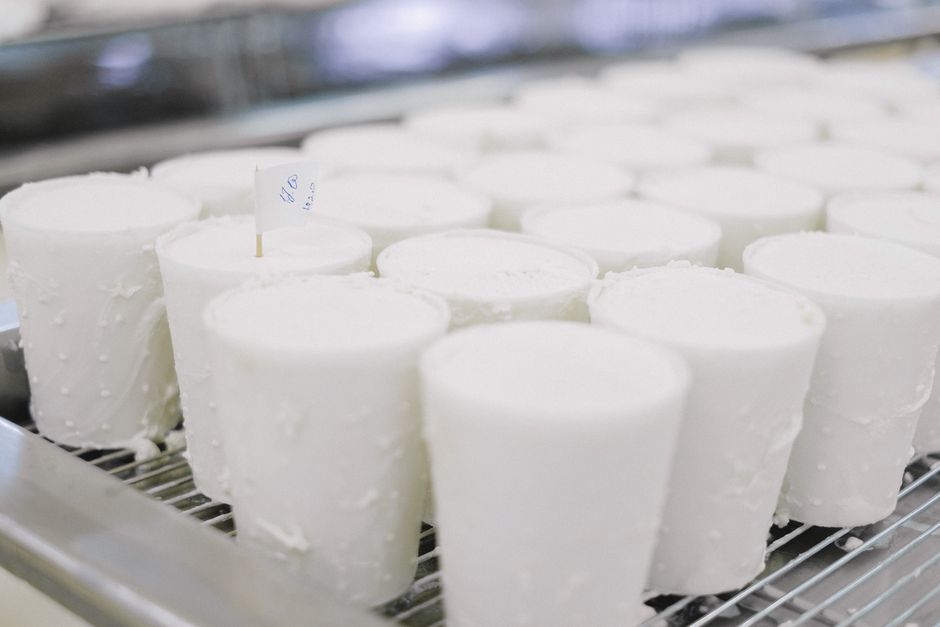
If you are pregnant or have a weakened immune system, the question of whether feta cheese is pasteurized is not a casual food fact—it is a health and safety decision. The short answer is that feta cheese can be made from either pasteurized or unpasteurized (raw) milk, and the label is the only reliable way to know which one you are holding. In the United States, commercially produced feta sold in standard grocery stores is almost always pasteurized, but imported varieties and those sold at farmers’ markets may not be. Because unpasteurized soft cheeses carry a real risk of listeria infection, knowing how to read the label and understand the risks is essential.
What Does Pasteurized Mean for Feta Cheese?
Pasteurization is a heat treatment that kills harmful bacteria in milk. The process heats milk to a specific temperature for a set amount of time to destroy pathogens like Listeria, Salmonella, and E. coli. For feta cheese, pasteurization happens before the cheesemaking process begins. The milk is heated, then cultured, and then formed into the crumbly, tangy cheese you recognize.
When feta is made from pasteurized milk, the risk of foodborne illness drops dramatically. The heat treatment does not change the taste or texture of the final cheese in a way most people can detect. In the United States, the Food and Drug Administration (FDA) requires that any cheese made from unpasteurized milk be aged for at least 60 days. The problem with feta is that it is a fresh cheese—it is not aged for 60 days. This means that any feta made from raw milk in the U.S. is technically violating federal aging requirements, which is why nearly all domestic feta is pasteurized.
Is All Feta Cheese in the U.S. Pasteurized?
No, not all feta in the U.S. is pasteurized, but the vast majority is. The 60-day aging rule effectively bans fresh raw-milk cheeses like feta from being produced domestically. However, imported feta is a different story. Some European countries, particularly Greece, produce traditional feta from raw sheep’s or goat’s milk. These products can be legally imported into the U.S. if they meet certain labeling standards, and they may not be pasteurized.
This creates a situation where the feta you buy at a big-box supermarket is almost certainly pasteurized, but the feta you buy at a specialty import store or an upscale farmers’ market might not be. The label is the only way to know for sure. If the label says “pasteurized,” you are safe. If it says “raw” or “unpasteurized,” you are holding a product with a different risk profile.
Why Does Unpasteurized Feta Pose a Risk?
The primary concern with unpasteurized feta is a bacterium called Listeria monocytogenes. Listeria is unusual because it can grow at refrigerator temperatures, which means chilling the cheese does not make it safe. For most healthy adults, a listeria infection causes mild flu-like symptoms that resolve on their own. But for pregnant women, the elderly, and people with compromised immune systems, listeria can cause severe illness, miscarriage, stillbirth, or premature delivery.
This is not a theoretical risk. Public health agencies have documented outbreaks of listeriosis linked to soft cheeses made from unpasteurized milk. The CDC and FDA both advise pregnant women to avoid unpasteurized soft cheeses entirely. The advice is clear and consistent: if you are in a high-risk group, you should only eat feta that is explicitly labeled as pasteurized.





How Can You Tell If Feta Is Pasteurized?
Reading the label is the only reliable method. Look for the word “pasteurized” in the ingredients list or on the front of the package. In the U.S., federal law requires that any cheese made from unpasteurized milk be clearly labeled with the word “unpasteurized” or “raw.” If you see neither word, the cheese is almost certainly pasteurized, but if you are in a high-risk group, you should not guess.
Buying feta from a deli counter adds another layer of complexity. The cheese may be cut from a larger block that has a label, but the deli worker may not have that label readily available. Ask to see the original packaging or the label before purchasing. If the staff cannot show you the label, choose a different product. When dining out, ask your server whether the feta used in the kitchen is pasteurized. Many restaurants cannot answer this question, and if they cannot confirm it, it is reasonable to skip the feta if you are at higher risk.
What Is the Difference Between Feta and Other Soft Cheeses?
Feta is often grouped with other soft cheeses like queso fresco, Brie, and Camembert when discussing pasteurization risks. The concern is similar across these cheeses because they are all fresh or soft-ripened and can support bacterial growth. However, feta has one advantage: it is stored in brine, which is a salty solution that inhibits some bacterial growth. This does not make raw-milk feta safe, but it does mean the risk profile is slightly different from a bloomy-rind cheese like Brie.
It is also worth clarifying what feta is not. True feta is made from sheep’s milk or a mixture of sheep’s and goat’s milk. Many products sold as “feta” in the U.S. are made from cow’s milk. The pasteurization question applies equally to all of them, but if you are seeking authentic Greek feta, you should check whether it is imported and whether it is pasteurized.
Is Feta Cheese Pasteurized in Other Countries?
Outside the U.S., the rules are different. In the European Union, raw-milk cheeses are legal and widely consumed. Traditional Greek feta, which has Protected Designation of Origin (PDO) status, is often made from raw sheep’s milk. Many Europeans eat this cheese regularly without issue because their immune systems have been exposed to a wider range of microbes, and national food safety standards are robust. But the U.S. regulatory framework treats raw-milk soft cheeses differently, and the FDA’s position is clear: unpasteurized soft cheeses are not recommended for high-risk individuals.
If you are traveling abroad and buying feta from a local market, you should assume it may be unpasteurized unless the label says otherwise. The same advice applies: if you are pregnant or immunocompromised, choose pasteurized options regardless of where you are buying the cheese.
Can You Cook Unpasteurized Feta to Make It Safe?
Heating unpasteurized feta to a high enough temperature will kill Listeria and other pathogens. The FDA recommends heating soft cheeses to an internal temperature of 165°F (74°C) to ensure safety. If you are cooking a dish like spanakopita or a baked pasta that contains feta, the cheese will typically reach this temperature during baking. However, this only works if the cheese is fully incorporated into the dish and heated throughout. Sprinkling raw feta on top of a finished salad or pizza after cooking does not make it safe.
If you are in a high-risk group, the safest approach is to avoid unpasteurized feta entirely rather than relying on cooking. It is easy to misjudge internal temperatures, and the consequences of a listeria infection during pregnancy are severe enough that the risk is not worth taking.
What Should You Do If You Accidentally Ate Unpasteurized Feta?
If you are healthy and not pregnant, eating unpasteurized feta once is unlikely to cause serious harm. Your digestive system will likely handle it without any symptoms. If you are pregnant or immunocompromised, contact your healthcare provider. They may recommend monitoring for symptoms or, in some cases, prophylactic treatment. Do not panic—most exposures do not result in infection—but do take it seriously and inform your doctor.
Symptoms of listeriosis can take up to two months to appear after exposure. They include fever, muscle aches, nausea, and diarrhea. In pregnant women, the symptoms may be mild, but the infection can still affect the fetus. If you develop any of these symptoms after eating unpasteurized feta, seek medical attention promptly and mention the cheese exposure to your provider.
Frequently Asked Questions
Can I eat feta cheese while pregnant?
Yes, but only if the feta is made from pasteurized milk. Unpasteurized feta carries a risk of listeria infection, which can be dangerous during pregnancy.
How do I know if feta cheese is pasteurized?
Check the label for the word “pasteurized.” If the label says “raw” or “unpasteurized,” avoid it if you are in a high-risk group.
Is Greek feta pasteurized?
Not always. Traditional Greek feta is often made from raw sheep’s milk, so you must check the label on imported products.
Does cooking feta cheese kill listeria?
Heating feta to an internal temperature of 165°F (74°C) will kill listeria. But sprinkling raw feta on a finished dish does not make it safe.
