
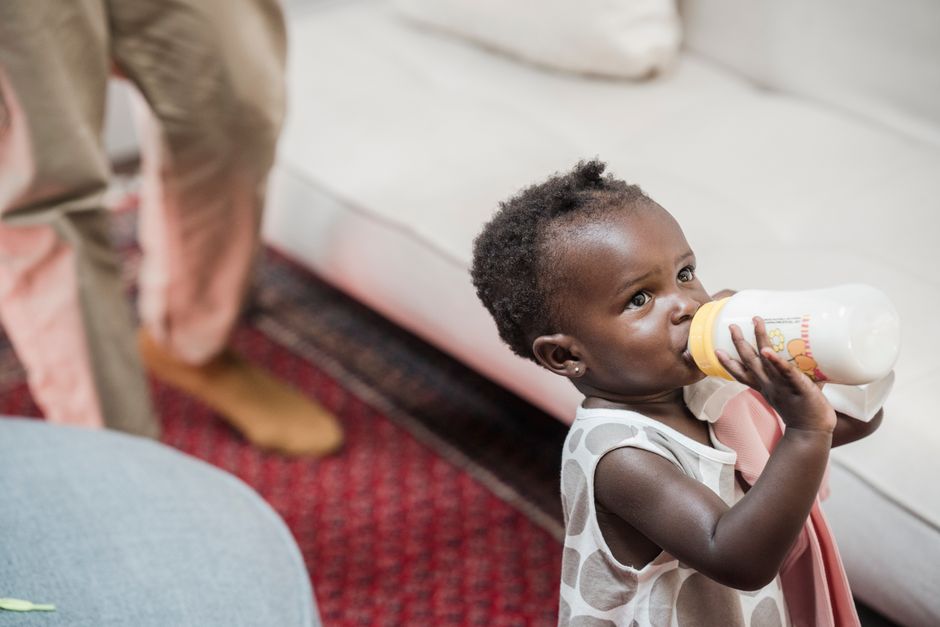
Drinking raw milk is not safe because it can carry harmful bacteria that cause serious illness. Unlike pasteurized milk, raw milk skips the heating step that kills pathogens like Salmonella, E. coli, and Listeria. The risk applies to everyone, but it is highest for children, pregnant women, older adults, and people with weakened immune systems.
What Is Raw Milk and How Is It Different?
Raw milk is milk that has not been pasteurized. Pasteurization heats milk to a specific temperature for a set time to kill harmful germs. Most milk sold in grocery stores is pasteurized.
Raw milk can come from cows, goats, sheep, or other animals. Some people buy it directly from farms, at farmers markets, or through cow-share programs. It is also used to make raw cheese, yogurt, and other dairy products.
The key difference is safety. Pasteurization does not change the nutritional value of milk in any meaningful way, but it does make the milk safer to drink.
What Are the Health Risks of Drinking Raw Milk?
The main risk is bacterial infection. Raw milk can contain germs that cause foodborne illness. These include:
- Salmonella — causes diarrhea, fever, and stomach cramps
- E. coli — some strains cause severe bloody diarrhea and kidney damage
- Listeria — particularly dangerous for pregnant women and can cause miscarriage
- Campylobacter — a common cause of diarrhea and abdominal pain
These bacteria can get into milk from the animal’s udder, from manure, or from dirty equipment. A healthy-looking animal can still carry these germs. Clean milking practices reduce the risk, but they do not eliminate it.
Illness from raw milk can range from mild stomach upset to hospitalization. In rare cases, infections can be life-threatening. Children are especially vulnerable because their immune systems are still developing.
Is Raw Milk More Nutritious Than Pasteurized Milk?
No. Studies have not found meaningful nutritional differences between raw and pasteurized milk. Both provide similar amounts of protein, calcium, vitamin D, and other nutrients.
Pasteurization slightly reduces some heat-sensitive vitamins like vitamin C, but milk is not a major source of vitamin C anyway. The loss is not significant for human health.
Some people claim raw milk contains beneficial enzymes and probiotics that pasteurization destroys. The evidence for this is limited. Milk naturally contains some enzymes, but there is no clinical evidence that these provide health benefits when consumed. Probiotic bacteria in raw milk do not survive digestion well enough to meaningfully affect gut health.





Who Is Most at Risk From Raw Milk?
Certain groups face higher risk of serious complications from raw milk infections:
- Children under 5 — higher risk of severe dehydration and complications
- Pregnant women — Listeria infection can harm the fetus
- Older adults — immune function declines with age
- People with weakened immune systems — including those on chemotherapy, organ transplant recipients, and people with chronic illnesses
For these groups, the CDC and other health authorities advise against consuming raw milk in any form. Even a small sip can cause illness.
Healthy adults can also get sick from raw milk. The infection risk is not limited to vulnerable populations. The difference is that healthy adults are more likely to recover without hospitalization.
What About Raw Milk From Clean Farms?
Some people believe that raw milk from a clean, well-managed farm is safe. This is not supported by evidence. Even farms with excellent hygiene practices can produce contaminated milk.
Bacteria can be present on the animal’s skin, in the environment, or in the milking equipment. Testing every batch is not practical, and contamination can happen after testing.
Several large outbreaks of illness have been traced to raw milk from farms with good reputations. A farm’s cleanliness reduces risk, but it does not eliminate it.
Is Drinking Raw Milk Legal?
Laws vary by state in the United States. Some states allow raw milk sales in retail stores. Others allow it only on farms or through cow-share programs. Some states prohibit it entirely.
Legal status does not reflect safety. Raw milk is legal in some states and illegal in others, but the health risks do not change based on where you live.
The FDA bans raw milk sales across state lines. The CDC recommends against drinking raw milk or eating raw milk products. These positions are based on decades of outbreak data.
What Are the Symptoms of Raw Milk Illness?
Symptoms usually appear within hours to days after drinking contaminated milk. Common symptoms include:
- Diarrhea, sometimes bloody
- Stomach cramps
- Nausea and vomiting
- Fever
- Headache
Most healthy people recover within a week. Some infections require antibiotics. Severe cases may need hospitalization for dehydration or complications.
If you or your child develop these symptoms after drinking raw milk, contact a doctor. Mention that you consumed raw milk so the doctor can test for the right bacteria.
What Is the Safer Alternative?
Pasteurized milk is the safe choice. It provides the same nutritional benefits without the infection risk. Pasteurized milk is widely available and affordable.
If you prefer minimally processed foods, know that pasteurization is not a chemical process. It is simply heating milk to kill harmful germs. The milk is not altered in any significant way.
Ultra-high temperature (UHT) milk is heated even more than standard pasteurized milk and has a longer shelf life. It is also safe. Organic, grass-fed, and locally sourced pasteurized milk are all available for people who want specific farming practices without the safety risk.
What About Raw Milk Cheese and Other Products?
Raw milk cheese carries similar risks to raw milk. The CDC advises that pregnant women and people with weakened immune systems avoid raw milk cheeses. This includes soft cheeses like Brie, Camembert, and queso fresco made from unpasteurized milk.
Hard cheeses made from raw milk are generally lower risk because the aging process reduces moisture and acidity, which makes it harder for bacteria to survive. But risk is not zero.
Some raw milk cheeses are aged for 60 days or more, which is a federal requirement for sale in the United States. This aging reduces but does not eliminate bacterial contamination.
Why Do People Choose Raw Milk?
People choose raw milk for several reasons. Some believe it tastes better. Some prefer to support local farms. Others believe it has health benefits that pasteurized milk lacks.
Taste is subjective. Some people do prefer the flavor of raw milk. This is a personal preference and not a health claim.
Health claims about raw milk are not supported by clinical evidence. No large human studies have confirmed that raw milk prevents allergies, asthma, or infections. Some small studies have suggested possible associations, but the evidence is not strong enough to recommend raw milk for any health purpose.
Frequently Asked Questions
Can raw milk make you sick?
Yes. Raw milk can contain harmful bacteria that cause foodborne illness. Symptoms range from mild diarrhea to severe infections requiring hospitalization.
Is raw milk safe for children?
No. Children under 5 are at higher risk of serious complications from raw milk infections. Health authorities recommend that children drink only pasteurized milk.
Does raw milk cure lactose intolerance?
No. No clinical evidence confirms that raw milk is easier to digest or cures lactose intolerance. People with lactose intolerance should choose lactose-free pasteurized milk or other alternatives.
Can you boil raw milk to make it safe?
Boiling raw milk kills most harmful bacteria, but boiling also changes the taste and nutritional composition. If you choose to boil raw milk, it is no longer raw, and the process does not guarantee safety from all contaminants.
