
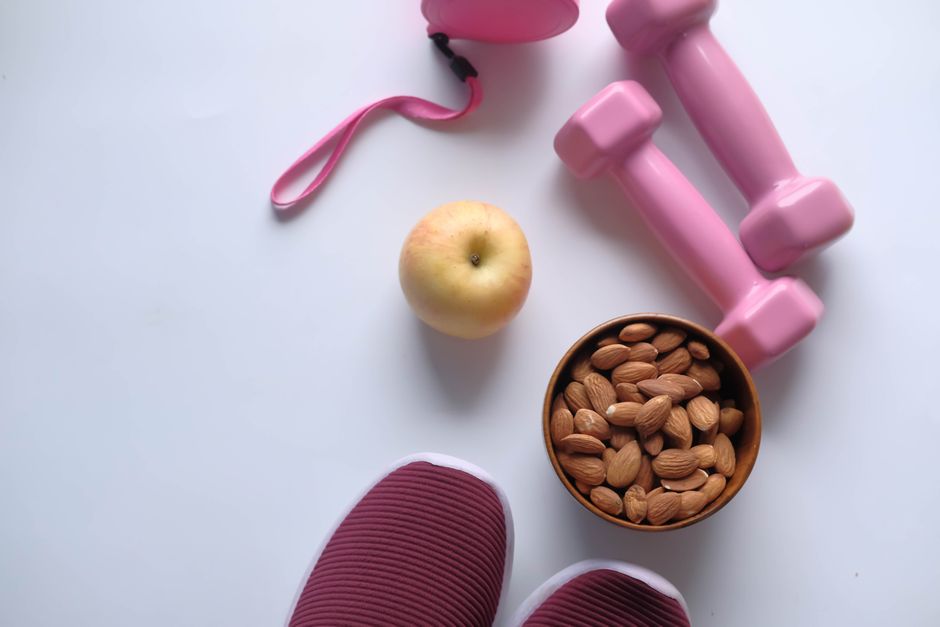
Exercising after eating is not bad for most people, but what you eat and how long you wait matters. The real question is not whether it is bad, but how to time it so your body can digest food and handle physical work at the same time. For most healthy adults, a light meal followed by a 30 to 60 minute wait before moderate exercise causes no problems. Larger meals need more time. The side effects people worry about — cramps, nausea, reflux — are usually avoidable with the right timing and food choices.
What Happens to Your Body When You Eat Before Exercise?
Digestion and exercise compete for blood flow. After a meal, your digestive system needs increased blood supply to break down food and absorb nutrients. When you exercise, your working muscles also demand more blood flow. Your body has to make a choice, and it typically prioritizes the harder demand.
During moderate exercise, your body manages both tasks, though digestion slows down. During intense exercise, blood flow shifts heavily toward muscles. Digestion nearly stops. Food sits in your stomach longer. That is when you feel the classic symptoms like cramping, nausea, or a heavy, sloshing feeling in your gut.
This is not dangerous for a healthy person. It is uncomfortable. The stomach can hold food for hours without harm, and your body will resume digestion once you stop exercising. The discomfort is a signal, not an injury.
Is Exercising After Eating Bad Side Effects for Digestion?
Digestion does not stop completely during exercise, but it does slow down. The rate depends on the intensity of the workout and the size of the meal. A small snack digests faster than a large meal. A walk after a big meal may barely slow digestion at all. A sprint after the same meal will nearly pause it.
Gastric emptying — the time it takes for food to leave your stomach — is the key factor. Liquids and simple carbohydrates leave the stomach quickly, often within 30 to 60 minutes. Fats and proteins take longer. A meal high in fat can remain in the stomach for several hours.
If you exercise before the stomach has emptied, you risk reflux, nausea, and that uncomfortable full feeling. This is not harmful long-term. It simply makes the workout unpleasant. For people with acid reflux or hiatal hernia, the risk is higher, and waiting longer is more important.
Does Exercising After Eating Cause Cramps?
The classic “side stitch” — a sharp pain under the ribs — is real, but it is not caused by food alone. Research has not fully explained side stitches, but they appear more often during high-intensity exercise, especially running. Eating a large meal shortly before exercise increases the likelihood because the stomach is heavy and pulls on ligaments that attach to the diaphragm.
This is a temporary muscle spasm, not tissue damage. It fades when you slow down or stop. There is no evidence that exercising after eating causes lasting harm to the stomach, intestines, or muscles.
If you get cramps after eating, the fix is usually simple: eat less, eat earlier, or lower the intensity of your workout. A small banana or a piece of toast 30 minutes before a workout rarely causes problems. A full plate of pasta right before a run often will.





What Should You Eat Before a Workout?
The best pre-workout meal is small, low in fat, and moderate in carbohydrates. Carbohydrates digest quickly and provide readily available energy. Fat slows digestion. Protein sits in the middle — it digests slower than carbs but faster than fat.
Good options include a banana, a slice of toast with jam, a small bowl of oatmeal, or a handful of dried fruit. These digest within 30 to 60 minutes for most people. If you prefer a full meal, allow two to three hours before exercising.
There is no single perfect pre-workout food. Individual tolerance varies. Some people can run comfortably 20 minutes after a small snack. Others need a full hour. Pay attention to what works for you.
How Long Should You Wait After Eating to Exercise?
General guidance breaks down by meal size. For a small snack, 30 minutes is usually enough. For a light meal, wait one to two hours. For a large meal, wait three to four hours. These are practical estimates based on how fast the stomach empties, not strict medical rules.
Individual factors matter. Age, fitness level, and digestive health all influence how quickly your body handles food. People with diabetes need to consider blood sugar timing. People with gastroparesis — delayed stomach emptying — may need much longer waits or smaller meals.
The most reliable approach is to listen to your body. If you feel heavy, nauseous, or uncomfortable, you waited too little time or ate too much. Next time, adjust one variable at a time.
Is It Bad to Exercise After Eating for Weight Loss or Blood Sugar?
Exercising after eating can actually help with blood sugar control. Research consistently shows that a short walk or light exercise within 30 to 60 minutes after a meal reduces post-meal blood sugar spikes. This is well established in studies of people with type 2 diabetes and in healthy adults.
For weight loss, the timing matters less than the total picture. Exercising after a meal does not block fat burning. It may slightly reduce the amount of fat burned during that specific workout because your body uses the food you just ate for energy. Over the course of a day, this difference is negligible.
What matters more is total daily activity and total calorie intake. Whether you exercise before or after eating, the long-term effects on body weight are similar.
Who Should Be Extra Careful About Exercising After Eating?
Most people can exercise after eating without danger. Certain groups need more caution.
People with acid reflux or GERD often find that exercise after meals worsens symptoms. The physical movement and increased abdominal pressure can push stomach acid upward. Waiting longer or eating smaller meals helps.
People with diabetes who take insulin or certain oral medications face a risk of low blood sugar during exercise. If you take these medications, talk to your doctor about how to time meals and exercise safely.
Older adults may digest more slowly and feel fuller longer. This is normal, but it means the wait time after a meal may need to be longer.
Pregnant women should avoid vigorous exercise immediately after meals, especially in the third trimester. The growing uterus already puts pressure on the stomach, and exercise can worsen reflux and discomfort.
Can Exercising After Eating Cause Long-Term Damage?
No clinical evidence indicates that exercising after eating causes lasting damage to the digestive system, heart, or muscles. The discomfort is temporary and resolves when digestion catches up.
The one exception involves an extremely rare condition called mesenteric ischemia, where blood flow to the intestines is severely reduced. This condition is more common in older adults with advanced cardiovascular disease. In these cases, heavy exercise after a large meal could theoretically reduce intestinal blood flow enough to cause pain. This is a medical emergency if it occurs, but it is not a concern for healthy people.
For the general population, the worst realistic outcome of exercising after eating is an uncomfortable workout, a side stitch, or a bout of nausea. None of these cause injury.
Should You Exercise on an Empty Stomach Instead?
Exercising fasted — without eating beforehand — is not inherently better or worse. Some research suggests fasted exercise may increase fat oxidation during the workout itself. Other research shows no meaningful difference in total body fat loss over weeks or months.
The bigger risk with fasted exercise is low energy and poor performance. If you feel weak, dizzy, or unable to complete your workout, you are better off eating a small snack first.
For most people, the best approach is the one that allows consistent, comfortable exercise. If eating first makes you feel better and perform better, eat first. If you prefer fasted workouts and feel fine, that works too.
Frequently Asked Questions
Is it bad to exercise immediately after eating?
No, but it can cause discomfort like cramping, nausea, or reflux. Waiting 30 to 60 minutes after a small snack reduces these symptoms.
How long should I wait to exercise after a big meal?
Wait three to four hours after a large meal. This allows enough time for the stomach to empty most of its contents.
Can exercising after eating cause a side stitch?
Yes, it can increase the likelihood of a side stitch, especially during running. The pain is temporary and not a sign of injury.
Is walking after dinner good for you?
Yes. A light walk after a meal helps control blood sugar and aids digestion without causing the discomfort associated with vigorous exercise.
