
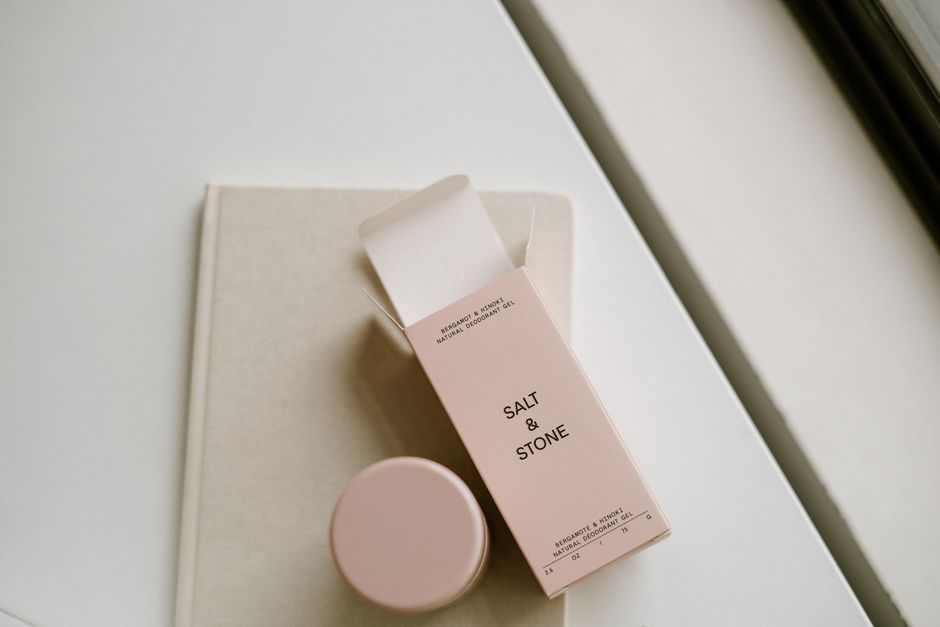
The short answer is that for most people, deodorant with aluminum is not bad for you. The concern comes from aluminum being a metal, and some people worry it can be absorbed through your skin and cause health problems like breast cancer or Alzheimer’s disease. However, major health organizations like the American Cancer Society and the National Cancer Institute have found no strong evidence linking aluminum in antiperspirants to these conditions. The confusion comes from old studies and viral stories, not from solid science.
What Exactly Is Aluminum Doing in Your Deodorant?
First, a key distinction matters. Deodorants control smell. Antiperspirants control sweat. Aluminum is only in antiperspirants, not in most natural deodorants. Its job is to temporarily block your sweat glands so sweat cannot reach your skin’s surface.
Aluminum salts dissolve on your skin and form a gel-like plug inside the sweat duct. This plug stops sweat from coming out. Your body still produces sweat, but it has nowhere to go. The plug wears off over time, usually within 24 hours, and your sweat glands return to normal.
This mechanism has been used since the early 1900s. The FDA classifies aluminum-based antiperspirants as over-the-counter drugs because they change how your body functions. Deodorants without aluminum are classified as cosmetics. That difference matters for regulation but not for safety in normal use.
Does Aluminum in Antiperspirants Cause Breast Cancer?
This is the most common fear. The idea started because some breast cancers develop in the upper outer area of the breast, close to where people apply antiperspirant. Some researchers wondered if aluminum could be absorbed and mimic estrogen, which can fuel some breast cancers.
Research published in the Journal of the National Cancer Institute looked at this directly. They found no link between antiperspirant or deodorant use and breast cancer risk. A 2014 review in Critical Reviews in Toxicology examined all available studies and concluded that the evidence does not support a causal link.
Some small studies have found trace amounts of aluminum in breast tissue. But finding a substance in tissue does not mean it caused disease. Your body contains trace amounts of many metals from food, water, and air. The amount absorbed through skin from antiperspirants is very small compared to what you get from your diet.
Is Deodorant With Aluminum Bad For You and Your Brain?
The Alzheimer’s concern goes back to the 1960s. Some early studies found higher aluminum levels in the brains of people with Alzheimer’s. This led to a widespread belief that aluminum from pots, pans, and antiperspirants caused the disease.
Since then, much better research has been done. The Alzheimer’s Association states that no good scientific evidence links aluminum from antiperspirants to Alzheimer’s disease. The original studies had flaws. They did not account for the fact that aluminum levels naturally increase with age, and they could not tell if the aluminum caused the disease or accumulated because of it.
A major review in the journal Neurotoxicology in 2020 found that the evidence for aluminum causing Alzheimer’s is weak. Most researchers now believe genetics and other factors play a much larger role. The aluminum in antiperspirants is not considered a meaningful risk factor.





What Does Research Actually Show About Aluminum Absorption?
Some aluminum does get through your skin. Studies using radioactive aluminum have shown that a tiny amount, less than 0.01% of what you apply, can be absorbed into your bloodstream. Your kidneys filter most of it out within days.
The bigger question is whether that small amount matters. For people with healthy kidneys, it does not appear to. Your body is good at handling small amounts of metals. The concern would be higher for someone with severe kidney disease who cannot filter metals well. If you have advanced kidney disease, your doctor may advise you to avoid aluminum-based antiperspirants.
For everyone else, the amount absorbed from antiperspirants is much smaller than what you get from food. Foods like spinach, tea, and processed cheese contain more aluminum than you would absorb from a full day of antiperspirant use. The FDA considers aluminum-based antiperspirants safe for regular use.
Comparing Aluminum vs. Aluminum-Free Options
If you are still unsure, here is a straightforward comparison of what you get with each type.
| Factor | Aluminum Antiperspirant | Aluminum-Free Deodorant |
|---|---|---|
| Controls sweat | Yes, directly blocks sweat glands | No, only controls odor |
| Controls odor | Yes, by reducing sweat bacteria need | Yes, with antibacterial ingredients |
| Evidence of health risk | None from major health agencies | Naturally lower concern |
| Skin irritation | Can cause irritation in some people | Generally gentler on skin |
| Yellow stains on clothes | Can cause yellow stains | Less likely to stain |
| Effectiveness duration | 12-48 hours | 4-12 hours typically |
If you sweat heavily and need sweat control, aluminum antiperspirants work better. If you only need odor control or have sensitive skin, aluminum-free options may be a better fit.
What to Avoid and Common Misconceptions
One common myth is that “natural” deodorants are always safer. Natural does not automatically mean safer. Some natural deodorants use baking soda, which can cause significant skin irritation and rashes for many people. Others use essential oils that can cause allergic reactions.
Another misconception is that you need to “detox” your armpits from aluminum. This idea has no scientific basis. Your body does not store aluminum from antiperspirants in any meaningful way. The “detox” symptoms people report, like increased sweating or odor, are just your body returning to its normal state after being blocked by antiperspirant.
Things to avoid include:
- Shaving right before applying antiperspirant. Shaving creates tiny cuts that can increase absorption and irritation. Apply at night instead, or wait several hours after shaving.
- Using antiperspirant on broken or irritated skin. This increases absorption and can cause more irritation.
- Believing that aluminum-free products are automatically healthier. They are different, not inherently better or worse.
- Falling for marketing claims about “aluminum toxicity” without checking actual evidence from reputable sources.
Who Should Actually Avoid Aluminum Antiperspirants?
There are specific groups who may want to avoid aluminum antiperspirants for legitimate reasons. People with severe chronic kidney disease, especially those on dialysis, should avoid them. Their bodies cannot filter aluminum effectively, and buildup could become a problem.
People with sensitive skin or a history of contact dermatitis may also want to avoid them. Aluminum compounds can be irritating for some people. If you develop a rash, itching, or bumps under your arms, switching to an aluminum-free option may help.
If you are pregnant or breastfeeding, there is no evidence of harm from normal use. But some women choose to switch to aluminum-free products during pregnancy out of caution. That is a personal choice, not a medical necessity.
For everyone else, the choice comes down to personal preference and what works for your body. Aluminum antiperspirants are effective and considered safe by every major health organization that has reviewed the evidence.
Frequently Asked Questions
Does aluminum in deodorant cause cancer?
Major health organizations like the American Cancer Society and National Cancer Institute have found no strong evidence linking aluminum in antiperspirants to cancer.
Can aluminum deodorant cause Alzheimer’s disease?
The Alzheimer’s Association states there is no good scientific evidence linking aluminum from antiperspirants to Alzheimer’s disease.
Is aluminum-free deodorant safer than regular deodorant?
Aluminum-free deodorant is not inherently safer, it simply works differently by controlling odor instead of blocking sweat.
How much aluminum actually gets absorbed through your skin?
Less than 0.01% of the aluminum you apply is absorbed into your bloodstream, and your kidneys filter most of it out within days.
