
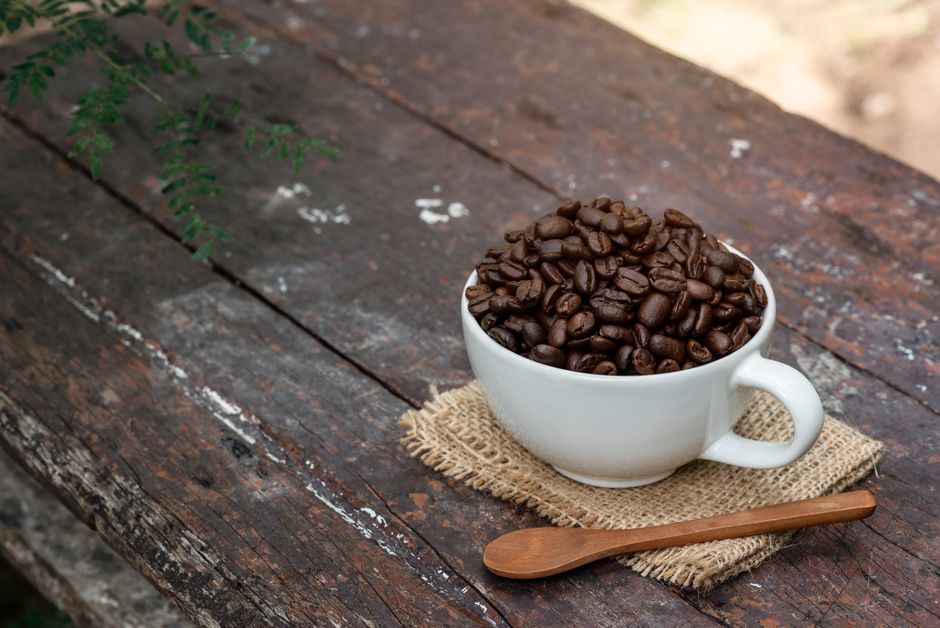
Decaf coffee is real coffee. It comes from the same beans as regular coffee, and it contains many of the same compounds. The main difference is that most of the caffeine has been removed. For many people, that makes decaf a reasonable choice, especially in the afternoon or evening. It is not a magic health drink, and it is not a worthless one either.
Whether decaf is “good for you” depends on what you are comparing it to and why you are drinking it. If you are replacing a fourth cup of regular coffee, decaf can help you cut caffeine without giving up the ritual. If you are drinking it hoping it will protect your heart or prevent disease, the evidence is much weaker than the marketing suggests.
How Is Decaf Coffee Made?
Coffee beans are decaffeinated before they are roasted. The goal is to remove caffeine while keeping as much of the flavor and aroma as possible. Several methods exist, and they all work on the same basic principle: caffeine dissolves in water, so if you soak or steam the beans, you can pull caffeine out.
The difference between methods is mostly about what solvent or filter is used to grab the caffeine.
- Water-based methods use water, sometimes with charcoal filters, to dissolve and trap caffeine. These are often marketed as “chemical-free,” though the term is more about branding than chemistry.
- Solvent-based methods use substances like ethyl acetate or methylene chloride to extract caffeine. Both are used in food processing and are regulated.
- Carbon dioxide methods use pressurized carbon dioxide to pull caffeine from the beans.
All of these are considered safe by regulators when used properly. Residues of solvents in finished coffee are typically extremely low, and food safety agencies set limits for them. If you are concerned, the method used is usually printed on the package or available from the roaster.
One thing worth knowing: decaffeination does not remove all caffeine. Most decaf coffee still contains a small amount, often a few milligrams per cup. That is far less than regular coffee, but it is not zero.
How Much Caffeine Is in Decaf Coffee?
Decaf coffee is not caffeine-free. The amount varies by brand, brewing method, and serving size, but it is consistently low compared to regular coffee.
| Drink | Typical caffeine content |
|---|---|
| Regular brewed coffee (8 oz) | About 95 mg |
| Decaf brewed coffee (8 oz) | About 2 to 5 mg |
| Espresso (1 oz) | About 63 mg |
| Decaf espresso (1 oz) | About 1 to 2 mg |
These figures come from USDA nutritional data and are widely used as reference values. Actual amounts can be higher or lower depending on the bean and how it is brewed. A large decaf from a coffee shop may contain more than a small cup at home, but it will still be a fraction of the regular version.
For most people, that difference matters. If you are sensitive to caffeine, avoiding it in the evening, or cutting back for medical reasons, decaf gives you the taste of coffee with a much smaller dose.
Is Decaf Coffee Good For You?
Decaf coffee contains many of the same beneficial compounds as regular coffee, including chlorogenic acids and other antioxidants. These are found in the bean itself, not the caffeine, so they survive decaffeination to a large degree.
What the research shows is more modest than headlines often suggest. Some studies have linked coffee consumption, including decaf, to lower risks of certain conditions such as type 2 diabetes and some liver conditions. But these are observational studies. They show associations, not cause and effect. People who drink decaf may differ from people who do not in ways that are hard to measure.
The evidence for decaf specifically is thinner than for regular coffee. Many large studies group all coffee drinkers together, so it is hard to separate the effects of decaf from the effects of caffeine. Some research suggests decaf may have modest benefits for blood sugar and liver health, but the findings are not consistent enough to make strong claims.
What can be said with more confidence is that decaf coffee is not harmful for most people when consumed in normal amounts. It does not appear to raise the risk of heart disease or cancer. For many people, it is a reasonable substitute for regular coffee.





Who Might Benefit From Drinking Decaf?
Decaf is a practical choice for several groups. It is not a treatment for any condition, but it can help people manage caffeine intake without giving up coffee entirely.
- People sensitive to caffeine. Some people feel jittery, anxious, or have trouble sleeping after even a small amount of caffeine. Decaf removes most of that problem.
- Pregnant women. Current guidance from major health organizations recommends limiting caffeine during pregnancy. Decaf can help reduce total intake while still allowing coffee.
- People with sleep problems. Caffeine can interfere with sleep, especially when consumed in the afternoon or evening. Decaf avoids that issue.
- People with certain heart conditions or arrhythmias. Some clinicians recommend limiting caffeine for people with specific heart rhythm issues. Decaf is often a safer option, though individual advice varies.
- People taking medications that interact with caffeine. Some drugs can make caffeine effects stronger or last longer. Decaf reduces that concern.
None of this means decaf is necessary for everyone. If you tolerate caffeine well and enjoy regular coffee, there is no strong reason to switch.
Does Decaf Coffee Have Downsides?
Decaf coffee is generally well tolerated. The most common complaints are mild and familiar: it can still be acidic, so it may bother people with acid reflux or sensitive stomachs. It can also have a slightly different taste than regular coffee, though modern decaffeination methods have narrowed that gap.
One point that gets lost: decaf is not caffeine-free. If you are avoiding caffeine completely for a medical reason, you should know that even small amounts can add up if you drink several cups. For most people this is not an issue, but for a few it might be.
There is also the question of what you add to your coffee. Cream, sugar, and flavored syrups can turn a low-calorie drink into a high-calorie one. That has nothing to do with decaf itself, but it matters for the overall health picture.
Some people report that decaf does not give them the same “lift” as regular coffee. That is expected, since the lift comes from caffeine. If you drink decaf expecting the same energy boost, you may be disappointed.
Decaf vs. Regular Coffee: What Is the Difference?
The main difference is caffeine. Regular coffee contains enough to affect alertness, blood pressure, and sleep in many people. Decaf contains very little.
Beyond caffeine, the two are more similar than different. Both contain antioxidants and other plant compounds. Both can be brewed the same way. Both can be part of a enjoyable routine.
The health effects diverge mostly around caffeine. Regular coffee has been studied more extensively, and some of its benefits may be tied to caffeine. Decaf may share some of those benefits through other compounds, but the evidence is not as strong.
For someone who wants the taste of coffee without the caffeine, decaf is the obvious choice. For someone who wants the alertness that comes with caffeine, decaf will not deliver that.
Is Decaf Coffee a Healthy Choice Overall?
Decaf coffee can fit into a healthy diet. It is low in calories on its own, contains beneficial plant compounds, and does not appear to cause harm for most people. It is not a health food in the sense that it will prevent disease or replace other healthy habits.
If you enjoy coffee and want less caffeine, decaf is a sensible option. If you are looking for a drink with proven health benefits, the evidence for decaf is modest and mixed. It is best thought of as a reasonable alternative, not a remedy.
As with most things in nutrition, the context matters. A cup of decaf after dinner is unlikely to hurt you. A daily habit of large, sugary decaf drinks is a different story. The coffee itself is rarely the problem.
Frequently Asked Questions
Is decaf coffee completely caffeine-free?
No. Decaf coffee typically contains a small amount of caffeine, often around 2 to 5 mg per 8-ounce cup. That is far less than regular coffee but not zero.
Is decaf coffee good for your liver?
Some studies suggest coffee, including decaf, may be linked to better liver health, but the evidence is observational and not strong enough to recommend decaf as a liver treatment. More research is needed.
Can I drink decaf coffee while pregnant?
Decaf can help reduce total caffeine intake during pregnancy, which many health organizations recommend limiting. However, decaf still contains small amounts of caffeine, so it counts toward your daily total.
Does decaf coffee have the same antioxidants as regular coffee?
Decaf coffee retains many of the same antioxidants, though levels can vary depending on the decaffeination method. It is not identical to regular coffee, but it is not devoid of beneficial compounds either.
