
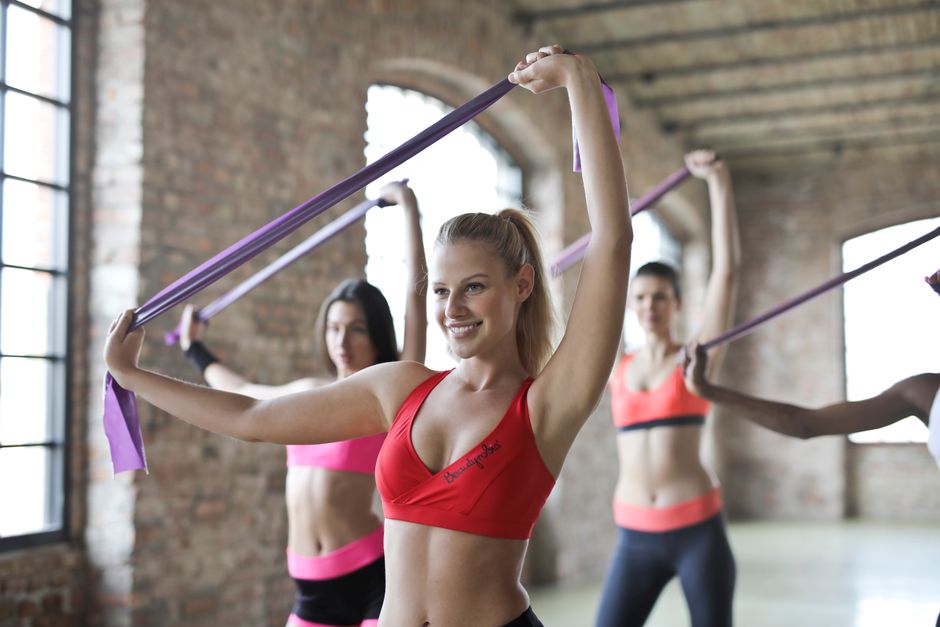
Dancing is absolutely a good workout. It combines aerobic exercise, strength building, and balance training in one activity. Research consistently shows that regular dancing improves heart health, muscle strength, and coordination. For many people, it also feels more like fun than exercise, which makes it easier to stick with long-term.
What Kind of Exercise Is Dancing?
Dancing is primarily a cardiovascular exercise. Your heart rate goes up, you breathe harder, and your body burns calories. But it is not only cardio. Many dance styles require you to support your own body weight, which builds muscle strength in your legs, core, and back.
Different styles push different energy systems. A slow waltz is lighter effort. High-energy styles like hip-hop, salsa, or Zumba push your heart harder. Ballet builds significant lower-body and core strength. The type of dancing you choose determines the specific fitness benefits you get.
Most dance classes mix continuous movement with brief rests. This pattern resembles interval training. Your heart rate rises during fast sequences and recovers during slower ones. This variation is good for cardiovascular fitness.
How Many Calories Does Dancing Burn?
Calorie burn depends on your body weight, the dance style, and how hard you push yourself. A 155-pound person burns roughly 200 calories in 30 minutes of moderate dancing. The same person burns closer to 300 calories in 30 minutes of vigorous dancing.
For comparison, that is similar to brisk walking or light jogging. Fast-paced styles like swing, salsa, or aerobic dance burn more calories than slower styles like ballroom or contemporary. The harder you move and the more you use your whole body, the more energy you use.
The key point is consistency. A 30-minute dance session several times per week adds up. It does not need to be a marathon session to count as meaningful exercise.
Does Dancing Build Muscle and Strength?
Yes, but it depends on the style. Dancing uses your own body weight as resistance. This builds muscular endurance, which is the ability to keep muscles working over time. It also builds some absolute strength, especially in the lower body.
Ballet is the strongest example. It requires holding positions, lifting your body weight, and controlling movements through full ranges of motion. Dancers develop strong legs, glutes, and core muscles. The calf muscles and ankles get significant work in nearly all dance styles.
Upper-body strength gets less attention in most dance forms. Some styles like breakdancing or certain acrobatic movements require serious arm and shoulder strength. But if your goal is significant upper-body muscle growth, dance alone will not match dedicated weight training.
Dance improves muscle coordination and control. This is a distinct benefit. Your muscles learn to work together in smooth, coordinated patterns. That translates to better movement quality in daily life.





What Are the Balance and Coordination Benefits?
Dancing is one of the best activities for balance and coordination. Every step, turn, and weight shift challenges your body’s balance systems. Over time, your body gets better at sensing its position in space and making quick adjustments.
This matters more as you age. Falls are a leading cause of injury in older adults. Better balance reduces fall risk. Studies have found that older adults who dance regularly show better balance and gait than those who do not.
Coordination also improves. Dancing requires your arms, legs, and torso to move in specific patterns, often to a rhythm. This trains your brain to control multiple body parts simultaneously. It is a full-brain activity, not just a physical one.
Is Dancing Good for Heart Health?
Yes. Dancing raises your heart rate and keeps it elevated for extended periods. This strengthens your heart muscle, just like any other aerobic exercise. Over time, your resting heart rate may drop, and your heart becomes more efficient at pumping blood.
Research on ballroom dancing has shown improvements in cardiovascular fitness. A study published in the New England Journal of Medicine found that frequent dancing was associated with a lower risk of death from cardiovascular disease. The study followed older adults over several years.
Dancing also improves blood circulation and may help with blood pressure management. Like other forms of moderate aerobic exercise, it supports healthy blood vessel function. For most people, dancing is a safe and effective way to improve heart health.
Can Dancing Help With Weight Loss?
Dancing can contribute to weight loss, but the math matters. Weight loss happens when you burn more calories than you consume. Dancing burns calories, so it helps create that deficit. But you cannot out-dance a poor diet.
A 30-minute dance session burns between 200 and 300 calories for most people. To lose one pound, you need a deficit of about 3,500 calories. That means multiple dance sessions per week, combined with a reasonable diet, to see meaningful weight change.
High-intensity dance styles are more effective for weight loss than gentle styles. The more you move, the more you sweat, the more calories you burn. Consistency beats intensity for most people. Dancing three to four times per week is a realistic target.
One advantage dance has over other exercise is adherence. People tend to stick with activities they enjoy. If dancing feels fun rather than like a chore, you are more likely to keep doing it. Long-term consistency matters more for weight management than any single workout.
What Are the Mental Health Benefits of Dancing?
Dancing has documented mental health benefits. Physical activity releases endorphins, which improve mood. The rhythmic movement and music add another layer. Music alone has been shown to improve mood and reduce stress.
Dancing also requires focus. You have to remember steps, follow rhythm, and coordinate movement. This mental engagement can take your mind off worries. Many people describe dancing as a form of active meditation.
Social dancing adds a connection component. Dancing with others reduces feelings of loneliness and isolation. Group dance classes create a sense of community. This social aspect is a real health benefit, not just a nice extra.
Some studies suggest dancing may help with cognitive function. Learning new dance routines challenges your memory and processing speed. This may contribute to brain health over time, though more research is needed to confirm long-term effects.
How Often Should You Dance for Fitness?
General physical activity guidelines recommend at least 150 minutes of moderate aerobic activity per week. That works out to about 30 minutes, five days per week. Dancing counts toward this goal.
If you dance vigorously, you can aim for 75 minutes per week instead. Vigorous means you are breathing hard and your heart rate is significantly elevated. The exact split depends on your fitness level and goals.
Start where you are. If you are new to exercise, begin with one or two dance sessions per week. Build up gradually. Listen to your body. Soreness is normal, but sharp pain is a sign to stop.
You do not need a class or a partner. Dancing at home to your favorite music counts. The important thing is that you move consistently and enjoy what you are doing.
Are There Any Risks to Dancing?
Dancing carries a low risk of injury, but it is not zero. The most common injuries are sprains, strains, and overuse injuries in the feet, ankles, and knees. These happen most often when people push too hard too fast.
Wear supportive shoes appropriate for the dance style. Dance on a surface that has some give, like a sprung wooden floor. Avoid dancing on hard concrete for long periods. This reduces impact on your joints.
If you have existing joint problems or heart conditions, check with your doctor before starting a new dance routine. This is especially important if you plan to do high-impact styles. Most people can dance safely with proper precautions.
Warm up before dancing and cool down after. This reduces injury risk and helps with recovery. A few minutes of light movement and stretching makes a meaningful difference.
Frequently Asked Questions
Is dancing better than running for fitness?
Both are effective but different. Running is simpler and burns calories efficiently, while dancing adds balance, coordination, and strength benefits that running does not provide.
How many minutes of dancing should I do per day?
Thirty minutes per day, most days of the week, meets general physical activity guidelines. You can split it into shorter sessions if that fits your schedule better.
Can dancing replace weight training?
No, not fully. Dancing builds muscular endurance and some strength, but it does not provide the progressive overload needed for significant muscle growth.
Is dancing good for seniors?
Yes, dancing is excellent for older adults. It improves balance, coordination, and cardiovascular health while being low-impact enough for most people to do safely.
