
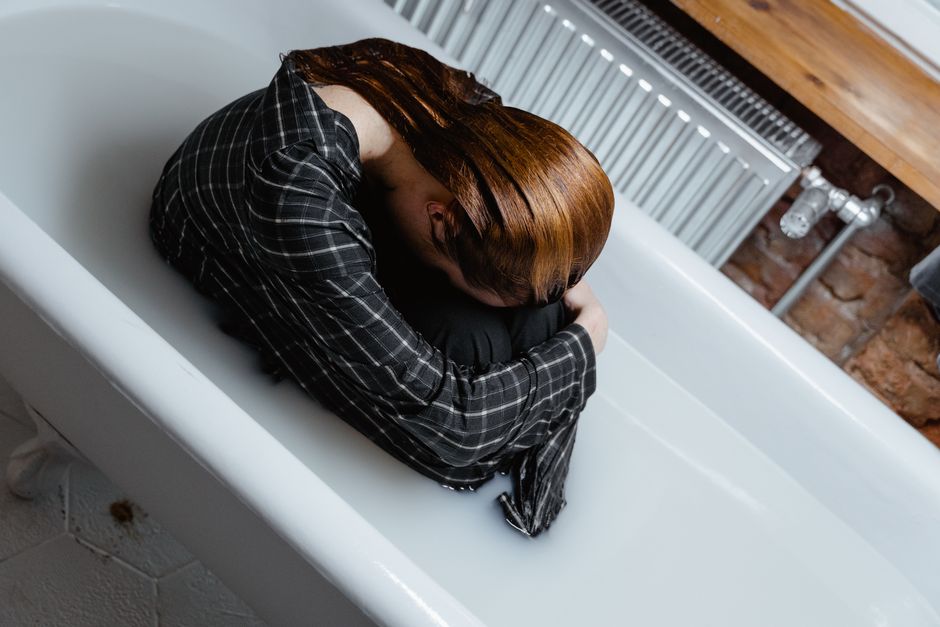
Methadone does not directly cause depression in most people, but it can either mask existing depressive symptoms or uncover them once the sedative effects wear off. The relationship is complex because methadone affects brain chemistry in ways that can both help and hurt mood regulation. For some individuals, methadone treatment actually improves depression by stabilizing their lives and reducing opioid cravings. For others, the medication can unmask depression that was already there but hidden by opioid use. The key is understanding that methadone itself is rarely the sole cause — it is more often a factor that changes how depression shows up.
Does Methadone Cause Depression Or Reveal It?
The short answer is that methadone more often reveals depression than causes it. When someone is using opioids regularly, those drugs can temporarily lift mood and numb emotional pain. Once methadone replaces those opioids, the numbing effect decreases. This can leave a person feeling the full weight of depression they had been self-medicating with street drugs.
Research published in the Journal of Addiction Medicine found that about 20 to 30 percent of people in methadone treatment meet criteria for major depression. But the same study showed that depression rates were similar in people with opioid use disorder who were not on methadone. This suggests the depression was already present, not caused by the medication.
Methadone can also cause side effects like fatigue, low energy, and sleepiness. These physical symptoms can look like depression and sometimes get confused with it. A doctor can help tell the difference between medication side effects and true clinical depression.
How Methadone Affects Mood and Brain Chemistry
Methadone works by binding to the same brain receptors as heroin and prescription opioids. It activates these receptors enough to stop withdrawal and cravings but not enough to cause a high. This stable activation can actually improve mood for many people by removing the chaos of addiction.
However, methadone also affects other brain systems. It can lower testosterone levels in both men and women. Low testosterone is linked to depression, low energy, and loss of interest in activities. The National Institute on Drug Abuse notes that opioid medications including methadone can suppress the hypothalamic-pituitary-gonadal axis, which controls hormone production.
Some people on methadone also experience changes in sleep patterns. Poor sleep is a known risk factor for depression. If someone is sleeping poorly on methadone, that alone could trigger or worsen depressive symptoms. The medication can also cause constipation and sweating, which may contribute to feeling generally unwell and low in mood.
What the Research Says About Methadone and Depression
Multiple large studies have looked at the link between methadone and depression. A 2019 review in Drug and Alcohol Dependence analyzed data from over 10,000 people in methadone treatment. It found that depression rates were highest in the first few months of treatment and then dropped over time. This pattern suggests that the early weeks of methadone can be emotionally difficult, but long-term treatment tends to improve mental health.
The same review showed that people who stayed in methadone treatment for more than six months had significantly lower depression scores than those who dropped out early. This is important because it means methadone itself is not causing lasting depression for most people. The emotional struggles early on are often about adjusting to a new way of living without opioids.
Another study in JAMA Psychiatry compared people on methadone with those on buprenorphine, another medication for opioid use disorder. Depression rates were similar between the two groups. This again points to the underlying condition rather than the specific medication as the main driver of depressive symptoms.




Common Misconceptions About Methadone and Depression
A big misconception is that methadone causes depression in everyone who takes it. This is not true. Many people on methadone report improved mood and quality of life. The medication allows them to function normally, hold a job, and repair relationships. For these individuals, methadone is clearly helpful for mental health.
Another myth is that methadone is just replacing one addiction with another. This misunderstands how medication-assisted treatment works. Methadone is not taken to get high. It is taken to stabilize brain chemistry and allow a person to recover. The goal is not intoxication but normal functioning.
Some people also believe that stopping methadone will cure depression. In reality, stopping methadone suddenly can cause withdrawal symptoms that include severe anxiety, insomnia, and depressed mood. These withdrawal effects can be mistaken for depression getting worse. A proper medical taper is essential if someone decides to stop methadone.
| Factor | Can Worsen Depression | Can Improve Depression |
|---|---|---|
| Early weeks of methadone | Yes — adjustment period can be hard | No — most people struggle initially |
| Long-term stable methadone use | Rarely — side effects possible | Often — stability improves mood |
| Hormonal changes from methadone | Possible — testosterone suppression | No — this is a negative effect |
| Stopping methadone abruptly | Yes — withdrawal causes depression | No — not recommended |
| Addressing underlying trauma or grief | Can feel worse before better | Yes — therapy helps long-term |
What to Do If You Feel Depressed on Methadone
If you are on methadone and feel depressed, the first step is to talk to your methadone clinic doctor. Do not stop your medication or change your dose without medical guidance. A doctor can check if your dose is too high or too low. Both can cause problems with mood.
Ask for a blood test to check hormone levels, especially testosterone. This is a simple fix if low hormones are contributing to depression. Testosterone replacement therapy is available and can help restore energy and mood in people with confirmed deficiencies.
Consider adding therapy to your treatment. Cognitive behavioral therapy is shown to help people with both addiction and depression. Many methadone clinics offer counseling on site. If not, your doctor can refer you to a therapist who understands addiction and medication-assisted treatment.
- Track your mood daily — A simple 1 to 10 scale can show patterns over weeks.
- Improve sleep hygiene — Go to bed and wake up at the same time every day.
- Move your body — Even a 15-minute walk can lift mood in the short term.
- Reduce alcohol and other drugs — These can worsen depression and interact with methadone.
- Stay connected — Isolation feeds depression. Call a friend or go to a support group.
If your depression is severe — meaning you have thoughts of harming yourself or cannot function day to day — seek emergency help. Call 988 for the Suicide and Crisis Lifeline. Do not wait for a clinic appointment if you are in crisis.
When Methadone Treatment Might Need Adjustment
Sometimes depression on methadone is a sign that the treatment plan needs changes. A dose that is too low can leave a person in mild withdrawal, which looks and feels like depression. A dose that is too high can cause sedation and apathy, which also looks like depression.
Finding the right dose takes time and open communication with your doctor. Most clinics allow dose adjustments in the first weeks of treatment. After that, changes are still possible but may require more justification. Be honest about how you feel physically and emotionally.
Some people do better on a different medication for opioid use disorder. Buprenorphine or naltrexone may have fewer side effects for certain individuals. This is a conversation to have with your addiction specialist. Switching medications is not a failure — it is finding what works for your body.
For people whose depression does not improve with dose adjustments or therapy, antidepressant medication may help. Selective serotonin reuptake inhibitors (SSRIs) like sertraline or fluoxetine are commonly used alongside methadone. Your doctor can help choose an antidepressant that does not interact poorly with methadone.
Frequently Asked Questions
Can methadone cause depression on its own?
Methadone alone rarely causes clinical depression in people who did not already have it. The medication can unmask hidden depression or cause symptoms that feel like depression such as fatigue and low energy.
Does methadone make existing depression worse?
For most people methadone does not make existing depression worse and often improves it by stabilizing their life. In some cases the adjustment period in the first few weeks can temporarily worsen mood.
How long does depression last after starting methadone?
Depressive symptoms in the first weeks of methadone treatment usually improve within one to three months. If depression lasts longer than that a doctor should evaluate for other causes and possible treatment.
Can stopping methadone cause depression?
Yes stopping methadone abruptly can cause withdrawal symptoms that include severe depression anxiety and insomnia. A medically supervised taper is the safest way to stop methadone treatment.
