
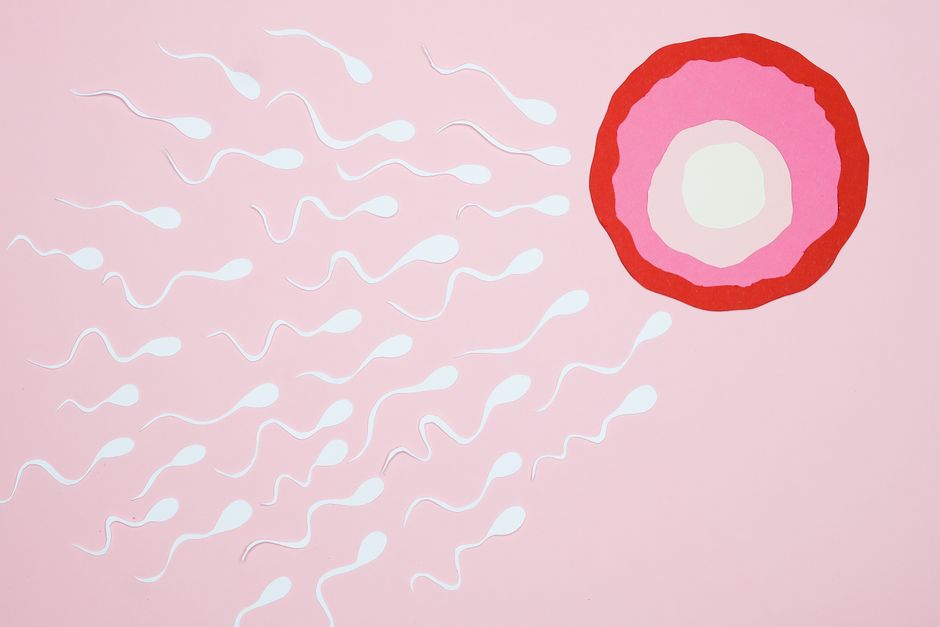
Ovulation is the moment a mature egg is released from an ovary, and for most women it happens about 14 days before the next period starts. Because cycle lengths vary, the actual day of ovulation can be anywhere from day 11 to day 21 of a 28-day cycle. The key is not counting from the last period but counting backward from when the next period is expected.
When Does Ovulation Actually Happen?
Ovulation is not a fixed day on the calendar. It is a moving target tied to your individual cycle length. The average menstrual cycle is 28 days, but cycles from 21 to 35 days are considered normal. The luteal phase — the time between ovulation and the next period — is relatively constant at 12 to 16 days for most women.
This means you can estimate ovulation by subtracting 14 days from your expected next period date. If your cycle is 28 days, ovulation typically falls around day 14. If your cycle is 32 days, ovulation typically falls around day 18. If your cycle is 24 days, ovulation typically falls around day 10.
Counting from the first day of your last period is the standard clinical approach, but it is an estimate. The only way to know your exact ovulation day is to track your body’s signals or use testing.
What Happens in the Body Around Ovulation?
Ovulation is the midpoint event in a carefully timed hormonal sequence. In the first half of your cycle, follicle-stimulating hormone (FSH) causes a few ovarian follicles to grow. One follicle usually becomes dominant and continues maturing. Rising estrogen from that follicle triggers a surge of luteinizing hormone (LH). This LH surge is what causes the mature egg to burst from the follicle.
The egg is then swept into the fallopian tube. It survives there for about 12 to 24 hours. Sperm can survive in the reproductive tract for up to five days. This is why the fertile window is about six days long — the five days before ovulation plus the day of ovulation itself.
After the egg is released, the empty follicle transforms into the corpus luteum. This structure produces progesterone, which thickens the uterine lining to support a potential pregnancy. If the egg is not fertilized, the corpus luteum breaks down, progesterone drops, and the uterine lining sheds as your period.
How Can You Tell When You Are Ovulating?
Several physical signs can help you pinpoint ovulation. These are useful for both conception and natural family planning.
Cervical mucus changes. In the days before ovulation, cervical mucus becomes clear, stretchy, and slippery — similar to raw egg whites. This consistency helps sperm travel. After ovulation, mucus turns thick and sticky or disappears entirely.
Basal body temperature. Your resting temperature rises slightly — usually 0.5 to 1 degree Fahrenheit — after ovulation due to progesterone. This rise confirms ovulation has already happened. It does not predict it. Tracking temperature daily for several cycles reveals a pattern.
Ovulation predictor kits. These home tests detect the LH surge in urine. The surge typically happens 24 to 36 hours before the egg is released. Testing daily starting a few days before expected ovulation helps catch this surge. These kits are highly accurate at detecting the LH surge, but they cannot guarantee that ovulation actually occurred afterward.
Mittelschmerz. Some women feel a sharp or dull pain on one side of the lower abdomen around ovulation. This is called mittelschmerz. It is caused by the follicle stretching or the egg breaking through the ovarian wall. Not every woman feels it, and it is not a reliable method on its own.
Can You Get Pregnant Outside the Fertile Window?
No. Pregnancy is only possible when sperm meets a viable egg. Since the egg survives only 12 to 24 hours and sperm survives up to five days, the fertile window is limited to about six days per cycle.
Having intercourse in the two to three days before ovulation gives the best chance of conception. Sperm are already waiting in the fallopian tube when the egg arrives. Intercourse on the day of ovulation also works. Intercourse after ovulation has passed is unlikely to result in pregnancy because the egg is no longer viable.
For couples trying to conceive, having intercourse every one to two days during the fertile window maximizes the chance of pregnancy. This approach is supported by reproductive medicine guidelines.
What Disrupts Normal Ovulation?
Ovulation does not happen every cycle for every woman. Several factors can delay or prevent it.
Stress. High physical or emotional stress can suppress the hormones that trigger ovulation. This is why some women notice missed or delayed periods during stressful times.
Weight extremes. Both underweight and overweight women can experience irregular ovulation. Body fat influences estrogen production and hormone signaling. A body mass index below 18.5 or above 30 is associated with more irregular cycles.
Polycystic ovary syndrome (PCOS). This condition affects hormone balance and often causes irregular or absent ovulation. It is one of the most common causes of infertility in women of reproductive age.
Thyroid disorders. Both overactive and underactive thyroid conditions can interfere with ovulation. Treating the underlying thyroid problem often restores regular cycles.
Perimenopause. In the years leading up to menopause, ovulation becomes less predictable. Cycles may shorten or lengthen, and some cycles may not produce an egg at all.
When Is The Ovulation if Your Cycle Is Irregular?
Irregular cycles make prediction harder. The 14-day rule still applies to the luteal phase, but you cannot calculate a predicted day without knowing when the next period will come.
For irregular cycles, tracking physical signs becomes more important. Cervical mucus changes and ovulation predictor kits can help identify the fertile window. Basal body temperature confirms after the fact. Some women with very irregular cycles use fertility awareness methods that combine multiple signs.
If your cycles are consistently shorter than 21 days or longer than 35 days, or if they vary by more than seven to nine days from month to month, it is worth discussing with a clinician. This pattern may indicate an underlying condition that affects ovulation.
Does Ovulation Always Happen on Day 14?
No. Day 14 is an average, not a rule. Many women ovulate earlier or later. The day of ovulation depends on the length of the follicular phase — the time from the first day of your period to ovulation. This phase varies from woman to woman and even from cycle to cycle in the same woman.
The luteal phase is the more stable half. It rarely varies by more than a day or two for an individual woman. This is why counting backward from the expected period date is more accurate than counting forward from the first day of your period.
A woman with a 35-day cycle who assumes she ovulates on day 14 would be off by nearly a week. She would completely miss her fertile window if she timed intercourse around day 14 alone.
Can You Ovulate Without a Period?
Yes, this is possible. Ovulation can occur before the first period after childbirth, after stopping birth control, or in women with very irregular cycles. The first ovulation after a break produces a period about two weeks later. This means a woman can conceive before ever having a period in that cycle.
It also works the other way. A woman can have a period without ovulating. This is called an anovulatory cycle. The uterine lining sheds due to estrogen withdrawal rather than the drop in progesterone that follows ovulation. Anovulatory cycles are common in the first year after menarche, in perimenopause, and in women with PCOS.
Frequently Asked Questions
How many days after your period do you ovulate?
Ovulation typically happens about 14 days before your next period, not a set number of days after your last one. In a 28-day cycle, that is around day 14, but in longer or shorter cycles the day shifts accordingly.
What are the signs that ovulation is happening?
The most reliable signs are clear stretchy cervical mucus, a positive ovulation predictor test, and a sustained rise in basal body temperature after ovulation. Some women also feel mild pain on one side of the lower abdomen.
How long does ovulation last each month?
The egg survives for only 12 to 24 hours after release. The fertile window, however, lasts about six days because sperm can survive up to five days in the reproductive tract.
Can you ovulate twice in one cycle?
Occasionally two eggs are released within the same cycle, but they are released within 24 hours of each other, not on separate days. This is how fraternal twins occur, but it is not a common event.
