
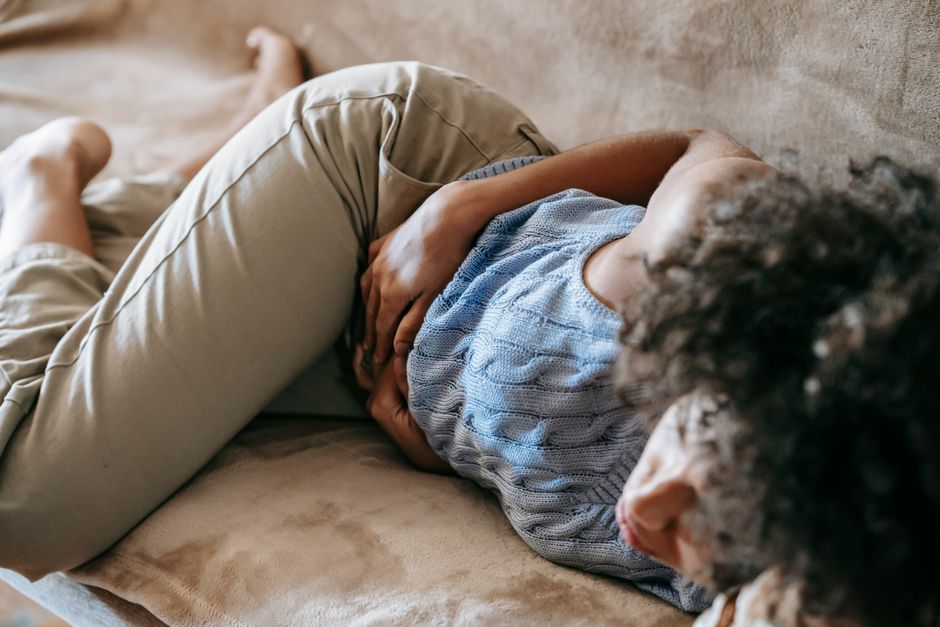
Cramping during pregnancy is common, and in most cases it is not a sign that something is wrong. The uterus is a muscle, and it contracts and stretches throughout pregnancy. Most cramps are mild, brief, and tied to normal body changes. Some cramps, though, are a signal to call your doctor right away. Knowing the difference matters.
Is Cramping While Pregnant Normal?
Yes, for most pregnant women, some cramping is a normal part of pregnancy. The question worth asking is not whether cramping happens, but what kind of cramping it is.
Early pregnancy brings hormonal shifts and rapid growth in the uterus. Both can cause a pulling or aching feeling low in the abdomen. Later in pregnancy, the uterus practices contracting. These practice contractions are called Braxton Hicks contractions. They are usually irregular, mild, and ease up on their own.
Round ligament pain is another common cause. The round ligaments support the uterus and stretch as it grows. A quick movement, a cough, or a change in position can trigger a sharp pull on one or both sides of the lower belly. This is uncomfortable but not dangerous.
What separates normal cramping from concerning cramping is not just how strong it feels. It is the pattern. Cramps that are mild, come and go without a steady rhythm, and have no other symptoms are usually nothing to worry about. Cramps that are severe, steady, or paired with bleeding, fever, or fluid leaking need medical attention.
What Causes Cramping in Early Pregnancy?
The first trimester is a time of fast change. The uterus is growing and its blood supply is increasing. The ligaments that hold it in place are loosening under the influence of pregnancy hormones. All of this can produce mild cramping or a feeling of pressure.
Implantation, when a fertilized egg attaches to the lining of the uterus, can cause a brief twinge or light spotting. Not every woman notices it. Some do.
Gas and constipation are also frequent culprits. Progesterone, a hormone that rises in pregnancy, slows the movement of the digestive tract. That slowdown can cause bloating and cramp-like discomfort that has nothing to do with the uterus.
There is an important distinction here. Cramping in early pregnancy is common. But cramping paired with heavy bleeding or passing tissue is not something to wait out. That combination can signal a miscarriage or an ectopic pregnancy, where the fertilized egg implants outside the uterus. Ectopic pregnancy is a medical emergency. Call your doctor or go to an emergency room if you have severe one-sided pain, shoulder pain, dizziness, or heavy bleeding.
What Causes Cramping in the Second and Third Trimesters?
As pregnancy advances, the causes of cramping shift. Braxton Hicks contractions often begin in the second or third trimester. They feel like a tightening across the belly. They tend to be irregular and do not get closer together over time. They usually stop if you change position or rest.
Round ligament pain becomes more noticeable as the uterus grows heavier. It is often felt on the right side, though it can happen on either side. It tends to be brief and sharp rather than a dull ache.
Later in pregnancy, leg cramps are common, especially at night. Their exact cause is not fully understood. Some research points to changes in how the body handles calcium and magnesium, and to the extra weight and pressure on leg muscles. The evidence on prevention is mixed. Stretching the calf before bed is widely suggested by clinicians, though trials have not shown it works for everyone.
In the third trimester, a new pattern of cramping deserves attention. Regular contractions that come at steady intervals, especially before 37 weeks, can be a sign of preterm labor. Call your doctor if contractions become regular, if you feel pelvic pressure, or if you notice a change in vaginal discharge.





When Is Cramping a Sign of Something Serious?
Most cramping is harmless. Some is not. Certain symptoms mean you should contact your doctor right away rather than wait for a scheduled visit.
- Vaginal bleeding that is heavy or increasing
- Severe or constant abdominal pain that does not ease with rest
- A steady cramping pattern that gets stronger and closer together
- Fever, chills, or pain when you urinate
- Fluid leaking from the vagina
- Dizziness, fainting, or shoulder pain
- A noticeable decrease in your baby’s movement after about 28 weeks
Some of these point to specific problems. A urinary tract infection can cause cramping and pelvic pressure, and it needs treatment. Placental abruption, where the placenta separates from the uterine wall, can cause sudden severe pain and bleeding. Preterm labor can begin with regular cramping. Pre-eclampsia, a condition marked by high blood pressure during pregnancy, can cause upper abdominal pain, though it usually brings other signs as well.
None of these can be diagnosed from symptoms alone. That is why the guidance is to call rather than self-assess. A doctor can check what is actually happening.
How Do You Tell Normal Cramping From a Warning Sign?
The pattern of the cramp tells you more than its intensity. Normal cramping tends to be mild, brief, and irregular. It often eases when you rest or change position. It comes without bleeding, fever, or fluid loss.
Warning-sign cramping behaves differently. It may be severe, steady, or follow a rhythm that tightens over time. It may come with bleeding, fever, or a gush of fluid. It may not ease no matter what you do.
Here is a comparison that can help you think it through. It is a guide, not a diagnosis.
| Feature | Usually Normal | Worth a Call |
|---|---|---|
| Intensity | Mild to moderate | Severe or worsening |
| Pattern | Irregular, comes and goes | Regular and getting closer together |
| Response to rest | Eases with rest or position change | Does not ease |
| Bleeding | None, or very light spotting | Heavy or increasing bleeding |
| Other symptoms | None | Fever, fluid leaking, dizziness, decreased fetal movement |
If you are unsure which column you fall into, call your doctor. There is no harm in asking. There can be harm in waiting.
What Can You Do About Mild Pregnancy Cramps?
For mild, ordinary cramping, a few simple steps often help. Rest and change position. A warm bath or a heating pad on a low setting can ease muscle tension. Gentle stretching, especially for leg cramps, may bring relief.
Stay hydrated. Drink enough water through the day. Some clinicians suggest that dehydration can make cramps worse, though the evidence is not strong. It is a low-risk habit regardless.
For constipation-related cramping, fiber and fluids help. Talk to your doctor before taking any laxative or supplement during pregnancy.
Do not take over-the-counter pain relievers without checking with your doctor first. Some common pain medicines are not recommended at certain points in pregnancy. This is a case where the guidance is specific and worth following rather than guessing.
If cramps are frequent or severe, or if you are worried, that is reason enough to call. You do not need to meet a threshold of symptoms to ask a question.
Does Cramping Mean Something Is Wrong With the Baby?
No. Most cramping does not mean anything is wrong with the baby. Mild cramping from a growing uterus, stretching ligaments, or digestive changes has no effect on the pregnancy itself.
This is where many women carry unnecessary worry. The uterus contracts throughout pregnancy, and feeling it does not mean you are losing the pregnancy. Braxton Hicks contractions, in particular, are a normal part of the uterus preparing for labor.
The honest position is this. Cramping alone, without other symptoms, is rarely a sign of a problem. Cramping with bleeding, fever, fluid loss, or a regular tightening pattern is a different matter and needs a doctor’s eyes. The presence or absence of other symptoms is what changes the picture, not the cramp by itself.
Frequently Asked Questions
Is cramping in early pregnancy normal?
Mild cramping in early pregnancy is common and usually caused by the uterus growing and hormones shifting. Cramping with heavy bleeding, severe one-sided pain, or dizziness is not normal and needs urgent medical care.
How do I know if pregnancy cramps are contractions?
Braxton Hicks contractions are irregular and usually ease with rest or a change in position. Contractions that come at regular intervals and get stronger and closer together may be labor and should be checked by your doctor.
Can cramping during pregnancy mean a miscarriage?
Cramping alone is not a sign of miscarriage. Miscarriage is more often signaled by cramping together with heavy bleeding or passing tissue, so that combination should be reported to your doctor right away.
When should I call my doctor about cramping while pregnant?
Call your doctor if cramping is severe, constant, or comes with bleeding, fever, fluid leaking, dizziness, or reduced fetal movement. You can also call any time you are worried, even if your symptoms seem mild.
