
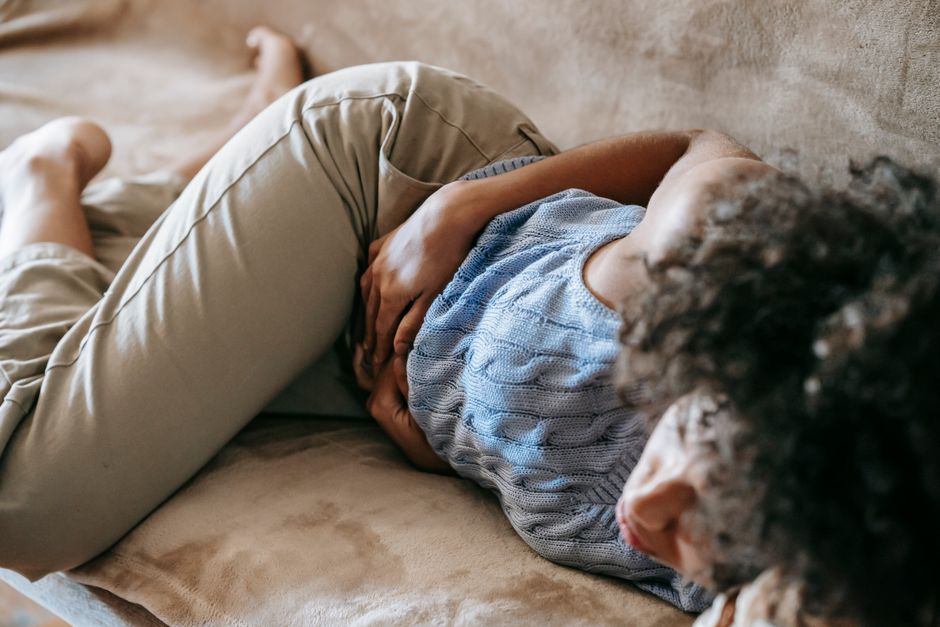
Cramping at 6 weeks of pregnancy is common, and in most cases it is not a sign that something is wrong. Early pregnancy brings real physical changes to the uterus, the ligaments that support it, and the digestive tract, and any of these can cause mild cramping. The key distinction is between mild, occasional cramping with no bleeding and cramping that is severe, one-sided, persistent, or paired with bleeding — that second pattern needs medical attention.
Is Cramping Normal At 6 Weeks?
Yes, mild cramping is a normal part of early pregnancy for many people. At 6 weeks, the embryo is implanting more deeply into the uterine lining, the uterus is beginning to grow, and hormone levels are shifting quickly. All of these processes can produce a dull, crampy feeling similar to menstrual cramps.
What makes cramping “normal” is not just the sensation itself but the pattern around it. Mild cramping that comes and goes, does not get steadily worse, and happens without bleeding is generally considered a normal early-pregnancy symptom. Cramping that is severe, constant, focused on one side, or accompanied by bleeding is not something to wait out.
It helps to understand what is actually happening in the body at this stage, because the source of the cramp often tells you how concerned to be.
What Causes Cramping At 6 Weeks?
Several distinct processes can cause cramping this early, and they do not all feel the same.
Uterine growth. The uterus is a muscle, and it is starting to expand. As the muscle fibers stretch, many people feel a pulling or aching sensation low in the pelvis. This is often described as similar to period cramps but milder.
Implantation. Implantation — when the fertilized egg attaches to the uterine lining — typically happens earlier than 6 weeks, but the surrounding changes to the lining can continue to cause mild sensations. Some people notice light spotting around implantation, which is different from a period in flow and duration.
Round ligament stretching. The round ligaments support the uterus. As the uterus grows and shifts position, these ligaments stretch. This can cause a sharp, brief pain, often on one side, especially with sudden movement, coughing, or standing up.
Hormonal changes. Progesterone rises significantly in early pregnancy. It relaxes smooth muscle throughout the body, including the digestive tract. This slowing of digestion can cause gas, bloating, and cramping that has nothing to do with the uterus at all.
Digestive changes. Constipation is common in early pregnancy for the same hormonal reasons. Gas and constipation can both produce cramping that feels pelvic but originates in the bowel.
Because these causes overlap in where they are felt, it is often hard to tell them apart from sensation alone. The pattern — mild and intermittent versus severe and persistent — is the more useful signal.
When Is Cramping A Sign Of Something Serious?
Cramping that is severe, one-sided, or accompanied by bleeding can indicate a problem that needs prompt medical evaluation. This is not a reason to panic, but it is a reason to call a clinician rather than wait.
Two conditions are specifically associated with early-pregnancy cramping and both require medical attention:
- Ectopic pregnancy. This is when a fertilized egg implants outside the uterus, most often in a fallopian tube. It can cause sharp, one-sided cramping or pain that may worsen over time. Ectopic pregnancy is a medical emergency and cannot be treated at home.
- Miscarriage. Cramping that is stronger than menstrual cramps and accompanied by bleeding — especially bleeding that increases — can be a sign of miscarriage. Many miscarriages happen in the first trimester.
Other warning signs that warrant a call to a clinician or emergency care include:
- Cramping that is severe or getting worse
- Pain concentrated on one side
- Bleeding that is heavy or increasing
- Shoulder pain, dizziness, or fainting (these can accompany an ectopic pregnancy)
- Fever or chills
- Pain with urination or difficulty urinating, which can point to a urinary tract infection
Urinary tract infections are worth naming separately. They are more common in pregnancy and can cause pelvic cramping and discomfort. Untreated UTIs carry risks in pregnancy, so they are treated rather than watched.




How Does Normal Cramping Differ From Concerning Cramping?
The difference usually comes down to intensity, pattern, location, and whether bleeding is present. Normal early-pregnancy cramping tends to be mild, comes and goes, and is felt broadly across the lower abdomen or pelvis. Concerning cramping tends to be stronger, more constant, or focused in one spot.
| Feature | Usually normal | Needs medical attention |
|---|---|---|
| Intensity | Mild, similar to or milder than period cramps | Severe or worsening |
| Pattern | Comes and goes | Constant or steadily increasing |
| Location | Broad, low in the pelvis | Sharp, one-sided, or localized |
| Bleeding | None, or light spotting | Heavy or increasing bleeding |
| Other symptoms | None, or mild bloating and gas | Dizziness, fainting, shoulder pain, fever |
This table is a guide, not a diagnostic tool. If you are unsure which category your symptoms fall into, contacting a clinician is the safer choice. There is no downside to asking.
What Should You Do About Cramping At 6 Weeks?
For mild, intermittent cramping without bleeding, most clinicians suggest rest, hydration, and gentle activity rather than bed rest. Bed rest is not generally recommended for routine early-pregnancy cramping, and evidence does not support it as a treatment for preventing miscarriage.
Practical steps that may help with discomfort:
- Rest when you feel the need, but avoid prolonged bed rest unless a clinician advises it
- Stay hydrated — dehydration can worsen cramping
- Use a warm (not hot) compress on the lower abdomen
- Eat fiber-rich foods and drink water to reduce constipation-related cramping
- Avoid heavy lifting and sudden twisting movements that can pull the round ligaments
What you should not do is try to self-diagnose the cause. Mild cramping and early signs of a problem can feel similar at first. If anything changes — the pain gets worse, becomes one-sided, or bleeding starts — that is the point to call a clinician, not to wait and see.
Pain medication in pregnancy is a specific concern. Not all over-the-counter pain relievers are considered appropriate in pregnancy, and the guidance differs by medication and by trimester. Ask a clinician or pharmacist before taking anything, including medications you took routinely before pregnancy.
Does Cramping At 6 Weeks Mean Something Is Wrong With The Pregnancy?
No. Mild cramping alone does not mean the pregnancy is failing. Many healthy pregnancies include cramping in the first trimester, and the symptom by itself is not a predictor of outcome.
What matters more is the combination of symptoms. Cramping plus heavy bleeding is a different picture from cramping alone. Cramping that is severe and one-sided is a different picture from mild, diffuse cramping. The presence of cramping by itself tells you very little about how the pregnancy is progressing.
If you are worried, an early ultrasound can confirm that the pregnancy is in the uterus and check for a heartbeat, depending on how far along you are. At 6 weeks, a heartbeat may or may not be visible yet — this varies based on dating accuracy and individual timing, and a clinician can explain what is expected at your specific stage. Not seeing a heartbeat at exactly 6 weeks does not automatically mean a problem; it often means the dating needs to be rechecked.
The honest position is this: cramping at 6 weeks is common and usually benign, but it is also one of the symptoms that can accompany a real problem. That is why the guidance is not “ignore it” or “panic” but “know the warning signs and call if they appear.”
Frequently Asked Questions
Is cramping at 6 weeks normal without bleeding?
Yes, mild cramping without bleeding is common and usually normal in early pregnancy. It is typically caused by uterine growth, hormone shifts, or digestive changes rather than a problem with the pregnancy.
When should I worry about cramping at 6 weeks?
Worry — and call a clinician — if the cramping is severe, one-sided, getting worse, or accompanied by bleeding, dizziness, fainting, or shoulder pain. These signs can indicate ectopic pregnancy or miscarriage and need prompt evaluation.
Can cramping at 6 weeks mean miscarriage?
Cramping alone does not mean miscarriage, but cramping that is stronger than period cramps and paired with bleeding can be a sign of one. If bleeding starts or the pain intensifies, contact a clinician right away.
What does normal 6-week cramping feel like?
It usually feels like mild menstrual cramps — dull, intermittent, and felt low in the pelvis. It should not be sharp, constant, or focused on one side.
