
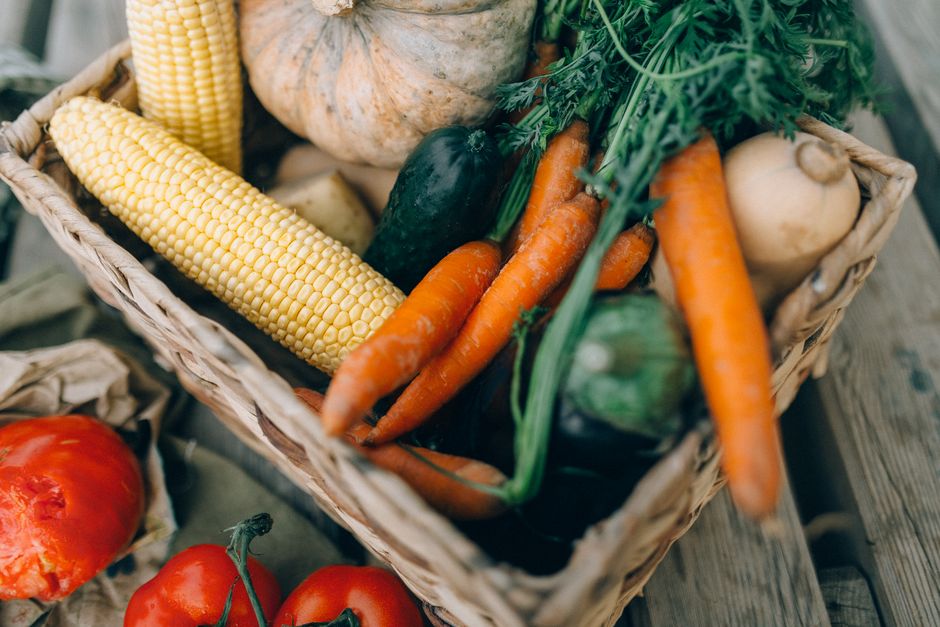
Corn on the cob is a whole grain, and eaten plain with minimal butter or salt, it’s a genuinely healthy food. One medium ear delivers roughly 3 grams of fiber, several B vitamins, and useful amounts of magnesium and potassium, all for about 90 to 100 calories. Where corn gets a bad reputation is not the corn itself — it’s what people pile on top of it, or the processed forms of corn that show up in chips, syrups, and refined snack foods.
Is Corn On The Cob Healthy?
Yes. Fresh corn on the cob is a whole grain with a solid nutritional profile and a low-to-moderate glycemic impact when eaten as part of a mixed meal.
Corn is technically a grain, not a vegetable, which surprises many people. That matters because whole grains are consistently linked in large population studies to lower rates of heart disease, type 2 diabetes, and some cancers. Corn earns its place in that category when it’s eaten close to its natural form.
What corn is not is a low-carb food. A medium ear contains around 30 grams of carbohydrate. For most people that’s fine. For someone managing blood sugar carefully, portion and pairing matter more than the corn itself.
What Nutrients Does Corn On The Cob Actually Contain?
Corn offers a meaningful mix of fiber, vitamins, and minerals — but the exact amounts depend on the variety and how it’s cooked.
Yellow corn is one of the better natural sources of lutein and zeaxanthin, two carotenoids that concentrate in the retina. Research published in the journal Nutrients and elsewhere has linked higher dietary intake of these compounds to lower risk of age-related macular degeneration, though the strongest evidence for that connection comes from studies of supplements, not corn specifically.
A medium ear of cooked yellow corn provides roughly:
- About 90 to 100 calories
- 3 grams of fiber
- 3 grams of protein
- Around 30 grams of carbohydrate
- Useful amounts of vitamin B6, thiamin, and folate
- Magnesium and potassium
Corn is not a nutritional powerhouse the way leafy greens or legumes are. It’s a solid contributor, not a standout. That’s an honest way to think about it.
Corn vs. Other Common Starchy Sides
| Food (1 cup cooked) | Calories | Fiber (g) | Carbohydrate (g) |
|---|---|---|---|
| Sweet corn | ~143 | ~3.6 | ~31 |
| White rice | ~205 | ~0.6 | ~45 |
| Brown rice | ~216 | ~3.5 | ~45 |
| Potato (baked, no skin) | ~134 | ~2.3 | ~30 |
Compared with white rice, corn delivers more fiber for fewer carbohydrates. Compared with brown rice, it’s roughly comparable on fiber but lower in total carbohydrate per cup. That’s a fair, evidence-based comparison.
Does Corn Raise Blood Sugar?
Corn has a moderate glycemic index, meaning it raises blood sugar at a moderate pace — not sharply, but not slowly either.
The glycemic index of sweet corn generally falls in the middle range, lower than white potatoes or white rice but higher than most non-starchy vegetables. The glycemic index is also only part of the picture. What matters more in real life is the glycemic load — how much carbohydrate you eat and what you eat it with.
Eating corn alongside protein, fat, or fiber-rich foods slows digestion and blunts the blood sugar spike. A plain ear of corn on an empty stomach will hit differently than the same ear eaten with grilled chicken and a salad.
For people with type 2 diabetes, corn is not off the table. It counts as a carbohydrate serving and should be worked into the overall carbohydrate budget for the meal. Some clinicians recommend pairing it with protein and monitoring blood sugar responses individually, since responses vary from person to person. That’s a reasonable clinical approach, though individual response testing is not a formal guideline.




Is Corn Fattening?
No. Corn on the cob is not inherently fattening, and no controlled study has shown that eating it causes weight gain.
Weight gain comes from eating more calories than the body uses over time, not from any single food. A medium ear of corn has about 90 to 100 calories — roughly the same as an apple. The problem is usually the butter, salt, and portion size, not the corn.
A tablespoon of butter adds about 100 calories. Two tablespoons adds 200. A loaded ear of corn with butter and salt can easily reach 300 calories before you’ve eaten anything else. That’s where the math shifts.
Corn’s fiber content actually works in your favor here. Fiber slows digestion and contributes to satiety, which is one reason whole grains tend to be associated with better weight management in observational studies. Those studies show association, not proof of cause, but the direction is consistent.
Does Corn Cause Inflammation or Digestive Problems?
For most people, no. Corn is well tolerated and does not cause inflammation in the general population.
There is a persistent internet claim that corn is inflammatory because it’s high in omega-6 fatty acids. This is misleading. Whole corn contains very little fat to begin with, and the omega-6 concern applies mainly to refined industrial seed oils consumed in large quantities — not to a vegetable eaten off the cob.
Some people do have trouble with corn for specific reasons:
- Corn allergy is real but uncommon. It can cause hives, swelling, or in rare cases a severe reaction.
- Digestive discomfort can occur because corn contains cellulose, a fiber humans cannot fully break down. Seeing whole kernels in stool is normal and not a sign of poor digestion.
- FODMAP sensitivity — corn contains sorbitol and other fermentable carbohydrates that can trigger symptoms in people with irritable bowel syndrome. Some people with IBS tolerate corn well; others do not.
If you notice symptoms consistently after eating corn, that’s worth tracking. Otherwise, there’s no reason to avoid it.
Is Canned or Frozen Corn as Healthy as Fresh?
Canned and frozen corn are nutritionally close to fresh, and in some cases better than fresh corn that’s been sitting around for days.
Frozen corn is typically blanched and frozen shortly after harvest, which preserves most vitamins. Canned corn loses some water-soluble vitamins during processing, particularly vitamin C and some B vitamins, but retains fiber and minerals well.
The main thing to watch with canned corn is sodium. Some brands add salt during canning, and a half-cup serving can contain a few hundred milligrams of sodium depending on the product. Draining and rinsing canned corn removes a meaningful portion of that added sodium. Checking the label is the simplest way to compare.
Fresh corn that’s been sitting in a truck for a week may actually have lost more nutrients than frozen corn processed the same day it was picked. Freshness matters less than the form — whole kernel corn in any of these three forms is a reasonable choice.
What About High-Fructose Corn Syrup and Processed Corn?
High-fructose corn syrup is not the same thing as corn on the cob, and conflating the two is a category error.
High-fructose corn syrup is a highly processed sweetener made from corn starch. It’s added to soda, candy, and many packaged foods. Whether it’s meaningfully worse for health than regular sugar is genuinely debated — the evidence is mixed, and the bigger issue with both is total added sugar intake, not the specific type.
Either way, none of that debate applies to an ear of corn. Whole corn contains no added sugar. The natural sugars in sweet corn are packaged with fiber, water, and micronutrients, which changes how the body handles them.
This is where corn’s reputation gets unfairly dragged down. People hear “corn” and think of corn syrup, corn chips, and cornstarch. Those are processed corn products. They are not the same food.
How Should You Eat Corn On The Cob?
Plain, steamed or grilled, with minimal butter and salt is the most straightforward way to get corn’s benefits without turning it into a calorie-dense side dish.
A few practical notes:
- Grilling adds flavor without added fat. A light brush of olive oil is enough.
- If you use butter, measure it rather than spreading freely — a teaspoon or two goes a long way.
- Pair corn with protein and vegetables to slow digestion and improve satiety.
- If you’re watching sodium, choose fresh or frozen corn, or rinse canned corn before using it.
Corn fits well into most eating patterns, including Mediterranean-style diets and vegetarian diets. It’s naturally gluten-free, which makes it useful for people with celiac disease or gluten sensitivity.
Is Corn On The Cob Healthy? The Bottom Line
Corn on the cob is a whole grain with real nutritional value — fiber, B vitamins, magnesium, potassium, and eye-supporting carotenoids. It’s not a superfood, and it’s not a villain. It’s a solid starchy side that works well in a balanced diet.
The healthiest version is simple: fresh, frozen, or canned corn, lightly seasoned, eaten alongside protein and vegetables. The least healthy version is corn buried under butter and salt, or the processed corn products that share its name but not its nutrition.
If you enjoy corn on the cob, there’s no evidence-based reason to avoid it. If you’re managing blood sugar, count it as a carbohydrate and pair it thoughtfully. That’s the honest answer.
Frequently Asked Questions
Is corn on the cob a vegetable or a grain?
Corn is botanically a grain, or more precisely a caryopsis, which is why it counts as a whole grain nutritionally. In everyday cooking and dietary guidelines, it’s often grouped with starchy vegetables because of how it’s eaten.
Is corn on the cob good for weight loss?
Corn can fit into a weight loss diet because it’s relatively low in calories and provides fiber that helps with fullness. Weight loss depends on overall calorie balance, not on any single food.
Does corn on the cob spike blood sugar?
Corn has a moderate glycemic index, so it raises blood sugar at a moderate pace rather than sharply. Pairing it with protein or fat slows that rise further.
Is canned corn as healthy as corn on the cob?
Canned corn retains most of its fiber and minerals, though some water-soluble vitamins are lost in processing. The main difference is added sodium, which varies by brand and can be reduced by rinsing.
