
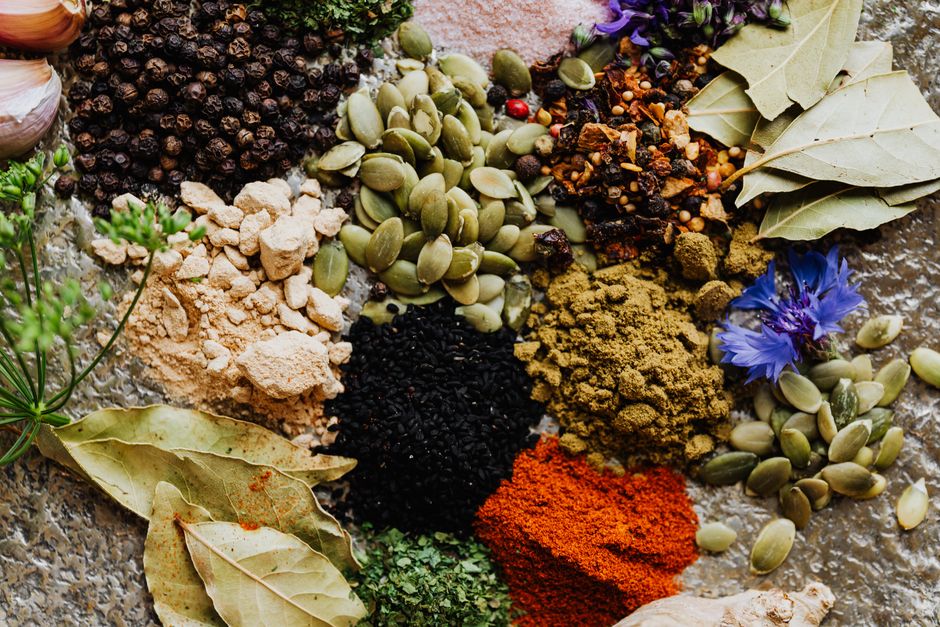
Coriander is safe for most pregnant women when used as a culinary herb in normal cooking amounts. The concern that matters is dose and form. Small amounts of fresh leaves or ground seed in food are widely considered safe. Concentrated coriander oil or large supplemental doses have not been studied enough in pregnancy to call them safe, and those forms are generally best avoided.
That distinction is the whole story. A garnish on your soup and a therapeutic-dose capsule are not the same thing, and treating them as equivalent is where most online advice goes wrong.
Is Coriander Safe During Pregnancy When Used in Food?
Yes. Coriander used as a food ingredient is considered safe during pregnancy.
Coriander is the plant Coriandrum sativum. In the United States, its leaves are usually called cilantro, while the dried seeds are called coriander. Both come from the same plant and both are used as ordinary foods.
Culinary amounts — a handful of leaves, a teaspoon of ground seed in a curry — are the kind of exposure that shows up in diets around the world. Populations in South Asia, Latin America, the Middle East, and the Mediterranean have cooked with it for centuries, and it appears in prenatal diets without a documented pattern of harm.
This is a case where the absence of formal clinical trials is not a red flag. You will not find randomized controlled trials of coriander in pregnancy, because researchers do not run trials on common food ingredients that have no safety signal. What exists instead is long-standing dietary use and basic toxicology. Both point the same direction for food amounts.
How Much Coriander Is Too Much During Pregnancy?
No official guideline sets a maximum amount of coriander for pregnancy. That is an honest limitation, not an oversight, and it means the safest guide is the one that applies to most foods: keep it in the range of normal cooking.
What that looks like in practice:
- Fresh leaves used as a garnish or mixed into a dish — normal culinary use
- Ground seed used to season a recipe — normal culinary use
- Coriander oil taken by mouth in concentrated drops — not culinary use
- Coriander extract or capsules sold as supplements — not culinary use
The first two are food. The second two are concentrated products, and that is where the safety picture changes. A small amount of coriander oil can contain the aromatic compounds of a much larger quantity of the plant. That concentration is exactly why the evidence gap matters.
If you are unsure whether a specific product counts as food or as a supplement, read the label. If it has a suggested serving in drops or capsules, it is a supplement.
Why Is Coriander Oil Different From the Herb?
Coriander essential oil is not a food. It is a concentrated distillate, and concentrated forms of any plant are handled differently in pregnancy.
The reason is straightforward. Compounds that are trivial at food doses can reach meaningful blood levels when concentrated. Many herbs that are unremarkable on a plate become pharmacologically active when distilled into an oil. That does not automatically make them dangerous, but it does mean the reassuring history of culinary use no longer applies.
Established pregnancy guidance generally advises caution with medicinal herbs and essential oils taken internally, because most have not been tested for effects on fetal development. Coriander oil falls into that category. There is no body of human pregnancy data showing it is safe at supplemental doses.
This is also true of many herbal products marketed to pregnant women. The label “natural” describes where a substance came from, not whether it has been tested in pregnancy. Those are separate questions, and only one of them has an answer here.



What About Coriander as a Supplement or for “Detoxing”?
Supplement makers sometimes market coriander extract for heavy metal removal or digestive cleansing. The evidence for these uses in pregnancy is not there.
Some preliminary research has looked at coriander and heavy metal excretion, but this work is early and does not establish a clinical benefit. No study has confirmed that coriander supplements safely remove metals from the body during pregnancy. More importantly, no study has confirmed they are safe for a developing fetus.
Pregnancy is not the time to test an unproven supplement. The risk-benefit math is different when two people are involved, and a product with no pregnancy safety data carries a real unknown.
If you are concerned about heavy metal exposure or digestion during pregnancy, that conversation belongs with your obstetric provider. They can assess what is actually going on rather than treating a marketing claim.
Can Coriander Help With Pregnancy Symptoms?
There is no strong clinical evidence that coriander treats nausea, swelling, or other pregnancy symptoms. Some traditional practices use it for digestion, but tradition is not the same as tested benefit.
This matters because pregnancy nausea and vomiting are common and genuinely uncomfortable. Reaching for an herb that has not been studied for this purpose delays care that has been studied. If nausea is affecting your ability to eat or drink, that is a medical issue with established treatment options, and your provider is the right first stop.
Coriander can still be part of food you enjoy. Enjoying a meal is not nothing during pregnancy. But it is worth being clear that “helps with nausea” is a claim, not a finding.
Are There Any Real Risks to Know About?
For food amounts, the realistic risks are ordinary ones: foodborne illness from contaminated fresh herbs, and allergic reactions in people sensitive to the plant.
Fresh cilantro, like other fresh produce, can carry bacteria if it is not washed. Pregnant women are more vulnerable to foodborne infection, so washing fresh herbs under running water before eating them is a sensible step. This is general food safety guidance, not something specific to coriander.
Coriander allergy exists but is uncommon. People who react to related plants may cross-react. If you have had a reaction before, that history is your guide.
For concentrated oils and supplements, the honest position is that the risk is unknown rather than known to be low. Unknown is not the same as safe, and pregnancy is a poor time to find out.
What Do the Main Health Authorities Say?
There is no single ruling that says “coriander is safe in pregnancy,” because food ingredients rarely get that kind of specific statement. Instead, the picture comes from general principles.
Coriander appears on lists of herbs generally regarded as safe when used in food. It does not appear on lists of herbs to avoid in pregnancy at culinary amounts. Meanwhile, general pregnancy guidance advises caution with medicinal herbs and concentrated oils, which is where coriander oil sits.
Put those together and the direction is consistent. Food use: fine. Concentrated supplemental use: avoid unless a clinician specifically advises otherwise.
One clarification worth making: “generally regarded as safe” is a regulatory category about food use. It is not a statement that a substance has been tested in pregnancy. Reading it as a pregnancy safety endorsement is a common mistake.
How Should You Think About Herbs in Pregnancy Generally?
Coriander is a useful example of a broader principle. In pregnancy, the form and dose of a plant matter more than the plant’s name.
A food is a food. A concentrated extract is closer to a drug, and it should be treated with the same caution you would apply to any unstudied medication. Most herbal products marketed during pregnancy have not been tested for fetal safety, and the supplement industry does not require that testing before sale.
That is the non-obvious part. The question “is coriander safe?” has two different answers depending on which coriander you mean. Fresh leaves in your dinner and a dropper of oil are not the same exposure, and collapsing them into one answer is how people end up either needlessly worried about their food or needlessly relaxed about a supplement.
If you take any herbal product during pregnancy, tell your provider. Not because coriander in your curry is a problem, but because they should know everything you are taking. That is standard and it protects you.
Frequently Asked Questions
Is coriander safe to eat during pregnancy?
Yes, coriander used in normal cooking amounts is considered safe during pregnancy. This includes fresh cilantro leaves and ground coriander seed used to season food.
Is coriander oil safe during pregnancy?
Coriander essential oil and concentrated extracts are not recommended during pregnancy because no human studies have confirmed they are safe at those doses. Culinary use and concentrated oil use are not the same thing.
How much coriander can I eat while pregnant?
No official guideline sets a maximum amount, so the practical guide is normal culinary use. Keep it in the range you would use to season or garnish a dish, and avoid concentrated supplements.
Can coriander cause miscarriage?
There is no evidence that culinary amounts of coriander cause miscarriage. Claims about concentrated coriander oil and miscarriage are not supported by human pregnancy research.
