
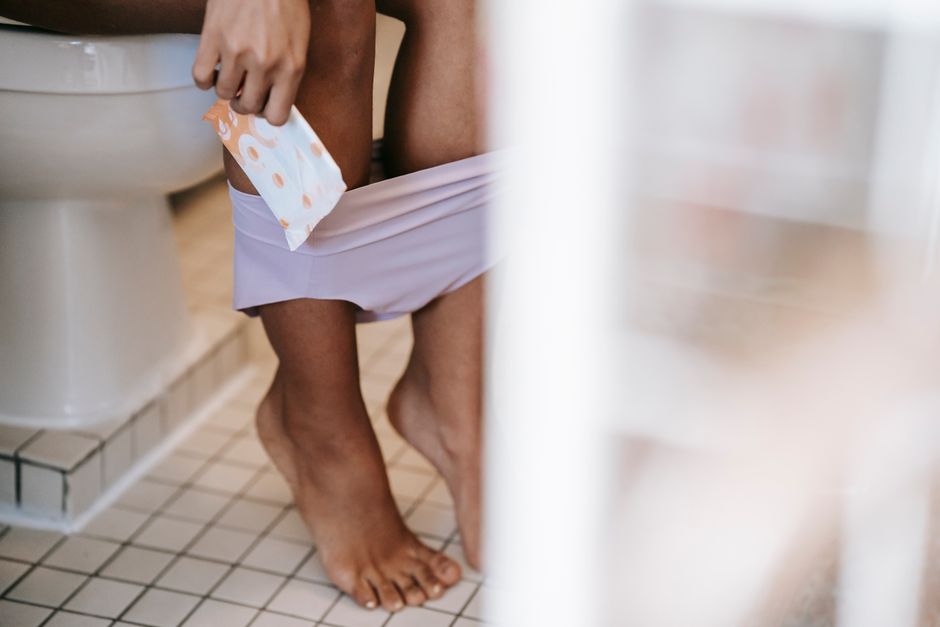
Constipation can be a sign that your period is coming, but it is not a reliable one. Some people notice harder stools or less frequent bowel movements in the days before menstruation, driven by shifts in progesterone and other hormones. Many others notice nothing at all, and constipation has dozens of possible causes that have nothing to do with your cycle.
The short answer: yes, it can be, for some people. But it is one of many possible premenstrual symptoms, and on its own it tells you very little. If your bowel habits change at the same point in your cycle month after month, hormones are a reasonable explanation. If constipation is new, persistent, or comes with pain or bleeding, the menstrual cycle is not the first thing to look at.
Is Constipation A Sign Your Period Is Coming?
It can be, and the mechanism is fairly well understood. In the second half of the menstrual cycle — the luteal phase, after ovulation and before bleeding — levels of the hormone progesterone rise. Progesterone relaxes smooth muscle throughout the body, including the muscle in the walls of the intestines.
That relaxation slows the movement of stool through the bowel. When material sits in the colon longer, more water gets absorbed from it, and the stool becomes harder and drier. Slower transit plus drier stool is a straightforward recipe for constipation.
Progesterone also rises steadily during pregnancy, which is one reason constipation is common in pregnancy. The same hormone, at higher and more sustained levels, produces a more pronounced effect. That parallel is one of the better pieces of indirect evidence that progesterone affects bowel function in humans.
What the research does not give us is a clean number. Studies on menstrual cycle phase and bowel habits have produced mixed results. Some find slower transit or more constipation in the luteal phase. Others find no meaningful difference. The honest position is that this is a real phenomenon for some people and not detectable in others.
Why Do Hormones Cause Constipation Before A Period?
Progesterone is the main player, but it is not acting alone. Several things shift in the days before menstruation, and they can stack on top of each other.
- Slower gut transit. Progesterone’s relaxing effect on smooth muscle slows peristalsis — the wave-like contractions that move stool along.
- More water absorbed. Stool that lingers longer loses more water, becoming firmer.
- Bloating and fluid shifts. Premenstrual bloating is common and can make the abdomen feel full and uncomfortable, which some people interpret as constipation even when bowel frequency has not changed.
- Diet and behavior changes. Cravings, changed eating patterns, lower physical activity, and reduced water intake in the premenstrual days can all slow the bowel independently of hormones.
- Prostaglandins. These hormone-like compounds rise around the start of bleeding. They are best known for causing uterine cramps, but they also affect the gut and can trigger loose stools or urgency once the period begins.
That last point explains a pattern many people recognize: constipation in the days before bleeding, then looser stools or diarrhea in the first day or two of the period. The shift is not random. It tracks the hormonal transition.
How Common Is Constipation Before A Period?
Premenstrual symptoms are very common, but constipation specifically is not one of the most frequently reported. Bloating, breast tenderness, mood changes, fatigue, and food cravings are the symptoms most consistently reported in surveys of premenstrual complaints.
Constipation appears in some studies of premenstrual symptoms, but at lower rates than those better-known complaints, and the numbers vary widely between studies. I am not going to give you a precise percentage, because the estimates in the literature are too inconsistent to state one confidently.
What matters more for you personally is your own pattern. A symptom that recurs at the same cycle point for several months is more informative than any population statistic.





How Can You Tell If It Is Hormonal Or Something Else?
Timing is the main clue. Hormonal constipation shows up in the luteal phase — roughly the week to ten days before bleeding — and eases once the period starts. If your bowel habits follow that rhythm consistently, month after month, the cycle is a plausible driver.
Other causes do not follow that rhythm. They tend to be constant or unpredictable. Common contributors include:
- Low fiber intake or low fluid intake
- Certain medications, including some pain relievers, antidepressants, and iron supplements
- Low physical activity
- Irritable bowel syndrome, which can itself fluctuate with the cycle
- Thyroid problems
- Stress and changes to routine
A useful approach is to track both your bowel movements and your cycle for two or three months. Note frequency, stool consistency, and the date of your last period. Patterns that a memory cannot hold become obvious on paper.
One clarification worth making: the sensation of bloating and the reality of constipation are not the same thing. Premenstrual bloating can make your abdomen feel tight and full without any change in how often you go or how hard your stool is. If your bowel movements are unchanged, you may be feeling bloating rather than true constipation.
When Should Constipation Before A Period Concern You?
Cyclical constipation that resolves on its own each month is generally not a medical concern. Constipation that does not fit that pattern deserves a closer look.
Seek medical advice if you have:
- Constipation that persists for weeks or does not ease after your period starts
- Blood in your stool or on toilet paper
- Severe abdominal pain
- Unexplained weight loss
- A sudden, lasting change in bowel habits after age 45
- Constipation that alternates with diarrhea in a way that does not track your cycle
These signs do not point to a hormonal cause, and they should be evaluated by a clinician rather than attributed to your period. This is especially true for bleeding and for new bowel changes later in life.
What Helps With Premenstrual Constipation?
The general measures for constipation apply here, and they are well established. Fiber intake, adequate fluid, and regular physical activity are the standard first-line approaches for constipation in general. Whether they specifically offset hormone-driven slowing has not been studied in large trials, so treat them as sensible general measures rather than a proven fix for the premenstrual version.
Fiber helps stool hold water and stay softer. Fluid intake matters because fiber without enough water can make things firmer, not looser. Movement supports normal gut motility. These are reasonable steps, and none of them are risky.
For medications — including stool softeners and laxatives — talk to a pharmacist or clinician. Some are appropriate for short-term use and some are not, and the guidance differs by product and by person. I am not going to recommend a specific product or dose here, because that depends on your health history and other medications.
If constipation is clearly tied to your cycle and is bothersome, that is worth raising with a clinician. Hormonal contraception changes the hormonal pattern of the cycle, and some people report changes in cyclical symptoms on it. Whether it helps premenstrual constipation specifically is not well established, so it is a conversation to have rather than a predictable solution.
Does Constipation Mean Your Period Is About To Start?
No. Constipation alone does not predict when your period will start. It is one possible premenstrual symptom among many, and plenty of people who are about to start their period have completely normal bowel habits.
If you are trying to anticipate your period, your cycle history is far more useful than any single symptom. Tracking your cycle length and the date of your last period gives you a much better estimate than reading your digestion.
Constipation is a common complaint with many causes. When it lines up with the luteal phase month after month, hormones are a reasonable explanation. When it does not, look elsewhere.
Frequently Asked Questions
Can constipation be a sign your period is coming?
It can be for some people, because rising progesterone in the days before a period slows movement through the intestines. It is not a reliable sign, and many people notice no change in bowel habits at all.
Why do I get constipated before my period?
Progesterone rises in the second half of the cycle and relaxes the smooth muscle in the intestinal wall, which slows the movement of stool. Stool that stays in the colon longer loses water and becomes harder.
Does constipation go away when your period starts?
For many people it does, as progesterone falls and prostaglandins rise around the start of bleeding. Some people then notice looser stools or diarrhea in the first day or two of the period.
When should I worry about constipation before my period?
Get medical advice if constipation lasts for weeks, does not ease after your period starts, or comes with blood in the stool, severe pain, or unexplained weight loss. These signs are not explained by hormones and should be checked.
