
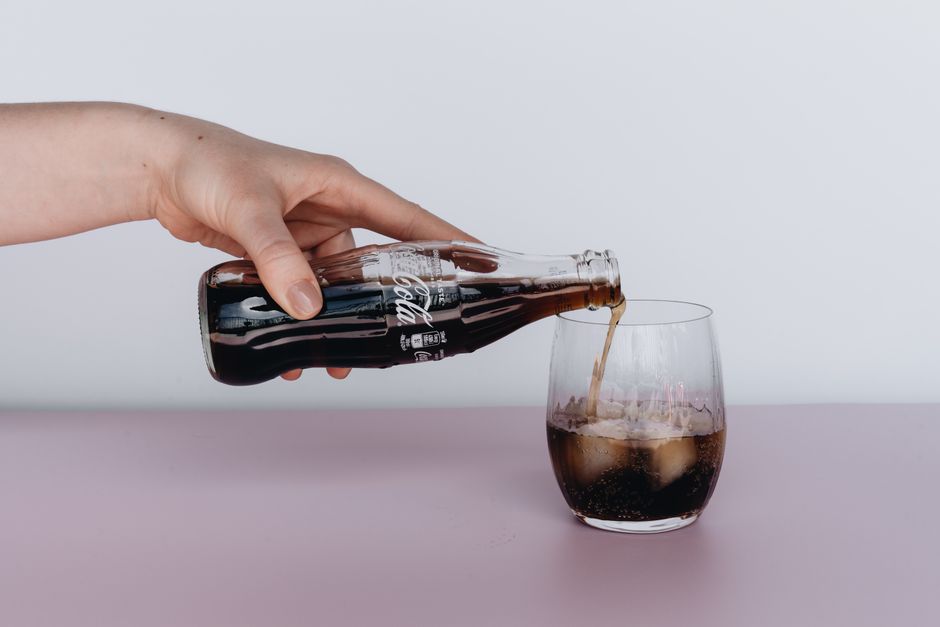
If you are following a low FODMAP diet for IBS or digestive issues, you can stop wondering: regular Coca-Cola is low FODMAP in a single serving of 12 ounces (355 mL). Diet Coke and Coke Zero are also low FODMAP in the same serving size. The key difference between regular and diet options is not FODMAP content — it is the sugar, sweeteners, and how your gut handles them individually.
Is Regular Coke Low FODMAP?
Yes, regular Coca-Cola is low FODMAP at a standard 12-ounce can. Monash University, the research group that developed the low FODMAP diet, has tested and approved regular Coke as low FODMAP.
The main ingredient people worry about is high fructose corn syrup (HFCS) in US versions. HFCS contains roughly equal parts glucose and fructose. Glucose is not a FODMAP. Fructose becomes a FODMAP only when it exceeds glucose in a food. Because the ratio in HFCS is balanced, regular Coke stays within low FODMAP limits at one serving.
But the serving size matters. Drink two cans back to back, and you might exceed the safe threshold for excess fructose. Stick to one can per sitting and you are fine on FODMAPs.
Is Diet Coke or Coke Zero Low FODMAP?
Both Diet Coke and Coke Zero are low FODMAP in a 12-ounce serving. These drinks use artificial sweeteners instead of sugar or HFCS. The sweeteners in these products — aspartame, acesulfame potassium, and sucralose — are not FODMAPs. Monash University has tested diet colas and classified them as low FODMAP.
That said, sweeteners affect people differently. Some people with IBS find aspartame or sucralose triggers symptoms like gas or bloating even though they are chemically low FODMAP. This is not a FODMAP reaction. It is a personal sensitivity to the sweetener itself. The low FODMAP diet only addresses fermentable carbohydrates. It does not guarantee every ingredient will agree with you.
If you tolerate artificial sweeteners well, diet options are fine. If you notice symptoms after diet soda, it might be the sweetener, not the FODMAPs.
What Is the Difference Between Regular and Diet Coke for IBS?
The FODMAP content is the same — essentially zero in both. The real difference comes down to three things: sugar content, sweetener type, and carbonation effects.
Regular Coke contains about 39 grams of sugar per 12 ounces. That sugar is rapidly absorbed and does not reach the colon to ferment. For most people, it does not cause gas or bloating from a FODMAP mechanism. But high sugar intake can affect gut motility. Some people find sugar pulls water into the bowel, which can cause loose stools or diarrhea if you are prone to it.
Diet options have zero sugar. They use non-nutritive sweeteners that pass through without being digested. For most people this is fine. But some research has found artificial sweeteners can alter the gut microbiome in certain individuals. This is not a FODMAP issue but could matter for long-term gut health.
Carbonation affects both equally. The bubbles in any soda can cause bloating and burping regardless of sweetener. If carbonation bothers you, neither version will help.
| Factor | Regular Coke (12 oz) | Diet Coke / Coke Zero (12 oz) |
|---|---|---|
| FODMAP status | Low FODMAP | Low FODMAP |
| Sweetener | Sugar / HFCS | Aspartame, acesulfame K, sucralose |
| Sugar per serving | 39 g | 0 g |
| FODMAP trigger risk | Very low at 1 can | Very low at 1 can |
| Non-FODMAP gut concerns | Possible loose stools from sugar | Possible sensitivity to sweeteners |
| Carbonation effect | Yes — can cause gas | Yes — can cause gas |
Neither version is clearly better for IBS. It depends on your personal triggers.




How Much Coke Can You Drink on a Low FODMAP Diet?
The safe amount for FODMAP purposes is one 12-ounce can per sitting. Monash University uses this serving size in testing. Drinking more than that increases the risk of excess fructose intake from the HFCS in regular Coke. For diet versions, the sweetener amounts in two cans are still very low, but the carbonation and total liquid volume can cause distension.
A common mistake is assuming “low FODMAP” means you can drink unlimited amounts. That is not how the diet works. FODMAPs accumulate throughout the day. If you eat other high-FODMAP foods, even a low-FODMAP soda could push you over your personal threshold. Pay attention to your total FODMAP load, not just the soda alone.
Some people on the low FODMAP diet also react to caffeine. A 12-ounce Coke has 34 mg of caffeine. Diet Coke has 46 mg. Coke Zero has 34 mg. If caffeine triggers your IBS symptoms, these amounts matter. You might tolerate one can but not two.
Does Coke Trigger IBS Symptoms Even Though It Is Low FODMAP?
Yes. Many people report IBS symptoms from Coke even though it is officially low FODMAP. This is common and frustrating, but it does not mean the FODMAP information is wrong. It means something else in the drink is causing the problem.
The most likely culprits are carbonation and caffeine. Carbon dioxide gas in soda directly inflates the stomach and intestines. For someone with a sensitive gut, this alone can cause bloating, pain, and the urge to pass gas. Caffeine is a stimulant. It speeds up gut muscle contractions. In some people this causes urgent bowel movements or diarrhea.
Acidity is another factor. Coke has a pH around 2.5. That is very acidic. For people with acid reflux or esophageal sensitivity, this can cause burning or discomfort that feels like an IBS flare even though it is not a FODMAP reaction.
If you drink Coke and get symptoms, do not assume you failed the low FODMAP diet. The diet only addresses fermentable carbs. It does not fix carbonation sensitivity, caffeine intolerance, or acid reflux. Those are separate issues that require their own management.
Common Misconceptions About Coke and FODMAPs
A widespread myth online claims that all soda is high FODMAP because it contains HFCS. This is not accurate. The FODMAP issue with fructose depends on the ratio of fructose to glucose. HFCS in the US is usually 42% or 55% fructose, with the rest being glucose. Because glucose and fructose are nearly equal, the excess fructose that would trigger symptoms is minimal in a single serving. Monash University has confirmed this.
Another misconception is that diet soda is always safer for IBS. For FODMAPs, yes. But some people react worse to artificial sweeteners than to sugar. There is no universal rule. You have to test each version yourself during the elimination and reintroduction phases of the diet.
A third myth is that Coke Zero and Diet Coke are the same drink. They are not. Diet Coke uses a different sweetener blend and has a different flavor profile. Coke Zero is formulated to taste closer to regular Coke. Both are low FODMAP, but if you react to one, the other might be fine due to different sweetener combinations.
Some people also believe that drinking Coke through a straw reduces gas. There is no evidence for this. Swallowing air from drinking is minimal compared to the carbon dioxide already dissolved in the liquid. The straw does not change the gas content of the soda.
Frequently Asked Questions
Can I drink Coke on a low FODMAP diet?
Yes, one 12-ounce can of regular Coke, Diet Coke, or Coke Zero is low FODMAP and allowed on the diet.
Is Coke worse for IBS than other sodas?
Not necessarily. All carbonated sodas can cause gas and bloating. Coke is low FODMAP, but some other sodas with apple or pear juice are high FODMAP.
Does Coke Zero have FODMAPs?
No, Coke Zero is low FODMAP. Its sweeteners do not contain fermentable carbohydrates that trigger FODMAP reactions.
How much Coke is too much on a low FODMAP diet?
Stick to one 12-ounce can per sitting. Drinking more increases the risk of excess fructose from regular Coke or gut irritation from carbonation.
