
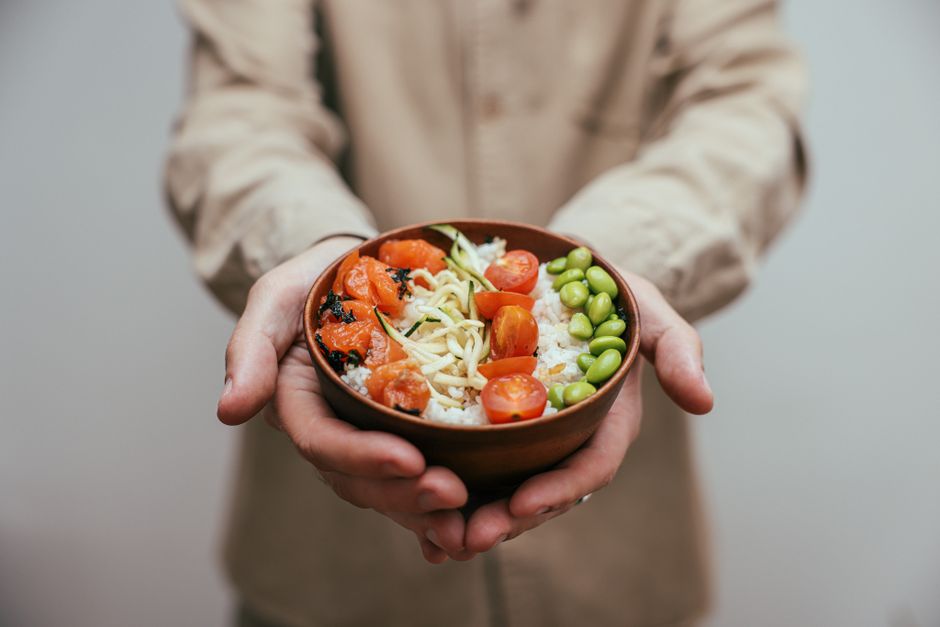
If you are watching calories and love rice, you have probably wondered which type is the lowest. The answer is konjac rice, often called shirataki rice. A standard 100-gram serving has roughly 5 to 10 calories. That is dramatically lower than white rice, which has about 130 calories per 100 grams. This ranking puts konjac rice first, followed by cauliflower rice at about 25 calories per 100 grams, then shirataki rice blends, brown rice, and wild rice.
What Is the Lowest Calorie Rice All Options Ranked?
Here is the full ranking from lowest to highest calorie density. Konjac rice sits at the very bottom. It is made from the konjac plant, and its main ingredient is glucomannan fiber. This fiber passes through your body mostly undigested, which is why the calorie count is so low.
Cauliflower rice comes next. It is not a grain at all, but finely chopped cauliflower. A cup of cauliflower rice has about 25 to 30 calories. Shirataki rice blends combine konjac with tofu or oat fiber for a slightly different texture. These blends run around 15 to 30 calories per serving depending on the brand. Brown rice and wild rice are the lowest among whole grains, at about 110 to 120 calories per 100 grams cooked. White rice and jasmine rice sit at the high end with 130 to 140 calories per 100 grams.
Does Konjac Rice Actually Taste Like Rice?
Konjac rice does not taste like regular rice. It has almost no flavor on its own. The texture is chewy and slightly gelatinous, which some people find strange at first. Many describe it as similar to tofu or a very soft noodle.
What matters more is how you prepare it. Rinsing konjac rice thoroughly and then dry-frying it in a hot pan for a few minutes removes the briny smell and improves the texture. After that, it absorbs the flavors of whatever sauce or seasoning you add. In a stir-fry with strong flavors like soy sauce, ginger, and garlic, most people cannot tell the difference. In a plain bowl with nothing else, you will notice.
Research published in the journal Nutrition Reviews has confirmed that glucomannan, the fiber in konjac, helps with satiety. That means you feel full on fewer calories. So even if the taste is not identical, the fullness factor is real.
What Does Research on Low-Calorie Rice Alternatives Show?
The strongest evidence supports konjac-based products for weight management. A 2017 review in the Journal of the American College of Nutrition looked at multiple studies on glucomannan. The researchers found that taking glucomannan before meals led to modest weight loss over several weeks. The fiber expands in your stomach, which reduces how much you eat at the next meal.
Cauliflower rice has less direct research as a rice substitute. But the evidence for replacing refined grains with vegetables is solid. The CDC notes that swapping white rice for cauliflower rice cuts calories significantly while increasing fiber and vitamin C intake. That is a straightforward nutritional win.
Some studies suggest that resistant starch in cooked and cooled brown rice may lower the calorie impact. When you cook rice and then cool it overnight, some of the starch becomes resistant to digestion. A study in Asia Pacific Journal of Clinical Nutrition found that cooled rice had about 10 to 15 percent fewer digestible calories than freshly cooked rice. That is not a huge difference, but it is real.
Here is a comparison table showing the calorie content of each option per 100 grams cooked:
| Rice Type | Calories (per 100g cooked) | Key Feature |
|---|---|---|
| Konjac (shirataki) rice | 5-10 | Glucomannan fiber, nearly zero digestible carbs |
| Shirataki blend (with tofu) | 15-30 | Softer texture, slightly more protein |
| Cauliflower rice | 25-30 | Whole vegetable, high in vitamin C |
| Brown rice (cooled) | 100-110 | Resistant starch from cooling |
| Wild rice | 100-115 | Higher protein than white rice |
| Brown rice (fresh) | 110-120 | Whole grain, more fiber than white |
| White rice | 130-140 | Lowest fiber, highest calorie density |




What Are the Side Effects of Eating Konjac Rice?
Konjac rice can cause digestive discomfort if you eat too much too fast. The glucomannan fiber absorbs water and expands in your stomach. That is what makes you feel full. But it can also cause bloating, gas, or cramping in some people. The FDA has issued guidance that konjac products should be eaten with plenty of water to prevent the fiber from forming a blockage in the throat or esophagus.
Start with a small serving, about half a cup, and drink water with it. Your gut bacteria need time to adjust to the extra fiber. Some people report loose stools when they first try konjac rice. That usually resolves after a few days.
Cauliflower rice has fewer side effects. The main issue is gas from the raffinose, a type of carbohydrate that ferments in the gut. Cooking cauliflower thoroughly reduces this effect. If you have irritable bowel syndrome, you may want to start with a small amount to see how you react.
How Do You Cook Low-Calorie Rice So It Actually Tastes Good?
Cooking method matters more than the type of rice for most people. For konjac rice, the critical step is dry-frying. Drain the rice from the package liquid. Rinse it under cold water for one minute. Then put it in a hot non-stick pan with no oil for three to four minutes, stirring constantly. This dries out the surface and removes the odor. After that, add it to your stir-fry or sauce and cook for another two minutes.
For cauliflower rice, do not boil it. That turns it into mush. The best method is to sauté it in a pan with a little oil over medium-high heat for five to seven minutes. Season it with salt, pepper, and garlic powder. Some people roast it in the oven at 400°F for 15 minutes for a drier, nuttier texture.
For brown rice, the trick is to cook it with a little more water than white rice and let it rest for ten minutes after cooking. Cooling it overnight and reheating the next day increases the resistant starch content. That gives you slightly fewer calories per serving.
What Are the Most Common Mistakes People Make?
The biggest mistake is expecting konjac rice to taste like regular rice without any preparation. Eating it straight from the package is unpleasant. The odor and texture turn most people off immediately. Always rinse and dry-fry it.
Another mistake is eating too much konjac rice at once. Because it is so low in calories, some people think they can eat unlimited amounts. But the fiber expands in your stomach. Eating a large bowl can cause serious bloating or even vomiting in extreme cases. Stick to one cup per serving.
People also forget that cauliflower rice is not a complete grain. It has almost no protein or complex carbohydrates. If you replace all your rice with cauliflower rice, you may feel low on energy. Pair it with a protein source like chicken, tofu, or beans to keep your energy stable.
A common myth is that brown rice is always the healthiest choice. It is better than white rice because it has more fiber and nutrients. But for strict calorie reduction, konjac and cauliflower are far lower. Brown rice is a middle-ground option, not the lowest.
- Do not skip rinsing konjac rice — it removes the briny smell.
- Do not boil cauliflower rice — sauté or roast it for best texture.
- Do not eat konjac rice dry — drink water with it to avoid digestive issues.
- Do not replace all grains with cauliflower rice — add protein to stay full.
- Do not expect brown rice to be low calorie — it is still 110+ calories per 100g.
Can You Eat Low-Calorie Rice Every Day?
You can eat konjac rice every day if you tolerate it well. Some people in Japan have been eating shirataki noodles and rice for centuries. The key is variety. Rotating between konjac rice, cauliflower rice, and brown rice gives you a range of nutrients and keeps your meals interesting.
Eating cauliflower rice every day is safe and adds a good amount of vitamin C and fiber. But it is low in iron and B vitamins, which are found in whole grains. If you go entirely grain-free, make sure you get those nutrients from other foods like leafy greens, beans, or fortified cereals.
Brown rice every day is fine for most people. The main concern is arsenic. Brown rice absorbs more arsenic from soil than white rice does. The FDA recommends eating a variety of grains to reduce long-term exposure. That is another good reason to rotate your rice choices throughout the week.
Frequently Asked Questions
Is konjac rice safe to eat every day?
Yes, it is safe for most people when eaten with enough water. Start with small servings to let your digestive system adjust.
Does cauliflower rice have fewer calories than brown rice?
Yes, cauliflower rice has about 25 calories per 100 grams compared to 110 to 120 for brown rice. It is a significant difference.
Can you freeze konjac rice?
Yes, you can freeze it after cooking. Thaw it in the refrigerator and reheat it in a pan to restore the texture.
What is the lowest calorie rice for weight loss?
Konjac rice is the lowest at 5 to 10 calories per 100 grams. It is the best option for strict calorie reduction.
