
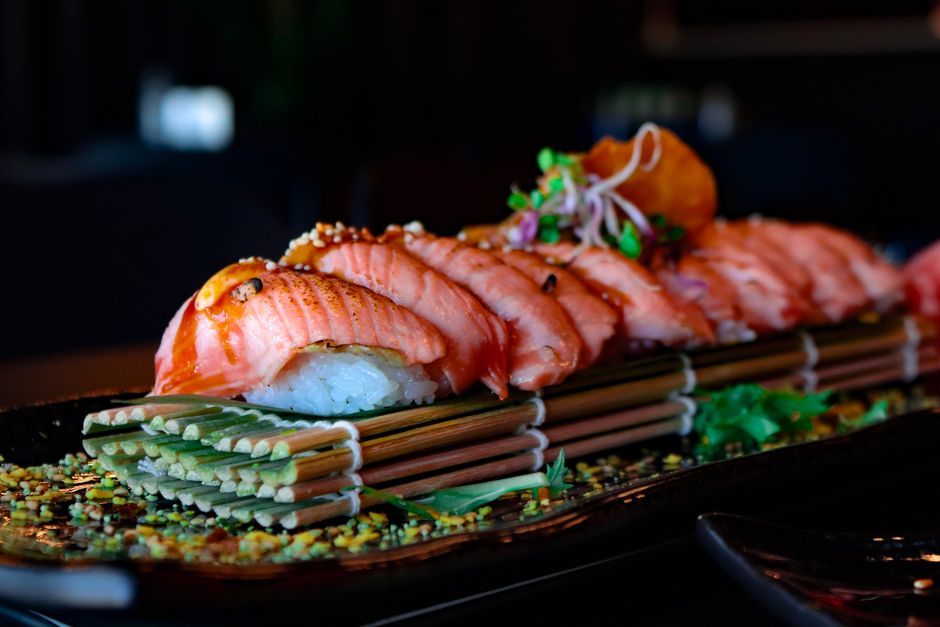
Coho salmon has a mild, clean taste that many people prefer over stronger-flavored salmon. It offers high levels of omega-3 fatty acids, protein, and B vitamins while containing fewer calories and less fat than king or sockeye salmon. Safety depends entirely on where the fish comes from — wild-caught Alaskan coho is a low-risk choice, while some farmed coho from open-net pens may carry higher contaminant levels.
What Does Coho Salmon Taste Like Compared to Other Salmon?
Coho salmon is not as rich as king salmon or as intensely flavored as sockeye. Its taste is mild, slightly sweet, and clean. The flesh is medium-firm with larger flakes when cooked. This makes it a good entry point for people who find other salmon varieties too fishy.
The fat content explains the difference. Coho has about 5 grams of fat per 3-ounce serving. King salmon has roughly 10 grams. Sockeye sits in the middle. Less fat means a lighter mouthfeel and a less oily finish.
Color is another clue. Coho flesh ranges from light pink to orange-red. It is paler than sockeye’s deep red. This does not affect flavor but it signals the lower astaxanthin content — the natural antioxidant that gives salmon its color.
Many chefs prefer coho for grilling or broiling because it holds its shape well. It does not fall apart as easily as softer, fattier fish. The mild taste also pairs with a wider range of sauces and seasonings without being overpowered.
Is Coho Salmon Nutritionally Better Than Other Salmon?
Nutrition depends on what you compare it to. Coho is leaner than most Pacific salmon. A 3-ounce cooked portion of wild coho provides about 20 grams of protein and 125 calories. That is roughly the same protein as sockeye but with 40 fewer calories.
Omega-3 content is still very good. Research from the USDA shows wild coho provides about 1,000 milligrams of EPA and DHA per 3-ounce serving. This meets the American Heart Association’s recommended weekly intake in just two servings. It is lower than king salmon but still higher than most fish.
Coho is also a strong source of selenium, vitamin B12, niacin, and phosphorus. Selenium supports thyroid function and acts as an antioxidant. B12 is essential for nerve health. These nutrients are present at similar levels across all wild Pacific salmon species.
The lower fat content means slightly less vitamin D compared to fattier salmon. But coho still provides about 400 IU per serving, which is 50 percent of the daily recommended intake for most adults.
One overlooked point: leaner salmon like coho may be better for people watching their total calorie intake while still wanting the anti-inflammatory benefits of omega-3s. You get the same protein and similar omega-3s with fewer calories.
Is Coho Salmon Safe to Eat? What About Mercury and Contaminants?
Wild coho salmon from Alaska is one of the safest fish you can eat. The Alaska Department of Environmental Conservation tests fish regularly. Their data shows very low mercury levels — typically 0.02 parts per million. That is well below the FDA limit of 1.0 ppm.
For context, canned light tuna averages 0.12 ppm. Albacore tuna averages 0.35 ppm. Coho salmon is among the lowest-mercury fish available. The EPA classifies it as a “best choice” for pregnant women and children.
PCBs and dioxins are a different story. Wild coho has very low levels of these industrial pollutants. A study published in Environmental Research found that wild Alaskan salmon had PCB levels 10 to 20 times lower than farmed Atlantic salmon from open-net pens.
Farmed coho is more complicated. Some closed-containment systems in Canada and Norway produce coho with contaminant levels close to wild fish. But open-net pen operations allow pollutants from feed and waste to accumulate. Farmed coho from these systems may have higher PCB levels, though still within FDA safety limits.
The safest choice is wild-caught Alaskan coho. If you buy farmed, look for land-based recirculating aquaculture systems or fish certified by the Aquaculture Stewardship Council.



How Does Wild Coho Compare to Farmed Coho?
| Factor | Wild Coho (Alaska) | Farmed Coho (Open Net Pen) |
|---|---|---|
| Calories (3 oz) | 125 | 160 |
| Total Fat | 5 g | 9 g |
| Omega-3s | ~1,000 mg | ~1,200 mg |
| Mercury | 0.02 ppm | 0.03 ppm |
| PCBs | Very low | Moderate to low |
| Color | Natural pink-orange | Often from added astaxanthin |
| Price per pound | $12–$18 | $8–$12 |
Wild coho costs more but has a cleaner environmental and contaminant profile. Farmed coho is cheaper and often available year-round. The omega-3 difference is small enough that it should not drive your decision.
Farmed coho from land-based systems is a newer option. These operations recycle water and control feed. Their contaminant levels can match wild fish. The price is currently higher than open-net farmed coho.
How Should You Cook Coho Salmon for Best Taste?
Coho’s lower fat content means it can dry out faster than king or sockeye. The key is not overcooking. Cook to an internal temperature of 125°F to 130°F. The fish will continue cooking after you remove it from heat.
Grilling works well because the high heat creates a crust while keeping the inside moist. Brush with oil and season simply with salt, pepper, and lemon. Cook skin-side down for most of the time. Flip only once.
Pan-searing is another good method. Use medium-high heat with a small amount of oil. Cook skin-side down for 4 to 5 minutes. Flip and cook for 2 more minutes. The skin should be crispy.
Baking at 375°F for 12 to 15 minutes works for fillets. Check doneness by looking for flaking. The flesh should separate easily with a fork but still look moist.
Avoid boiling or poaching coho. The mild flavor can get lost in liquid. The texture also becomes less appealing compared to fattier salmon varieties.
One common mistake is marinating too long. Coho’s mild flavor absorbs marinades quickly. Twenty minutes is enough. Longer marinating with acidic ingredients like lemon juice can break down the flesh and make it mushy.
What Are Common Misconceptions About Coho Salmon?
Some people think lighter color means lower quality. This is false. The color of wild coho varies by diet and region. A lighter fillet can be just as fresh and nutritious as a darker one.
Another misconception is that all farmed salmon is unsafe. This is an oversimplification. Some farmed coho from closed systems has contaminant levels comparable to wild fish. The problem is mostly with open-net pens and poorly regulated operations.
People also assume coho is not as healthy because it has less fat. That misses the point. Coho still provides excellent omega-3 levels. The lower calorie count makes it a practical choice for regular consumption, especially for people managing their weight.
A third myth is that frozen coho is inferior to fresh. This is not true for most commercially available fish. Coho caught in Alaska is often flash-frozen on the boat within hours. This preserves nutrients and prevents spoilage. “Fresh” fish in a grocery store may have been stored on ice for over a week.
How Can You Tell If Coho Salmon Is Fresh?
Fresh coho should smell like the ocean, not fishy. A strong fishy odor means it is past its prime. The flesh should be firm and spring back when pressed. If your finger leaves an indent, the fish is old.
Look at the color. Wild coho ranges from light pink to orange-red. The color should be even. Brown spots or dull patches indicate oxidation or age.
The eyes of a whole fish should be clear and bulging, not cloudy or sunken. The gills should be bright red, not brown or gray.
For frozen coho, check for freezer burn. White or gray patches on the surface mean the fish has been exposed to air. The texture will be dry and the flavor degraded. Avoid packages with ice crystals inside, which suggest temperature fluctuations during storage.
Vacuum-sealed frozen coho from reputable brands is usually a safe bet. Look for a sell-by date and check that the package is intact with no leaks.
Frequently Asked Questions
Is coho salmon good for weight loss?
Yes. Coho is lower in calories than other salmon while still providing high protein and omega-3s, which support satiety and metabolism.
Can you eat coho salmon raw?
Yes, if it is sushi-grade and handled properly. Wild coho is commonly used in sashimi and poke bowls when sourced from reputable suppliers.
Does coho salmon have more mercury than other fish?
No. Coho has among the lowest mercury levels of any fish, typically 0.02 ppm, making it a safe choice for frequent consumption.
Is farmed coho salmon safe to eat?
Most farmed coho is safe, but quality varies. Land-based farmed coho has lower contaminant levels than open-net pen farmed salmon.
