
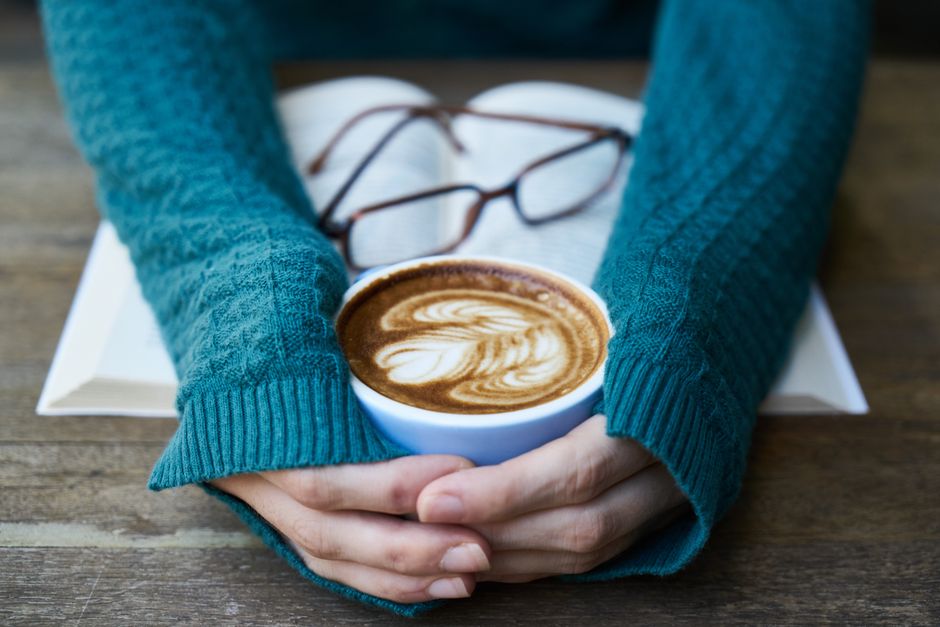
A cappuccino is a coffee drink. The main ingredients are espresso, steamed milk, and milk foam. Espresso is coffee. So yes, coffee is in a cappuccino. It is the base of the drink. In fact, a true cappuccino is built on a single or double shot of espresso. Without the espresso, you just have hot milk and foam.
What Exactly Is Espresso?
Espresso is a concentrated form of coffee. It is made by forcing hot water under high pressure through finely ground coffee beans. The result is a small, strong shot with a layer of creamy foam on top called crema.
This is important because espresso is not a different bean. It is the same coffee bean you would use for a regular drip brew. The difference is the brewing method. The high pressure and fine grind create a stronger flavor and a thicker texture than standard brewed coffee.
When you order a cappuccino, the barista pulls a shot of espresso first. That shot is the coffee component. Everything else in the cup is dairy or a milk alternative.
How Much Coffee Is in a Cappuccino?
A standard cappuccino contains one or two shots of espresso. A single shot of espresso is typically about 1 ounce (30 milliliters). A double shot is about 2 ounces (60 milliliters).
The total caffeine content depends on the beans and the number of shots. A single shot of espresso generally contains around 63 milligrams of caffeine. A double shot has roughly double that amount. For comparison, an 8-ounce cup of brewed coffee usually contains between 80 and 100 milligrams of caffeine.
So a cappuccino is not a high-caffeine drink. It delivers less caffeine than a standard cup of drip coffee. The milk and foam add volume, but they do not add caffeine.
Is Coffee In Cappuccino the Same as Regular Coffee?
Yes and no. The coffee bean is the same. The beverage is different in concentration and flavor.
Regular brewed coffee is a lighter, larger drink. It is usually made by dripping hot water over ground coffee and letting it pass through a filter. The water is in contact with the grounds for several minutes. This extracts flavor slowly.
Espresso is much more concentrated. The water passes through the grounds in about 25 to 30 seconds under high pressure. This extracts different compounds from the bean. That is why espresso tastes bolder and more intense than drip coffee, even when made from the same beans.
When milk is added to espresso to make a cappuccino, the coffee flavor softens. The milk adds sweetness and fat, which balances the bitterness of the espresso. The result is a drink that tastes like coffee but is creamier and smoother than black coffee.




What Is the Difference Between a Cappuccino and a Latte?
Both drinks start with espresso. The difference is the ratio of milk to foam.
A cappuccino is made with equal parts espresso, steamed milk, and milk foam. This means the drink is about one-third espresso, one-third milk, and one-third foam. The foam is thick and dry. It sits on top of the drink like a cloud.
A latte is made with more steamed milk and less foam. It is usually one or two shots of espresso with a large amount of steamed milk and a thin layer of foam on top. The latte is a milkier, softer drink. The coffee flavor is more hidden in a latte than in a cappuccino.
There is also the flat white. It sits between the two. It has a double shot of espresso with steamed milk and a very thin layer of microfoam. It is stronger than a latte but smoother than a cappuccino.
Does a Cappuccino Count Toward Your Daily Coffee Intake?
Yes. A cappuccino contains coffee, so it counts toward your daily caffeine consumption.
Health guidelines generally suggest that up to 400 milligrams of caffeine per day is safe for most healthy adults. That is roughly four 8-ounce cups of brewed coffee. It is also roughly four or five double-shot cappuccinos, depending on the size.
One thing to keep in mind is that a cappuccino is not just coffee. It contains milk, which adds calories. A typical 8-ounce cappuccino made with whole milk has about 120 to 150 calories. A latte of the same size has slightly more because it contains more milk.
If you are watching calories, the milk matters more than the coffee. The espresso itself has almost no calories.
Are There Health Benefits to Drinking Cappuccino?
The coffee in a cappuccino carries the same health properties as other coffee drinks. Research consistently shows that moderate coffee consumption is linked to lower risks of certain conditions, including type 2 diabetes and liver disease. The evidence for these benefits is well established.
Coffee is also rich in antioxidants. These compounds help neutralize harmful molecules in the body called free radicals. The roasting process of coffee beans actually increases the antioxidant content in some cases.
However, the milk in a cappuccino changes the picture. Some research suggests that adding milk may reduce the availability of certain antioxidants in coffee. The effect is modest and the overall benefit of drinking coffee remains positive for most people.
There is no evidence that a cappuccino is healthier than black coffee. It is simply a different way to consume coffee. The main difference is the added calories and fat from the milk.
Can You Make a Cappuccino Without Espresso?
You can make a drink that looks like a cappuccino without a traditional espresso machine. But it will not be a true cappuccino.
Some people use instant coffee or strong brewed coffee as a substitute. They froth milk separately and pour it over the coffee. The result resembles a cappuccino in appearance, but the flavor is weaker. The concentrated nature of espresso is what gives a cappuccino its characteristic coffee punch.
There are also home machines that brew espresso-style coffee using pods or capsules. These are closer to real espresso than instant coffee. They produce a concentrated shot under pressure, though the quality varies by machine.
If you want a genuine cappuccino, the espresso base is essential. No shortcut fully replicates the taste and texture of a properly pulled espresso shot.
Is the Coffee in a Cappuccino Different by Region?
The coffee beans used for espresso vary by region and roaster. This changes the flavor of the cappuccino.
Italian cappuccinos are typically made with dark-roasted beans. The roast is bold and smoky. In the United States, many coffee shops use medium or medium-dark roasts. These tend to be slightly sweeter and less bitter.
The origin of the beans also matters. Beans from Brazil tend to be nutty and chocolatey. Beans from Ethiopia are often fruity and floral. A single-origin espresso will taste different from a blend.
None of this changes the answer to the core question. Coffee is in every cappuccino, regardless of where it is made. The bean variety and roast only change the flavor profile, not the fact that the drink contains coffee.
Frequently Asked Questions
Is a cappuccino stronger than regular coffee?
No. A cappuccino typically contains less caffeine than an equal-sized cup of brewed coffee. The milk dilutes the espresso, and the total caffeine is determined by the number of espresso shots used.
Can I drink a cappuccino if I am sensitive to caffeine?
A single-shot cappuccino contains about 63 milligrams of caffeine, which is less than a standard cup of brewed coffee. Ask for one shot instead of two to keep the caffeine lower.
Does a cappuccino have more coffee than a latte?
No. Both drinks use the same number of espresso shots. The difference is the milk-to-foam ratio, not the coffee content.
Is decaf coffee available in a cappuccino?
Yes. Most coffee shops offer decaffeinated espresso. A decaf cappuccino contains the same milk and foam but uses decaffeinated coffee beans.
