
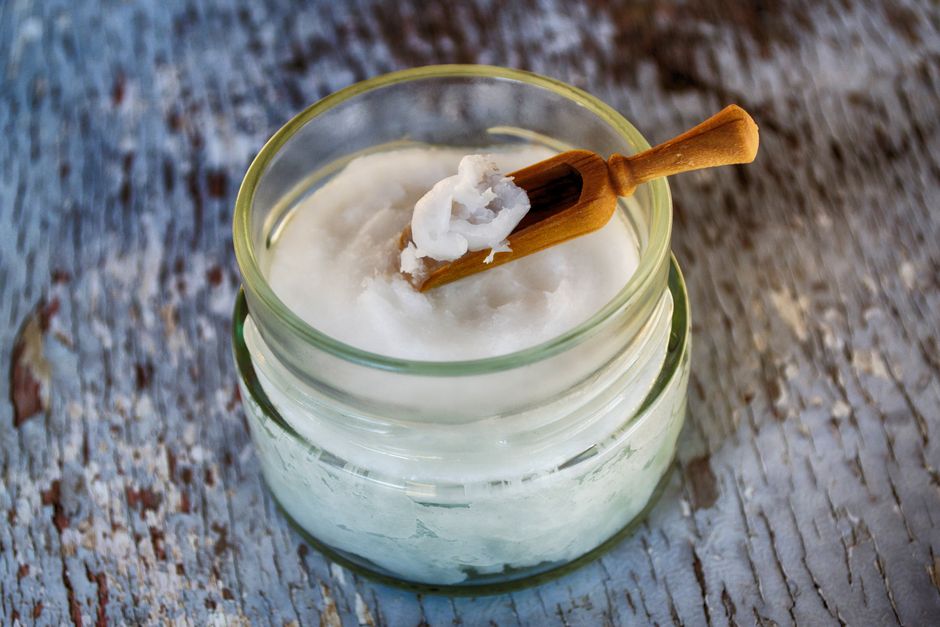
Coconut oil is a popular natural choice for baby hair, and the evidence supports its use as a gentle moisturizer and conditioner. When used correctly, it can help soften a baby’s hair and scalp, but it is not a treatment for medical conditions like cradle cap, and it carries some risks if used improperly.
What Does Coconut Oil Actually Do for Baby Hair?
Coconut oil works primarily as an emollient. It coats the hair shaft and scalp, which helps trap moisture in the skin and prevents water loss. This is why it can make a baby’s hair feel softer and look shinier.
Research has shown that coconut oil has a unique ability to penetrate the hair shaft better than many other oils. This is because its molecules are smaller and its structure is different from oils like mineral oil or sunflower oil. Some studies suggest this can reduce protein loss from hair, which keeps strands stronger.
For babies, this translates to simple benefits. It can help manage dry, flaky scalp skin that is not caused by an infection. It can also make tangled or wiry hair easier to comb and manage.
Is It Safe to Put Coconut Oil on a Baby’s Scalp?
For most healthy babies, coconut oil is safe to apply to the scalp in small amounts. It is a natural product, but “natural” does not automatically mean risk-free. The main concerns are allergic reactions and improper application.
True coconut allergies are rare but possible. Before using it on a baby’s entire head, test a small patch of skin on the inner arm or leg. Wait 24 hours to see if any redness, swelling, or rash develops. If the skin stays clear, it is likely safe for broader use.
The bigger risk is overuse. Parents often apply too much oil, which can clog the pores on a baby’s sensitive scalp. This can lead to a condition called folliculitis, which is an inflammation of the hair follicles. It looks like small red bumps and can be itchy or uncomfortable.
Another common mistake is leaving the oil on for too long without washing it off. Old oil mixed with dead skin cells can create a sticky layer that traps dirt and bacteria. This is not healthy for the scalp.
Is Coconut Oil Good for Cradle Cap?
Cradle cap is a common, harmless condition in infants. It causes greasy, yellow, or brown scaly patches on the scalp. It is not caused by poor hygiene or dry skin alone, and it is not an allergy to any product.
Coconut oil can be a helpful tool for managing cradle cap, but it does not cure it. The oil softens the crusty scales, making them easier to remove gently. The mechanism is purely physical: softened scales lift away from the scalp with gentle washing and brushing.
Here is what the evidence does not show: coconut oil does not treat the underlying cause of cradle cap. Cradle cap is believed to be related to overactive sebaceous glands responding to maternal hormones that remain in the baby’s system after birth.
If you use coconut oil for cradle cap, the correct method matters. Massage a small amount into the scalp and leave it on for 10 to 15 minutes. Then wash it out thoroughly with a mild baby shampoo and use a soft brush to loosen the flakes. Leaving the oil on for hours or overnight can worsen the condition by trapping dead skin.
If cradle cap looks red, oozes fluid, or spreads beyond the scalp, it may be an infection or a different skin condition. At that point, stop using oils and consult a pediatrician.





How Should You Apply Coconut Oil to Baby Hair?
Less is always more when it comes to a baby’s scalp. A pea-sized amount is usually enough for an entire head of hair. Warm the oil between your fingers first so it spreads evenly.
Focus on the ends of the hair and the scalp only if it is dry. Avoid the fontanelle, the soft spot on the top of the head, as this area is more sensitive. You do not need to rub it in forcefully. A gentle patting or smoothing motion is sufficient.
Timing matters. The best time to apply coconut oil is after a bath when the hair is damp. Damp hair absorbs the oil better than dry hair. Apply it and either rinse it out after a few minutes or leave a very thin layer in place.
If you leave it in, use a tiny amount. A visible greasy layer will make the hair attract dust and lint from the environment. This can irritate the scalp over time.
Wash frequency matters too. For most babies, washing hair once or twice a week with a mild baby shampoo is enough to remove old oil and buildup. Washing every day strips the natural oils and can make the scalp drier, which leads to a cycle of applying more product than needed.
What Are the Risks of Using Coconut Oil on Babies?
The risks are real but manageable. The most common issue is contact dermatitis. This is a skin reaction that causes redness, itching, or a rash where the oil was applied. It can happen even if the baby has used coconut oil before without problems. Skin sensitivity can develop over time.
Another risk is ingestion. Babies move their hands to their mouths constantly. If oil is on their hands or hair, they will likely get some in their mouth. Small amounts of food-grade coconut oil are generally harmless if swallowed. The concern is if large amounts are ingested, which could cause stomach upset or diarrhea.
There is also the risk of worsening existing conditions. If a baby has eczema on the scalp, coconut oil may or may not help. Some dermatologists recommend it for mild eczema because it is moisturizing. Others caution that oils can trap heat and worsen inflammation in some cases. The evidence is mixed, and what works for one baby may not work for another.
Never apply coconut oil to broken or bleeding skin. Open skin allows the oil to enter deeper layers, which increases the risk of irritation and infection.
One more serious risk involves aspiration. Never apply oil near a baby’s face, nose, or mouth. If oil drips into the nose or mouth, it can be inhaled into the lungs. This can cause a type of pneumonia called lipoid pneumonia, which is a serious condition requiring medical treatment.
Is There a Better Alternative to Coconut Oil?
Coconut oil is not the only option. Several alternatives are available, and the best choice depends on the baby’s specific skin type.
Jojoba oil is a popular alternative because its structure is very close to human sebum, the natural oil the skin produces. It is lighter than coconut oil and absorbs quickly without leaving a greasy film. Some parents find it works better for babies with fine, thin hair.
Shea butter is another option. It is thicker and more moisturizing than coconut oil. It works well for very dry scalps but is harder to wash out. It can leave buildup if used too frequently.
Unscented baby lotion is a simpler choice. Commercial baby lotions are formulated specifically for infant skin and are tested for safety. They often contain ceramides and other ingredients that support the skin barrier better than plain oils.
Mineral oil, which is a byproduct of petroleum, is sometimes recommended by dermatologists for cradle cap. This surprises many parents. However, mineral oil is highly refined, does not go rancid, and is very effective at softening scales. It has a long safety record in clinical use.
The honest answer is that no single oil is superior for all babies. Coconut oil has the most research behind it for hair penetration, but that research was mostly done on adult hair, not infant hair. For a baby’s scalp, the barrier function of the skin matters more than the hair shaft chemistry.
When Should You See a Doctor About Baby Hair or Scalp Issues?
Some scalp issues require medical attention. Coconut oil will not fix them, and delaying care can make things worse.
See a pediatrician if the scalp has open sores, bleeding, or yellow crusting that oozes. These signs suggest a bacterial or fungal infection that requires prescription treatment.
See a doctor if the hair is falling out in patches. This is not normal shedding. It can indicate a fungal infection called tinea capitis or a condition called alopecia areata. Both require professional diagnosis.
Consult a doctor if the scalp rash does not improve after two weeks of gentle care with oil and mild shampoo. Persistent rashes can indicate seborrheic dermatitis that needs a medicated shampoo or a topical steroid.
Also seek medical advice if the baby seems uncomfortable. Excessive scratching, crying during hair washing, or pulling at the hair can all signal that the scalp is painful or itchy beyond what normal dryness would cause.
Parents should trust their instincts. If something looks wrong and home care is not helping, a medical opinion is always the right step.
Frequently Asked Questions
Can coconut oil make cradle cap worse?
Yes, if it is left on too long. Leaving oil on the scalp for hours traps dead skin cells and can make the scales thicker.
How often should I put coconut oil in my baby’s hair?
Once or twice a week is enough for most babies. Using it daily can clog pores and cause buildup on the scalp.
What kind of coconut oil is best for baby hair?
Organic, unrefined, cold-pressed coconut oil is the most commonly recommended type. It has fewer processing steps and no added chemicals.
Can I leave coconut oil in my baby’s hair overnight?
No, this is not recommended. A 10 to 15 minute application before washing is safer and just as effective for softening flakes.
