
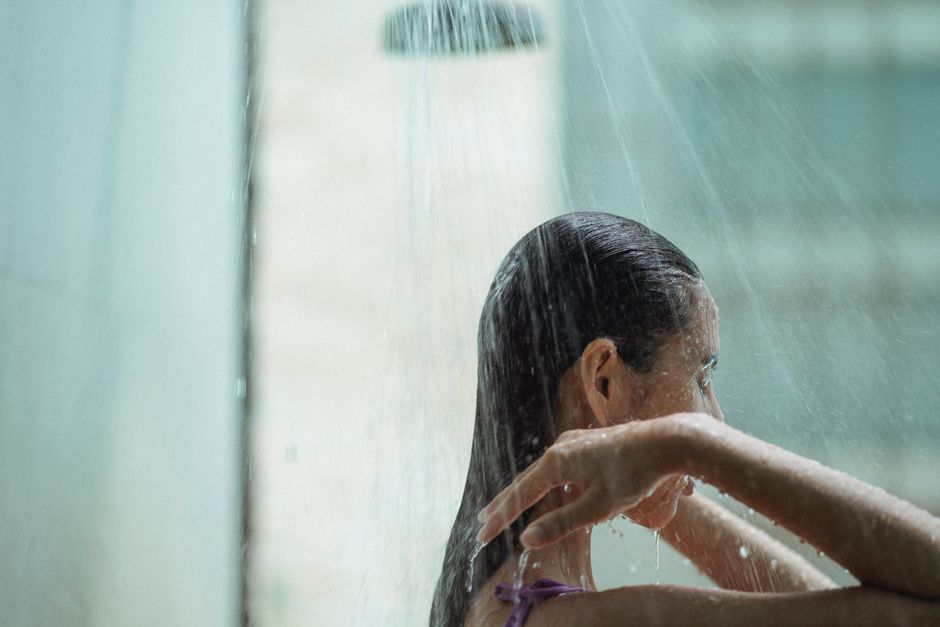
Argan oil is not bad for hair. It is a plant oil pressed from the kernels of the argan tree, and it has a long history of use as a cosmetic oil for skin and hair. Used on the outside of the hair, it can add shine and reduce frizz, and it is generally well tolerated by most people. It is not a treatment for hair loss, and it will not repair hair that is already broken or split.
What Is Argan Oil and Where Does It Come From?
Argan oil comes from the fruit of the argan tree, which grows mainly in Morocco. The kernels inside the fruit are pressed to release the oil. This is labor-intensive work, which is one reason argan oil tends to cost more than many other plant oils.
The oil is roughly 80 percent unsaturated fatty acids, with oleic acid and linoleic acid making up most of that. It also contains vitamin E and other naturally occurring antioxidant compounds. These are the components most often cited when argan oil is described as nourishing for hair and skin.
There is an important distinction between cosmetic argan oil and culinary argan oil. The cosmetic version is typically pressed from unroasted kernels and used on skin and hair. The culinary version is made from roasted kernels and is used as a food oil. They are not interchangeable in practice.
Is Argan Oil Bad For Hair Benefits And Side Effects?
For most people, argan oil is not bad for hair. It is a cosmetic oil, meaning it works on the surface of the hair shaft rather than changing anything inside the follicle. That distinction matters, because it shapes what the oil can and cannot do.
The outer layer of a hair strand is called the cuticle. It is made of overlapping scales. When the cuticle is smooth and lies flat, hair reflects light and looks shiny. When it is roughened or lifted, hair looks dull and feels rough. An oil like argan oil can coat the surface, fill in small gaps between the scales, and make the cuticle feel smoother. That is a real, measurable cosmetic effect.
What argan oil cannot do is rebuild the internal structure of the hair. Hair is not living tissue once it leaves the follicle. A split end cannot be sealed back together in any permanent way. Products that claim to “repair” split ends are, at best, temporarily gluing the two sides together until the next wash.
Side effects are uncommon but possible. Some people develop irritation, itching, or a rash after applying argan oil, particularly those with sensitive skin or a tendency toward contact dermatitis. If you have a known nut allergy, it is reasonable to be cautious, though argan is a seed oil rather than a true tree nut in the botanical sense. If you are unsure, patch test on a small area of skin first.
The most common practical complaint is not a health problem at all. It is that too much oil makes hair look greasy and weighed down. A few drops is usually plenty for most hair lengths.
Does Argan Oil Help With Hair Growth or Hair Loss?
No clinical evidence currently confirms that argan oil grows hair or treats hair loss. This is the single most important thing to understand about it.
Hair loss has many causes. Androgenetic alopecia (pattern hair loss) is driven by genetics and hormones. Telogen effluvium is a temporary shedding phase often triggered by illness, stress, or nutritional deficiency. Alopecia areata is an autoimmune condition. Each has a different mechanism, and none of them is addressed by applying oil to the surface of the hair.
Argan oil may make existing hair look healthier and feel softer. That can give the impression of fuller hair. But appearance is not the same as regrowth. Marketing that implies otherwise is not supported by the evidence.
If you are losing hair, the useful step is figuring out why. A doctor can help distinguish between the different causes. Some forms of hair loss respond to specific treatments, and those treatments are not oils.


What Are the Real Benefits of Argan Oil For Hair?
The benefits that hold up are cosmetic and surface-level, but they are genuine.
- Shine. Coating the hair shaft increases light reflection, which reads as gloss.
- Frizz control. Oil reduces the friction and static that cause hair to lift and separate.
- Softer feel. The cuticle feels smoother to the touch.
- Less breakage during styling. Some lubrication can reduce the mechanical friction of combing or brushing, which may mean less snapping of fragile hair.
- Scalp moisture. Applied to the scalp, oil can reduce dryness and flaking, though it does not treat the underlying cause of dandruff.
These effects are temporary. They last until the next wash. That is not a flaw — it is simply what a surface oil does. The same is true of most hair oils, including coconut, jojoba, and argan.
How Does Argan Oil Compare to Other Hair Oils?
Argan oil is one option among many. The differences between hair oils are mostly about how heavy they feel and how well they penetrate.
| Oil | General feel | Common use |
|---|---|---|
| Argan | Light to medium | Finishing, shine, frizz control |
| Coconut | Heavier | Pre-wash treatment; some evidence it penetrates the shaft |
| Jojoba | Light | Scalp and hair; chemically similar to scalp sebum |
| Castor | Very heavy, sticky | Often used on scalp; difficult to wash out |
Coconut oil is the one with the most research behind it for hair. Studies suggest it can reduce protein loss from hair during washing, which is a meaningful structural benefit that argan oil has not been shown to provide. That does not make argan oil bad — it just means the two oils do different things.
If your goal is shine and manageability, argan oil is a reasonable choice. If your goal is reducing damage from washing and styling, coconut oil has stronger evidence behind it.
How Should You Use Argan Oil on Hair?
Less is more. Start with two or three drops, rub them between your palms, and work through the mid-lengths and ends. Avoid the roots unless your scalp is very dry.
Applying to damp hair tends to distribute the oil more evenly than applying to dry hair. Applying to dry hair gives more immediate shine but can look greasy faster.
If you use it as a pre-wash treatment, leave it on for a while, then shampoo it out. Argan oil is relatively easy to wash out compared to heavier oils like castor.
No clinical guidelines exist for how often to use argan oil on hair. There is no established dose or schedule. The right frequency is whatever leaves your hair looking the way you want without buildup.
Who Should Be Careful With Argan Oil?
Most people can use argan oil without issue. A few groups should be more cautious.
People with sensitive skin or a history of contact dermatitis may react to argan oil or to other ingredients in a blended product. Patch testing on the inner forearm before applying to the scalp is a reasonable precaution.
People with a known nut or seed allergy should be cautious, particularly the first time. Argan is botanically a seed oil, but reactions have been reported.
People with seborrheic dermatitis or an oily, flaky scalp may find that adding oil makes the scalp feel worse rather than better. Oil can feed the yeast involved in seborrheic dermatitis in some cases, though the evidence on this is not definitive.
If you are pregnant or breastfeeding, there is no specific safety concern with topical argan oil, but no clinical guidelines exist for this population either. Ask your doctor if you are unsure.
Pure argan oil is generally considered low-risk for topical use. The bigger risk is usually the other ingredients in a product — added fragrance, preservatives, or silicones — not the argan oil itself.
Does Argan Oil Clog Pores or Cause Acne?
Argan oil is generally considered low on the comedogenic scale, meaning it is unlikely to clog pores for most people. Its oleic acid content is moderate, and it is not among the oils most strongly associated with breakouts.
That said, individual skin varies. Some people break out from oils that are considered non-comedogenic. If you are acne-prone and applying argan oil to your scalp or hairline, watch for changes and stop if you notice new breakouts.
Frequently Asked Questions
Is argan oil bad for your hair?
No, argan oil is not bad for hair for most people. It is a cosmetic oil that adds shine and reduces frizz, though it does not repair damaged hair or treat hair loss.
Can argan oil regrow hair?
No clinical evidence currently confirms that argan oil regrows hair or treats hair loss. If you are losing hair, a doctor can help identify the cause and whether a proven treatment is appropriate.
Does argan oil repair split ends?
No, argan oil cannot permanently repair split ends. It can temporarily smooth the appearance of the hair surface, but the only way to remove a split end is to trim it.
Can argan oil cause hair loss?
There is no evidence that argan oil causes hair loss. Some people may experience scalp irritation or an allergic reaction, which is different from hair loss itself.
