
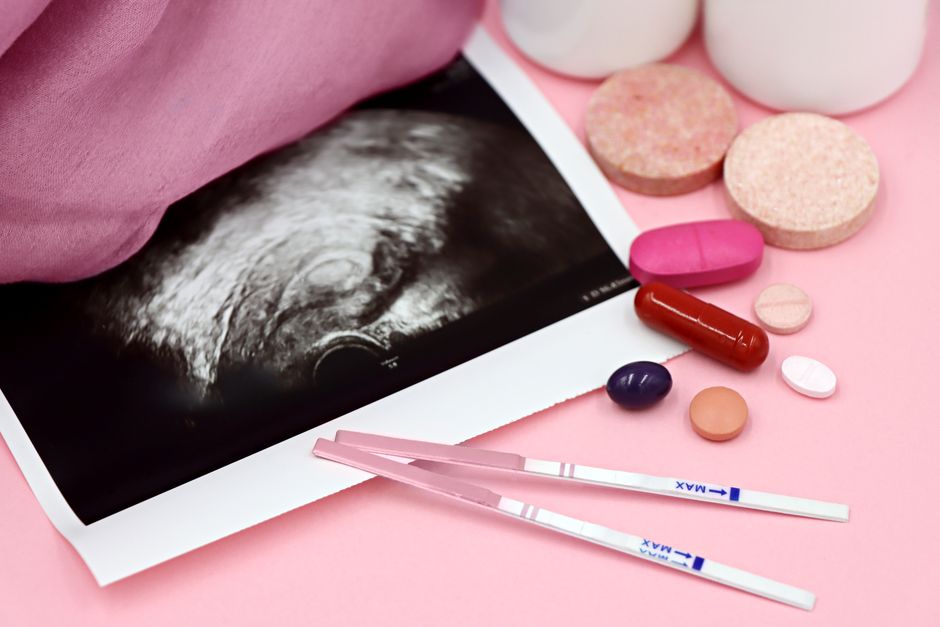
If you are trying to conceive and wondering whether that CBD gummy or tincture could be working against you, the short answer is: we do not have enough human data to say CBD is safe for fertility, and there is real reason for caution. No large human trials have tracked sperm or hormone changes in people who use CBD regularly. What we do know comes mostly from animal studies and from how CBD interacts with the same biological systems that run reproduction. That is enough to justify taking the question seriously.
Is CBD Bad for Fertility Effects on Hormones and Sperm?
CBD has not been proven to cause infertility in humans, but it has also not been proven safe for people trying to conceive. The honest position is that the evidence is thin and leans toward concern rather than reassurance.
The core issue is that CBD does not act on one isolated pathway. It interacts with the endocannabinoid system, a signaling network that helps regulate the hypothalamus, pituitary gland, and gonads — the three-part system that controls sex hormone production and sperm formation. When you introduce a plant compound that touches that network, you are not just calming anxiety. You may be nudging a system that is finely tuned.
Most of what we know about CBD and fertility comes from animal research. Rodent studies have generally found that high doses of CBD can reduce testosterone levels, disrupt the estrous cycle in females, and lower sperm counts and motility in males. These are not trivial findings. But mice are not people, and the doses used in many studies are higher than what a typical user takes. That gap matters, and it is why no one can tell you with confidence what a daily 25 mg dose does to human fertility over months or years.
How Does CBD Affect Male Fertility and Sperm?
In animal studies, CBD exposure has been linked to lower sperm count, reduced sperm motility, and more sperm with abnormal shape. These effects appear to be dose-related in rodents. The higher the dose, the more pronounced the changes.
There are several plausible mechanisms. CBD can influence the hypothalamus and pituitary, which send the signals that tell the testes to produce testosterone and sperm. If those signals shift, sperm production can suffer. CBD also has mild anti-androgenic activity in some experimental models, meaning it may interfere with testosterone’s ability to do its job. And because sperm are highly sensitive to oxidative stress, any compound that alters the cellular environment of the testes could affect sperm quality.
What we do not have is a single well-controlled human study showing that CBD at typical consumer doses changes sperm parameters. That absence of evidence is not proof of safety. It simply means the research has not caught up with the market. Some clinicians who work in reproductive medicine are already advising patients to stop CBD and cannabis products while trying to conceive, based on the precautionary principle rather than on definitive human data.
If you are already using CBD and have concerns about sperm health, a semen analysis is the only way to know where you stand. It measures count, motility, and morphology — the three parameters most commonly affected in animal studies.
Does CBD Change Testosterone Levels?
Some animal research suggests CBD can lower testosterone, but the human picture is murky. A small number of human studies on cannabis (not CBD alone) have shown mixed results — some found lower testosterone, others found no difference. CBD isolates have not been studied enough in men to draw a firm conclusion.
Testosterone is not just a fertility hormone. It affects mood, energy, muscle mass, and libido. If CBD did meaningfully suppress testosterone, you might notice low sex drive or fatigue. But most people using CBD at typical doses are unlikely to experience dramatic hormonal shifts. The concern is more about subtle, cumulative effects over time — especially in someone who is already on the lower end of the normal range.
There is also the question of product quality. CBD is loosely regulated in the US. Some products contain less CBD than the label claims, and some contain traces of THC, the psychoactive compound in cannabis. THC has its own documented effects on fertility and hormone levels. If a “CBD” product is contaminated with THC, you may be getting a different exposure than you think.


What About CBD and Female Fertility?
Female fertility research on CBD is even sparser than male research. Animal studies have found that CBD can disrupt the estrous cycle — the rodent equivalent of the menstrual cycle — and may interfere with ovulation. Whether those findings translate to humans is unknown.
The endocannabinoid system plays a role in ovulation, implantation, and early pregnancy. That means any compound that alters it could theoretically affect a woman’s ability to conceive or carry a pregnancy. But “theoretically” is doing a lot of work in that sentence. We do not have human studies showing that CBD delays conception or causes miscarriage.
What we do have is a clear reason for caution during pregnancy. The FDA advises against CBD use during pregnancy and breastfeeding. That guidance is based on the absence of safety data, not on proven harm. But when the stakes are a developing fetus, absence of data is itself a reason to avoid.
For women trying to conceive, the same uncertainty applies. No clinical guidelines currently exist for CBD use in this population. If you are undergoing fertility treatment, tell your doctor about any CBD or cannabis use. They need the full picture to interpret your results and adjust your plan.
Is CBD Oil Safer Than Smoking Weed for Fertility?
CBD oil is not automatically safer for fertility than smoked cannabis. The route of delivery changes what your body absorbs and how fast, but the active compounds still reach the same systems.
Smoked cannabis delivers THC and CBD rapidly to the bloodstream. CBD oil taken orally is absorbed more slowly and inconsistently — sometimes only a fraction of the dose reaches circulation. That might mean lower exposure. But it also means you cannot easily predict how much you are getting.
Both THC and CBD have shown effects on sperm and hormones in animal studies. THC has been studied more in humans, and the evidence there is stronger: heavy cannabis use is associated with lower sperm counts and altered hormone levels in some men. CBD’s human data is weaker, but that does not make it benign.
If your goal is to minimize risk while trying to conceive, the most cautious approach is to avoid both. If you are using CBD for a medical reason, talk to your doctor about whether the benefit outweighs the unknown fertility risk.
What Should You Do If You Are Trying to Conceive?
Stop CBD and cannabis products before you start trying, if you can. That is the advice some reproductive specialists give, not because harm is proven, but because the evidence is too thin to rule it out.
Here is what we know with more confidence:
- Alcohol, smoking, and recreational drug use can all affect fertility. These are better established risks than CBD.
- Weight, diet, exercise, and sleep all influence sperm and egg quality.
- Timing matters. Sperm take about 74 days to mature, so changes you make now may not show up in a semen analysis for several months.
- If you have been trying for a year (or six months if you are over 35), a fertility evaluation is reasonable regardless of CBD use.
If you are using CBD for anxiety, sleep, or pain, ask your doctor about alternatives that have been studied in pregnancy and fertility contexts. Some options — like cognitive behavioral therapy for anxiety or specific sleep hygiene strategies — have better evidence and no known fertility risk.
The bottom line is not that CBD is proven dangerous. It is that we do not know enough, and the systems it touches are too important to guess about. When the evidence is this limited, caution is not fear-mongering. It is just honest.
Frequently Asked Questions
Does CBD lower sperm count?
Animal studies suggest high doses of CBD can lower sperm count, but no human studies have confirmed this at typical consumer doses. The evidence is not strong enough to say CBD definitely lowers sperm count in men.
Can I use CBD while trying to get pregnant?
No clinical guidelines exist for CBD use while trying to conceive, and the FDA advises against CBD during pregnancy. The safest approach is to avoid it until more human data is available.
Does CBD affect testosterone?
Some animal research suggests CBD may lower testosterone, but human data is limited and mixed. We do not know whether typical CBD doses meaningfully change testosterone levels in men.
Is CBD oil safer than smoking weed for fertility?
CBD oil is not proven safer for fertility than smoked cannabis. Both contain compounds that interact with the endocannabinoid system, which helps regulate reproduction.
