
What Makes Caribbean Food Healthy?
The foundation of many Caribbean meals is surprisingly aligned with standard nutritional advice. Rice and peas, for example, combines a grain with a legume, creating a complete protein profile that is high in fiber and plant-based protein. This combination helps with blood sugar control and provides lasting energy.
Root vegetables are a major part of the diet. Yams, sweet potatoes, cassava, and dasheen (taro) are rich in complex carbohydrates, potassium, and fiber. These are slower-digesting starches compared to white bread or refined rice, which means they keep you fuller for longer and provide a steadier release of energy.
Fresh seafood is also a staple in island nations. Grilled fish, conch, and shrimp offer lean protein and omega-3 fatty acids, which support heart health. When fish is grilled or steamed rather than fried, it is one of the healthiest protein sources available anywhere.
Fruits are abundant and often eaten fresh. Mangoes, papayas, guavas, and soursop provide vitamins A and C, antioxidants, and digestive enzymes. These are whole-food sources of sugar, meaning the fiber in the fruit slows absorption and prevents the blood sugar spike you would get from fruit juice or refined sweets.
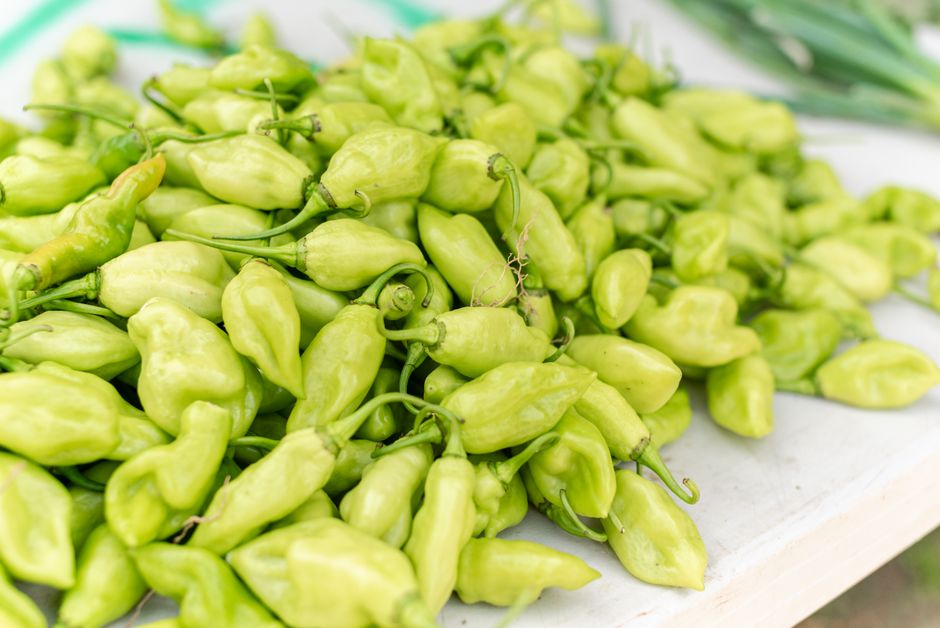
The use of fresh herbs and aromatics is another advantage. Thyme, scallions, garlic, ginger, and scotch bonnet peppers add deep flavor without relying on heavy sauces. Garlic and ginger specifically have documented anti-inflammatory properties, though the amounts used in cooking are not medicinal doses.
The Drawbacks: Salt, Oil, and Coconut Milk
The main health risks in Caribbean cooking come from preparation methods, not the base ingredients. Frying is common. Fried plantains, fried dumplings, and fried fish are delicious but significantly increase the calorie and fat content of a meal. A boiled green banana has about 100 calories. The same banana fried in oil can easily double that number.
Salt is a serious concern. Saltfish (salted cod) is a traditional ingredient that is preserved with heavy amounts of sodium. Even after soaking and boiling, it retains high salt levels. Additionally, many dishes use stock cubes and seasoning salts that are primarily sodium. For someone with high blood pressure or at risk for it, a single traditional meal can contain a full day’s worth of sodium.
Coconut milk is another double-edged sword. It is a staple in rice and peas, callaloo, and many curries. Coconut milk is high in saturated fat. While the medium-chain triglycerides in coconut have been studied for various health effects, the evidence does not support the idea that large amounts are harmless. For heart health, regular consumption of full-fat coconut milk adds significant saturated fat to the diet.
Portion sizes also play a role. Traditional Caribbean meals are often served generously, with a protein, a starch, and a vegetable side. When the protein is fried and the starch is a heavy provision, the plate can easily exceed 1,000 calories.
Is Caribbean Food Healthy Benefits And Drawbacks: The Balance
The honest answer to whether Caribbean food is healthy is that it can be, but it requires selection. A meal of grilled jerk chicken, boiled green bananas, steamed callaloo, and a side of fresh mango is an excellent nutritional profile. The same meal with fried chicken, rice and peas cooked in full coconut milk, fried plantains, and saltfish fritters is a different story entirely.
The healthiest traditional dishes are often the simplest ones. Pepperpot soup, which is a slow-cooked stew of leafy greens and meat or fish, is nutrient-dense and low in unhealthy fats. Steamed fish with okra and tomatoes provides lean protein and vegetables. Brown stew chicken, when the skin is removed and the gravy is skimmed, can be a reasonable protein source.
The least healthy options are the fried street foods and the heavy holiday dishes. Doubles, which are fried flatbreads filled with curried chickpeas, are a beloved street snack but are calorie-dense. Festival, a sweet fried dumpling, is essentially a dessert disguised as a side dish. These are fine as occasional treats but should not be mistaken for everyday health foods.
The cultural context matters too. Caribbean meals are often social events, shared with family and friends. The health value of a meal is not only its nutrient content but also its role in community and mental well-being. Eating a traditional meal with loved ones has real psychological benefits that a nutrition label cannot capture.




How to Make Caribbean Food Healthier at Home
You do not need to abandon Caribbean food to eat healthily. Several small changes can significantly improve the nutritional profile of traditional dishes.
First, reduce the salt. Use fresh herbs, citrus juice, and hot peppers to add flavor instead of seasoning salt or stock cubes. If you use saltfish, soak it overnight and change the water several times to draw out the sodium.
Second, change the cooking method. Grill, bake, or steam instead of frying. Jerk chicken is traditionally grilled or smoked, which is naturally healthy. Roasting provisions in the oven with a small amount of olive oil achieves a similar texture to frying without the excess oil.
Third, be selective with coconut milk. Use light coconut milk or reduce the amount by half. For rice and peas, you can use more water and less coconut milk while keeping the flavor. The dish remains traditional, just less saturated in fat.
Fourth, increase the vegetable content. Callaloo, which is made from leafy greens like amaranth or taro leaves, is highly nutritious. Adding more steamed or sautéed vegetables to every plate naturally displaces some of the heavier starches.
Fifth, watch the portions of provision. Root vegetables are healthy, but they are still carbohydrates. A serving should be about the size of your fist. The protein portion should be about the size of your palm.
What About the Sugar?
Caribbean desserts and drinks are often very high in sugar. Sweetened condensed milk is a common ingredient in desserts and coffee drinks. Sorrel, a popular holiday drink made from hibiscus, is often heavily sweetened. Rum punch and other cocktails contain significant sugar from fruit juices and syrups.
The fruit itself is not the problem. The problem is added sugar in drinks and desserts. A glass of fresh fruit juice contains the sugar of several whole fruits without the fiber. For blood sugar management, eating the whole fruit is always better than drinking the juice.
Traditional candies and pastries, like sugar cake and coconut drops, are essentially concentrated sugar with some coconut. These are treats, not health foods. Enjoy them occasionally without pretending they are nutritious.
Evidence on the Caribbean Diet and Health Outcomes
Research on Caribbean dietary patterns is somewhat limited compared to studies on Mediterranean or Asian diets. However, some studies indicate that populations in the Caribbean have high rates of hypertension and type 2 diabetes. While genetics play a role, the high sodium and high sugar content of many modern diets in the region are contributing factors.
Some research suggests that traditional diets, which were higher in fiber and lower in processed foods, were associated with better metabolic health. The shift toward more processed and fried foods in recent decades has coincided with rising rates of chronic disease. This is a pattern seen globally, not unique to the Caribbean.
The evidence does not support any single “Caribbean superfood” that prevents disease. No study has confirmed that any specific local fruit or herb provides miraculous health benefits. The health value comes from the overall pattern of eating: whole foods, plant-based ingredients, and moderate portions.
Frequently Asked Questions
Is rice and peas healthy?
Rice and peas can be healthy when made with moderate coconut milk and served in a reasonable portion. The combination of rice and beans provides complete protein and fiber, but the saturated fat from coconut milk and the total carbohydrate load should be considered.
What is the healthiest Caribbean food to eat?
Grilled fish, steamed callaloo, boiled green bananas, and pepperpot soup are among the healthiest options. These dishes are high in vegetables and lean protein with minimal added salt and oil.
Is jerk chicken good for you?
Jerk chicken can be healthy when the skin is removed and it is grilled rather than fried. The marinade is made from herbs, spices, and peppers, which adds flavor without significant calories or unhealthy fats.
Can I eat Caribbean food if I have high blood pressure?
You can eat Caribbean food with high blood pressure if you control the salt. Avoid saltfish, stock cubes, and seasoning salts. Ask for dishes prepared without added salt and use fresh lime or hot pepper for flavor instead.
