
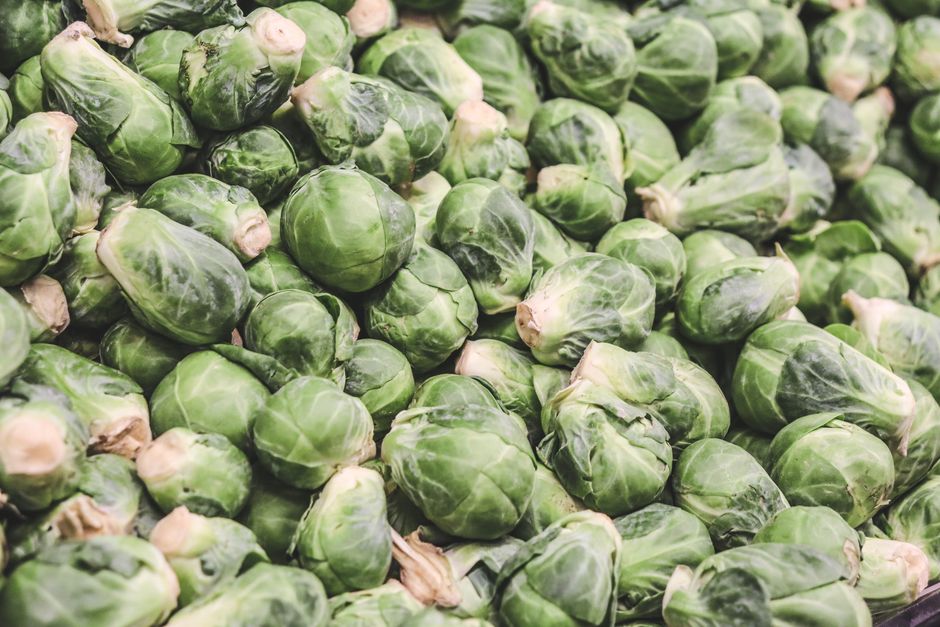
Cabbage is alkaline-forming in the body. That surprises many people because cabbage has a mildly acidic pH outside the body, but the two ideas measure different things. The pH of a food before you eat it and the effect that food has on your body’s pH after digestion are not the same. Understanding that difference clears up most of the confusion around cabbage and the alkaline diet.
Is Cabbage Acidic or Alkaline? The Focus Keyphrase Explained
The pH scale runs from 0 to 14. A value below 7 is acidic, 7 is neutral, and above 7 is alkaline. Fresh cabbage sits slightly on the acidic side, with a pH that varies by variety and growing conditions.
That number describes the cabbage itself, not your body. Once you eat it, your digestive system breaks it down, and the minerals left behind determine whether it acts as an acid or a base in your system. This is called the ash residue, or potential renal acid load.
Cabbage leaves behind more alkaline minerals than acid ones. That makes it alkaline-forming. The same is true of most vegetables and most fruits.
How Does Food Affect Your Body’s pH?
It barely does. Your body holds blood pH within a tight range of roughly 7.35 to 7.45, and it defends that range aggressively. This is one of the most well-established facts in human physiology.
Your lungs and kidneys do the work. The lungs adjust how much carbon dioxide you exhale. The kidneys adjust how much acid or base they release in urine. Together they keep blood pH stable no matter what you eat.
Here is the part most alkaline diet content skips. If a food could shift your blood pH in a meaningful way, that would be a medical emergency, not a health benefit. Blood pH outside the normal range is a sign of serious illness, such as diabetic ketoacidosis or severe lung disease. It is not something you nudge with lunch.
What diet can change is urine pH. Eating more vegetables and fruits tends to raise urine pH. That is a real, measurable effect. It is also not the same as changing the pH of your blood or tissues.
What Is the Alkaline Diet and Does It Work?
The alkaline diet asks people to eat more vegetables, fruits, and certain grains while limiting meat, dairy, and processed foods. The claim is that this shifts your body toward a more alkaline state and prevents disease.
The first part is easy to support. Eating more vegetables is good for you. The second part is where the evidence gets thin.
No large human trials have confirmed that the alkaline diet prevents cancer, heart disease, or any other chronic condition through pH changes. The body’s pH control systems are too strong for diet to override them. Some small studies have looked at urine pH and markers like bone turnover, but the results are mixed and the studies are limited.
Some clinicians recommend alkaline-style eating for specific situations, such as certain kidney stone types or chronic kidney disease, where reducing dietary acid load may matter. That is a clinical decision made with a doctor, not a general rule for everyone.
The diet may still help people feel better. That is likely because it crowds out processed food and adds fiber, vitamins, and minerals. Those benefits are real. They just do not come from changing your blood pH.





What Makes Cabbage Alkaline-Forming?
The minerals. Cabbage is rich in potassium, calcium, and magnesium. When your body metabolizes these minerals, the end products are alkaline.
Foods high in sulfur and phosphorus, like meat, eggs, and cheese, leave behind acid. Foods high in potassium and magnesium leave behind base. Cabbage falls firmly in the second group.
This is why the ash residue idea works better than the pH of the food itself. A lemon is acidic outside the body but alkaline-forming once digested, for the same mineral reason. Cabbage follows the same logic, just with less dramatic numbers.
Cabbage Nutrition and pH: What the Data Shows
Cabbage is a low-calorie, high-fiber vegetable. The table below shows values for raw green cabbage, based on USDA nutritional data.
| Nutrient | Amount per 1 cup, shredded (about 89 g) |
|---|---|
| Calories | 22 |
| Fiber | 2.2 g |
| Vitamin C | 32.6 mg |
| Vitamin K | 67.6 mcg |
| Potassium | 151 mg |
| Calcium | 35.6 mg |
Those minerals are why cabbage lands on the alkaline-forming side. The vitamin C and vitamin K content are meaningful too, especially for a vegetable this low in calories.
One note on vitamin K. It plays a role in blood clotting, and people taking blood-thinning medication such as warfarin are often told to keep vitamin K intake steady rather than avoid it. That is a conversation to have with a doctor or pharmacist, not a reason to skip cabbage on your own.
Does Eating Cabbage Change Your Blood pH?
No. Your blood pH stays in its narrow range whether you eat cabbage or not. The kidneys and lungs make sure of that.
What cabbage does contribute is fiber, vitamin C, vitamin K, and minerals that fit well into an overall healthy eating pattern. Those are the reasons to eat it. The pH angle is largely a framing device.
If you enjoy cabbage and it fits your meals, keep eating it. If you are eating it specifically to make your body more alkaline, the mechanism you are counting on does not work the way the marketing suggests.
Which Foods Are Acidic vs Alkaline-Forming?
Most plant foods are alkaline-forming. Most animal proteins and processed grains are acid-forming. The list below gives a general picture.
- Alkaline-forming: most vegetables, most fruits, leafy greens, cabbage, broccoli, potatoes, nuts, and legumes
- Acid-forming: meat, poultry, fish, eggs, cheese, and most grains
- Near neutral: fats and oils, which have little effect on acid load
This does not mean acid-forming foods are bad. Protein is essential, and many acid-forming foods are nutritious. The acid or alkaline label describes a chemical property, not a health verdict.
A diet heavy in vegetables and light in processed food is a good goal for many reasons. The pH story is not the main one.
Should You Choose Cabbage for Alkaline Eating?
Cabbage is a sensible choice for almost any eating pattern. It is cheap, keeps well, and works raw or cooked.
If you are following an alkaline diet, cabbage fits it easily. If you are not, cabbage still fits. The vegetable does not require a philosophy to be worth eating.
The main caution is for people on blood thinners, who should keep vitamin K intake consistent and check with their doctor. Everyone else can treat cabbage as what it is: a nutritious, low-calorie vegetable with more going for it than its pH.
Frequently Asked Questions
Is cabbage acidic or alkaline in the body?
Cabbage is alkaline-forming in the body because it leaves behind more alkaline minerals than acid ones after digestion. Its own pH outside the body is mildly acidic, which is a separate measurement.
Does the alkaline diet actually change your blood pH?
No. Your lungs and kidneys keep blood pH within a tight range of about 7.35 to 7.45 regardless of what you eat. Diet can shift urine pH, but not blood pH.
Can eating cabbage help prevent disease?
No evidence shows cabbage prevents disease by changing your body’s pH. It does provide fiber, vitamin C, vitamin K, and minerals that fit into a healthy eating pattern.
Is cabbage safe if I take blood thinners?
Cabbage is high in vitamin K, which affects clotting, so people on blood thinners like warfarin are usually advised to keep vitamin K intake steady. Talk to your doctor or pharmacist before making changes.
