
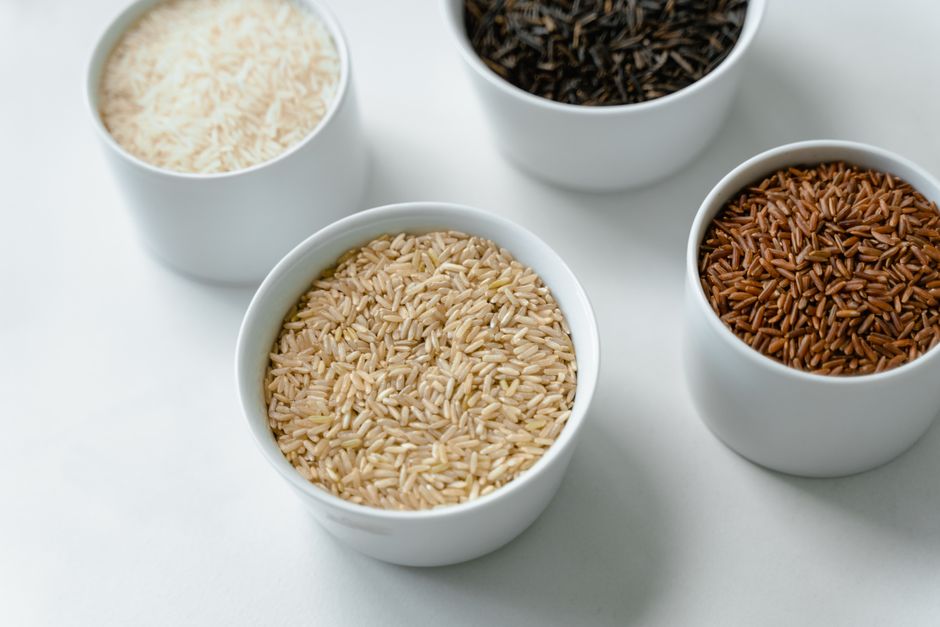
Brown rice is naturally gluten free. It is a whole grain that comes from the same plant as white rice, and no form of plain rice contains gluten. People with celiac disease or non-celiac gluten sensitivity can safely eat brown rice, provided it has not been contaminated with gluten during processing or cooking.
What Does Gluten Free Actually Mean?
Gluten is a group of proteins found in wheat, barley, rye, and triticale. These proteins help foods hold their shape and give bread its chewy texture. For people with celiac disease, eating gluten triggers an immune response that damages the small intestine. For others, gluten can cause digestive discomfort even without celiac disease.
Rice is not related to wheat, barley, or rye. It belongs to a completely different plant family. That is why all plain rice — brown, white, wild, jasmine, basmati, or arborio — is naturally free of gluten proteins.
Is Brown Rice Gluten Free by Nature?
Yes. Brown rice is simply rice that has not been milled to remove the bran and germ layers. Those layers contain fiber, vitamins, and minerals, which is why brown rice is often described as more nutritious than white rice. But the gluten status is identical: neither brown nor white rice contains gluten.
The only difference between brown and white rice is processing. Brown rice keeps its outer layers. White rice has them removed. Neither step introduces gluten.
Can Brown Rice Become Contaminated With Gluten?
Cross-contamination is the real concern. Brown rice itself is gluten free, but it can pick up gluten in several ways.
Processing facilities often handle multiple grains. If a facility mills wheat and rice on the same equipment without proper cleaning, trace amounts of wheat can end up in the rice. This is why many rice products carry a “gluten free” label — it signals that the manufacturer tested the product and confirmed it contains less than 20 parts per million of gluten, the threshold the FDA allows for gluten free labeling.
Restaurants pose another risk. Rice cooked in a pot that also cooked pasta, or fried in oil shared with battered foods, can absorb gluten. If you have celiac disease, asking about preparation methods matters as much as choosing a gluten free grain.





What About Flavored or Packaged Brown Rice Products?
Plain brown rice is safe. Packaged rice mixes often are not. Seasoning packets frequently contain wheat-based ingredients like soy sauce, maltodextrin derived from wheat, or modified food starch. Some rice pilaf mixes include orzo pasta or other wheat noodles.
Always read the ingredient label on flavored rice products. If the label does not say gluten free and the product contains seasonings, assume it may contain gluten. Frozen rice bowls, microwave rice cups, and restaurant rice dishes all carry the same risk. The rice itself is fine; the additives are the problem.
Is Brown Rice Safe for People With Celiac Disease?
Yes, with the same caveat about cross-contamination. The Celiac Disease Foundation and other major celiac organizations list rice as a safe grain. Many gluten free diets rely heavily on rice because it is versatile, affordable, and widely available.
Some people with celiac disease worry about rice because they have heard conflicting information online. There is no evidence that rice damages the intestinal lining of people with celiac disease. Rice does not contain the specific protein sequences that trigger the celiac immune response.
One note: some people with celiac disease also have difficulty digesting certain carbohydrates in rice, but that is a separate issue from gluten exposure. It does not mean the rice contains gluten.
Brown Rice vs. White Rice: Which Is Better for a Gluten Free Diet?
Both are equally gluten free. The choice comes down to nutrition and personal preference.
Brown rice provides more fiber, magnesium, selenium, and B vitamins because the bran and germ remain intact. White rice has these layers removed, so it is lower in fiber and some nutrients, though many brands enrich white rice with added iron and B vitamins.
For people on a gluten free diet, brown rice offers a nutritional advantage because gluten free diets can sometimes be low in fiber and certain minerals. But white rice is not a poor choice. It is easier to digest for some people and can be a better option during flares of digestive symptoms.
Are There Other Grains That Are Naturally Gluten Free?
Brown rice is not the only option. Several other whole grains are naturally gluten free:
- Quinoa
- Buckwheat (despite its name, it is not related to wheat)
- Millet
- Amaranth
- Sorghum
- Teff
- Corn
- Oats (only if certified gluten free, due to cross-contamination risk)
These grains add variety to a gluten free diet and provide different nutrients than rice. Quinoa and amaranth are particularly high in protein. Teff is rich in iron. Sorghum has a mild flavor that works well in baking.
How to Confirm Your Brown Rice Is Gluten Free
If you have celiac disease, you need more than a general assurance that rice is gluten free. You need to know that the specific product you are buying is safe.
Look for a gluten free certification on the package. This means the product was tested and meets strict standards. The Gluten-Free Certification Organization (GFCO) requires products to contain less than 10 parts per million of gluten, which is stricter than the FDA standard of 20 parts per million.
Buying rice from dedicated gluten free brands adds another layer of safety. These companies either use dedicated facilities or test every batch. Plain brown rice from any major brand is generally safe, but certification removes all doubt.
Common Myths About Rice and Gluten
Several myths circulate online about rice and gluten. Here is what the evidence actually shows.
Myth: All grains contain gluten. False. Only wheat, barley, rye, and triticale contain gluten. Rice, corn, quinoa, millet, and many other grains are naturally gluten free.
Myth: Brown rice contains a form of gluten. False. Rice contains proteins called glutelins and prolamins, but these are not the same as the gluten proteins found in wheat. The term “rice gluten” is sometimes used in food science, but it is not the gluten that harms people with celiac disease.
Myth: Gluten free rice is healthier than regular rice. Not necessarily. If a product is labeled gluten free, it simply means it contains less than 20 parts per million of gluten. It says nothing about sugar, salt, fat, or overall nutritional quality. A gluten free brown rice product is essentially the same as a regular brown rice product that happens to be certified.
Myth: You need to avoid rice on a gluten free diet. False. Rice is a staple of most gluten free diets and is safe for the vast majority of people with celiac disease.
Practical Tips for Cooking Brown Rice Safely
If you share a kitchen with people who eat gluten, take simple precautions. Use a dedicated colander for rinsing rice. Keep gluten free grains in clearly labeled containers. Wash pots and utensils thoroughly before cooking rice if they have been used for wheat-based foods.
At restaurants, ask whether the rice is cooked in a dedicated pot and whether the cooking water or oil is shared. Many restaurants cook rice in chicken broth or add seasonings that contain gluten. Plain steamed rice is usually safe, but it is worth confirming.
Frequently Asked Questions
Is all rice gluten free?
Yes, all plain rice is naturally gluten free. Flavored rice products may contain gluten from seasonings or additives, so always check the label.
Can celiacs eat brown rice?
Yes, brown rice is safe for people with celiac disease as long as it is not cross-contaminated with wheat, barley, or rye during processing or preparation.
Is white rice or brown rice better for gluten sensitivity?
Both are equally gluten free. Brown rice offers more fiber and nutrients, while white rice may be easier to digest for some people.
Does rice contain wheat gluten?
No, rice does not contain wheat gluten. The proteins in rice are structurally different from gluten proteins and do not trigger the same immune response.
