
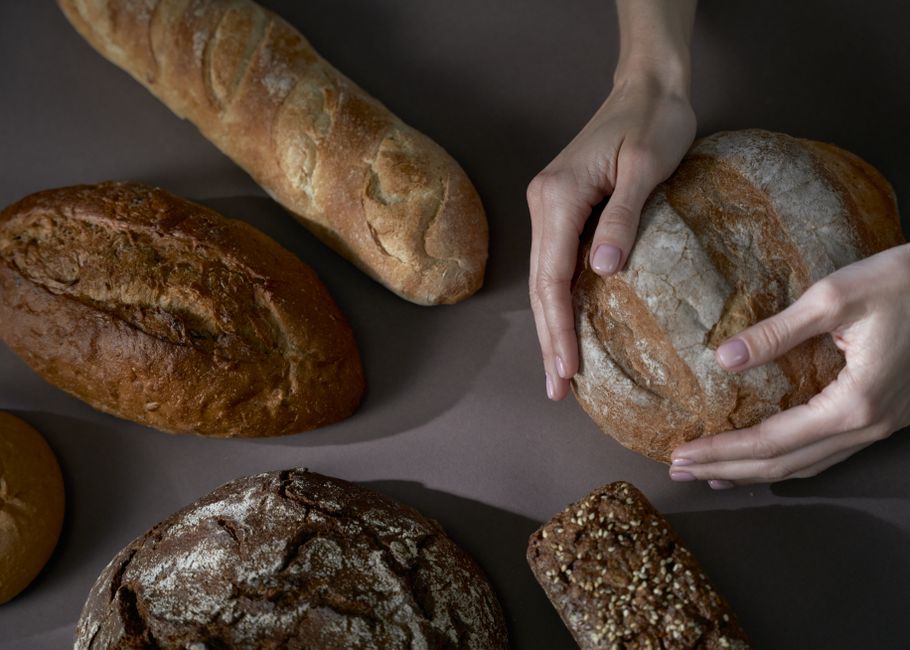
Most bread is naturally lactose free. The basic ingredients in bread are flour, water, yeast, and salt. None of these contain lactose. You can eat plain bread like sourdough, French bread, or Italian bread without worrying about lactose. The problem comes from added ingredients. Many commercial breads add milk, butter, or whey for texture and shelf life. These are the ones you need to avoid if you are lactose intolerant. This article breaks down which breads are safe, which are not, and how to tell the difference.
What Makes Bread Lactose Free or Not?
Lactose is a sugar found in milk and dairy products. Bread becomes unsafe for people with lactose intolerance only when dairy ingredients are added during baking. The main offenders are milk, butter, cream, buttermilk, and whey. Whey is especially common because bakers use it to improve browning and soften the crumb.
Many store-bought breads list whey, milk powder, or butter on their ingredient labels. Even small amounts matter for people with severe lactose intolerance. Some breads labeled “milk bread” or “brioche” are obvious. But others like sandwich bread, hamburger buns, and dinner rolls often contain dairy without advertising it.
The good news is that traditional bread recipes do not call for dairy. Sourdough, baguettes, ciabatta, and pita are almost always lactose free. The key is reading the label every time because brands change their recipes. The FDA requires dairy to be listed clearly, so look for “contains milk” warnings.
Is Bread Lactose Free Types To Eat And Avoid?
Yes, most bread is naturally lactose free. The basic formula of flour, water, yeast, and salt contains zero lactose. This includes sourdough, French bread, Italian bread, pita, naan (plain version), corn tortillas, and most artisan breads. These are safe to eat even for people with severe lactose intolerance.
You need to avoid breads that list milk, butter, whey, cream, or buttermilk in the ingredients. Common examples are brioche, challah, croissants, milk bread, and many soft sandwich breads. Some whole wheat or multigrain breads also add milk or whey. Even some “healthy” breads like certain whole grain loaves contain dairy for moisture.
Here is a quick comparison table to help you decide at the store:
| Safe Breads (Usually Lactose Free) | Avoid (Often Contain Lactose) |
|---|---|
| Sourdough | Brioche |
| French baguette | Challah |
| Italian bread | Croissants |
| Pita bread | Milk bread |
| Corn tortillas | Hamburger buns (many brands) |
| Rye bread (check label) | Soft white sandwich bread |
| Ciabatta | Dinner rolls (many brands) |
| Focaccia (plain) | Biscuits and scones |
This is not a complete list. Always check the label. A bread that was safe last month might have a new recipe. The FDA requires allergen labeling, so “contains milk” will be listed if dairy is present.
What Does Research on Lactose in Bread Show?
Research published in the Journal of Dairy Science found that lactose levels in bread vary widely depending on the recipe. Plain bread has zero lactose. Bread with milk powder can have 1-3 grams of lactose per slice. For context, people with lactose intolerance can usually handle up to 12 grams spread throughout the day. But some people react to much smaller amounts.
The CDC reports that about 36% of Americans have some degree of lactose malabsorption. That means one in three people reading this article might react to dairy in bread without knowing why. Many people blame the gluten in bread for their stomach issues when the real problem is hidden lactose.
A study in the journal Nutrients found that many people with self-diagnosed gluten sensitivity actually improved when they removed dairy instead of gluten. The symptoms of lactose intolerance and gluten sensitivity overlap significantly. Bloating, gas, diarrhea, and stomach pain can come from either one. This is why knowing exactly what is in your bread matters.
Some people report that sourdough bread feels easier to digest even when it contains some dairy. The fermentation process breaks down some lactose. But this is not reliable. If you have severe lactose intolerance, do not rely on fermentation to save you. Check the ingredients.




How to Read Bread Labels for Hidden Lactose
Reading bread labels is straightforward once you know what to look for. The FDA requires that milk be listed as an allergen. Look for the statement “Contains: Milk” or “Contains: Wheat” near the ingredient list. If you see “Contains: Milk,” the bread has dairy. If you see nothing, it is likely safe but read the ingredients anyway.
Ingredients that indicate lactose are:
- Milk or milk powder
- Butter or butterfat
- Whey or whey protein
- Cream or buttermilk
- Casein or caseinate
- Lactose (obviously)
Some breads use milk as a minor ingredient for browning. Others use it as a main ingredient for softness. Both will cause problems for people with lactose intolerance. Do not assume that “whole grain” or “organic” means dairy free. Many organic breads use milk powder as a natural preservative.
One tricky category is “brown and serve” rolls. These often contain whey to help them brown during reheating. Another is frozen dough for homemade bread. Many frozen dough balls contain milk powder. Always check the label even if the bread looks simple.
If you are eating at a restaurant, ask directly. Do not assume that “artisan bread” is safe. Many bakeries add milk or butter to their dough without listing it on the menu. A simple question like “Does this bread have any milk or butter in it?” can save you an uncomfortable afternoon.
What About Gluten-Free Bread and Lactose?
Gluten-free bread is a separate category that deserves its own attention. Many gluten-free breads contain more dairy than regular bread. This is because gluten-free flours need extra fat and moisture to create a decent texture. Manufacturers often use milk, butter, or whey for this purpose.
Research from the University of Maryland found that about 40% of gluten-free bread products contain dairy ingredients. This is a problem for people who are both gluten intolerant and lactose intolerant. The two conditions often overlap. Up to 50% of people with celiac disease also have lactose intolerance, at least temporarily.
If you need gluten-free bread and want to avoid lactose, look for brands that specifically say “dairy free” on the package. Udi’s, Canyon Bakehouse, and Schar all make dairy-free gluten-free breads. But always check the label because recipes change. Some gluten-free breads use almond milk or coconut milk instead of cow’s milk. These are safe for lactose intolerance.
Do not assume that “vegan” bread is automatically safe. Vegan bread has no animal products, so it is dairy free by definition. But not all dairy-free bread is labeled vegan. Some breads use plant-based milks but still call themselves “dairy free.” Either way, the label will tell you.
Common Misconceptions About Bread and Lactose
One common myth is that all bread contains lactose. This is false. Basic bread has no dairy. The myth probably started because some soft commercial breads do contain milk. But the majority of bread in the world is made without dairy. Sourdough, pita, naan (plain), tortillas, and most European breads are naturally lactose free.
Another myth is that sourdough fermentation removes all lactose. This is not true either. Sourdough fermentation breaks down some lactose, but not all of it. If a sourdough bread contains milk or butter, the lactose level will be lower than in regular milk bread but still present. People with severe intolerance should not rely on sourdough to fix the problem.
Some people believe that “brown bread” or “whole wheat” bread is healthier and therefore dairy free. This is not true. Many whole wheat breads contain milk or whey for moisture and shelf life. The color of the bread has nothing to do with its lactose content. Always check the label.
A final misconception is that you can tell if bread has lactose by tasting it. You cannot. Lactose is not very sweet. A slice of bread with milk powder will not taste like milk. It will taste like regular bread. The only reliable way to know is to read the ingredient list or ask the baker.
Frequently Asked Questions
Does sourdough bread contain lactose?
Traditional sourdough made with only flour, water, and salt contains no lactose. Some commercial sourdoughs add milk or butter, so check the label.
Can I eat pita bread if I am lactose intolerant?
Most pita bread is lactose free because it is made from flour, water, yeast, and salt. Check for added dairy in flavored or enriched versions.
Is whole wheat bread safe for lactose intolerance?
Not always. Many whole wheat breads contain milk powder or whey for moisture. Always read the ingredients list before buying.
What is the best bread for lactose intolerance?
Plain sourdough, French baguette, Italian bread, pita, and corn tortillas are all safe choices. Stick to simple breads with few ingredients.
