
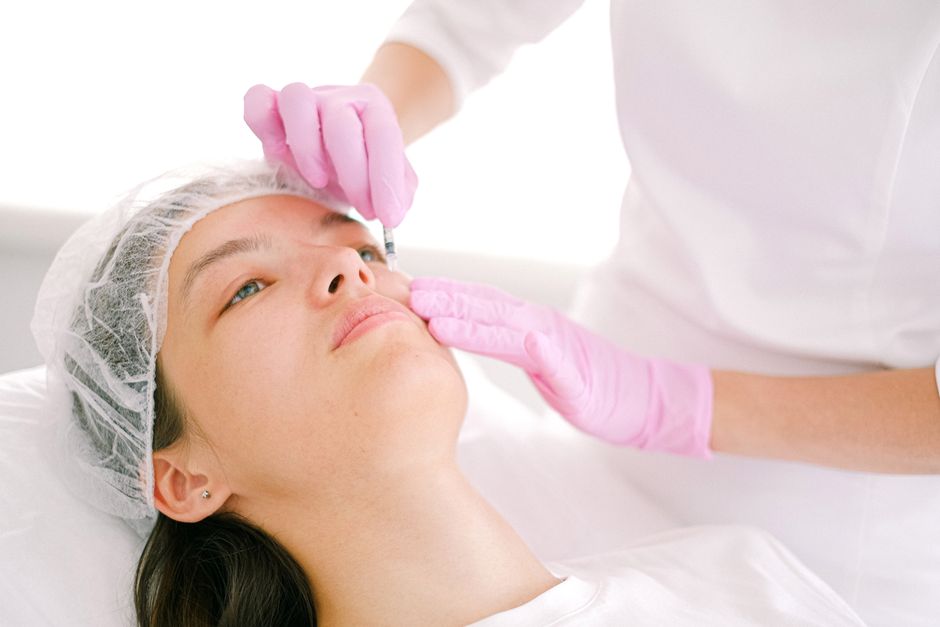
Botox is a legitimate medical treatment, and it is used for TMJ disorders in some clinical settings. But “safe” and “effective” are two different questions, and the evidence for Botox in TMJ disorders is much stronger for some symptoms than others. The short answer: it appears reasonably safe when injected by an experienced clinician, and it may reduce jaw muscle pain, but it is not a cure and it is not the first treatment most guidelines recommend.
What Are TMJ Disorders, Exactly?
The temporomandibular joints are the two joints that connect your lower jaw to your skull, one on each side, just in front of your ears. They are among the most used joints in the body. Every time you chew, speak, swallow, or yawn, they move.
“TMJ disorder” is not one condition. It is an umbrella term for a group of problems affecting these joints and the muscles that control them. That matters because different problems respond to different treatments.
The most common categories include:
- Myofascial pain — discomfort originating in the jaw muscles themselves, sometimes with trigger points
- Internal derangement — a displaced disc inside the joint, often causing clicking or locking
- Degenerative joint disease — arthritic changes to the joint surfaces
Most people with jaw pain improve on their own within weeks to a few months. Research consistently shows that conservative, reversible treatments — soft diet, jaw rest, heat, gentle stretching, and short-term anti-inflammatory medication — help the majority of cases. This is why major clinical guidance generally recommends starting there before considering anything more invasive.
How Does Botox Actually Work on Jaw Muscles?
Botox is a purified form of botulinum toxin type A. It works by blocking the release of acetylcholine, the chemical signal that tells a muscle to contract. When injected into a muscle, it weakens that muscle’s ability to tighten.
In the jaw, the logic is straightforward. If the masseter or temporalis muscles are overactive or chronically clenched, reducing their contraction may reduce muscle pain and fatigue. That is a reasonable mechanism.
Here is the important caveat: biological plausibility is not the same as proven clinical benefit. A treatment can make perfect sense on paper and still fail in trials. For Botox and TMJ, the mechanism is real, but the outcome data are more limited than the marketing suggests.
It is also worth knowing that Botox does not repair a displaced disc, reverse arthritis, or fix the joint itself. Its target is muscle activity. If your pain comes mainly from the joint rather than the muscles, Botox is unlikely to be the right tool.
Is Botox Safe for Treating TMJ Disorders?
When injected by a qualified clinician at appropriate doses, Botox has a well-documented safety record across many medical uses, and the side effects reported in jaw muscle injections are generally mild and temporary.
The most commonly reported effects include:
- Temporary weakness in the injected muscles
- Bruising or mild pain at the injection site
- Headache in the days following treatment
- Asymmetry or a change in smile appearance if the injection spreads
- Difficulty chewing certain foods while the effect is active
The more serious concern with any botulinum toxin injection is spread beyond the intended area. This can cause trouble swallowing, speaking, or breathing. In cosmetic and therapeutic jaw injections, this is uncommon, but it is the reason dose and injector skill matter so much. The FDA requires a boxed warning on all botulinum toxin products about the potential for effects to spread from the injection site.
Effects typically last around three to four months, which means any unwanted outcome is usually temporary — but also that relief is temporary, and repeat injections are needed to maintain it.
One genuine limitation: there is no established long-term safety data for using Botox in the jaw muscles for years on end. We know short-term safety reasonably well. We know much less about what happens with repeated use over a decade. That is an honest gap, not a scare tactic.





Does the Evidence Show It Works?
The evidence is mixed, and it depends heavily on which symptom you are asking about.
For jaw muscle pain, some studies suggest Botox can reduce pain scores compared with placebo, and several clinical reviews describe it as a reasonable option for muscle-dominant cases that have not responded to conservative care. Other trials have found effects similar to placebo, especially when injections are compared against saline.
For jaw clicking, locking, or disc displacement, the picture is weaker. Reducing muscle contraction does not reposition a disc, and studies have not shown consistent benefit for these mechanical problems.
For chronic jaw pain that has not responded to anything else, some clinicians report meaningful improvement in selected patients. This is common clinical practice, but it is not the same as strong trial evidence. It is fair to describe it as an option some specialists offer, not a proven standard.
A few practical points that the evidence does support:
- Response varies a lot between individuals — some get clear relief, others get none
- Benefit, when it occurs, is usually temporary and tied to the injection cycle
- It works better for muscle-based pain than for joint-based problems
What Are the Alternatives?
Before Botox, most clinical guidance points to conservative care first, and for good reason — it is reversible, low-risk, and helps most people.
| Approach | What It Targets | Evidence Level |
|---|---|---|
| Soft diet, jaw rest, heat | Muscle strain and inflammation | Well established as first-line |
| Short-term NSAIDs | Pain and inflammation | Commonly used, helpful for many |
| Physical therapy, stretching | Muscle tension and posture | Some evidence of benefit |
| Oral appliance (night guard) | Clenching and grinding | Mixed evidence |
| Botox injection | Overactive jaw muscles | Mixed; better for muscle pain |
| Surgery | Joint structure | Reserved for specific, severe cases |
Behavioral approaches also matter. Stress and sleep quality influence clenching for many people, and addressing those can reduce symptoms without any injection. This is not a dismissal of Botox — it is simply the order in which most clinicians would reasonably proceed.
Who Should Be Cautious About Botox for TMJ?
Botox is not appropriate for everyone, and some situations call for extra caution or avoidance.
People who are pregnant or breastfeeding should not receive botulinum toxin injections. There are no clinical guidelines establishing safety in these groups, and treatment is generally deferred.
Caution also applies to people with:
- Neuromuscular conditions such as myasthenia gravis or Lambert-Eaton syndrome
- Known allergy to botulinum toxin or its ingredients
- Active infection at the injection site
- Significant swallowing or breathing problems
Anyone taking medications that affect neuromuscular transmission should discuss this with their clinician first. The interaction risk is real, even if uncommon.
One overlooked point: the person doing the injecting matters as much as the product. Jaw injections sit near muscles used for chewing and swallowing. A clinician who understands the anatomy of this region — often an oral medicine specialist, a neurologist, or a dentist trained in orofacial pain — is a very different proposition from a cosmetic injector working from a template.
What Should You Ask Before Considering It?
If you are weighing Botox for jaw pain, a few questions will tell you a lot about whether the provider is treating you carefully.
- What type of TMJ problem do I have — muscle, joint, or both?
- Have we tried conservative treatment first, and for how long?
- What dose and which muscles are you planning to inject?
- What side effects should I watch for, and when should I call you?
- How will we measure whether this is working?
A provider who cannot answer these clearly is a reason to get a second opinion. Botox for TMJ is a real clinical option in the right hands, for the right patient. It is not a first-line fix, and it is not a cure. It is a tool with a specific target, real limitations, and a temporary effect.
Frequently Asked Questions
Is Botox safe for treating TMJ disorders?
It appears reasonably safe when injected by an experienced clinician at appropriate doses, with side effects usually mild and temporary. However, long-term safety data for repeated jaw injections over many years is limited.
How long does Botox last for TMJ pain?
The effect typically lasts around three to four months, after which repeat injections are needed to maintain any benefit. Response varies widely between individuals.
Does Botox cure TMJ disorders?
No. Botox reduces muscle contraction and may ease muscle-based jaw pain, but it does not repair the joint, reposition a disc, or cure the underlying condition.
Who should not get Botox for TMJ?
People who are pregnant or breastfeeding should not receive it, and those with neuromuscular conditions like myasthenia gravis should avoid it. Anyone with swallowing or breathing problems should discuss risks with a clinician first.
