
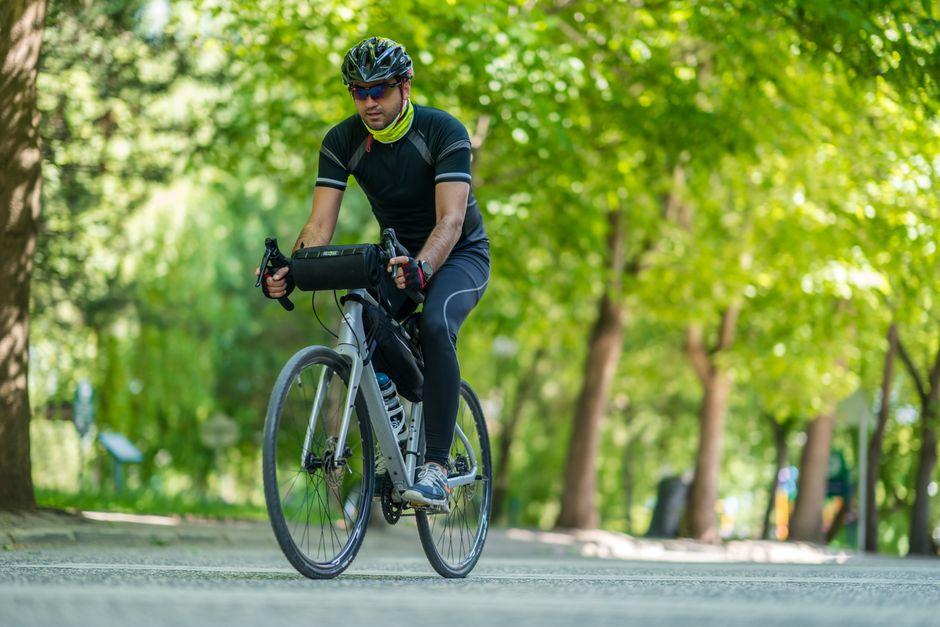
Yes, biking is an excellent way to lose weight. It is a highly efficient cardiovascular exercise that burns a significant number of calories, builds muscle in the lower body, and is gentle on the joints. When combined with a consistent routine and a balanced diet, cycling creates the calorie deficit required for sustainable weight loss.
How Many Calories Does Biking Actually Burn?
The number of calories you burn while biking depends heavily on your weight, the intensity of your ride, and the terrain. A heavier person burns more calories doing the same activity than a lighter person because it takes more energy to move a larger mass.
As a general reference, a 155-pound person riding at a moderate pace of 12 to 14 miles per hour will burn roughly 500 to 600 calories per hour. At a more vigorous pace of 14 to 16 miles per hour, that number can climb to over 700 calories per hour. These figures are consistent with standard metabolic equivalent (MET) data used by exercise physiologists.
This high calorie burn is one of the main reasons biking is so effective for weight loss. It allows you to create a substantial energy deficit in a single session without the pounding impact associated with running.
Why Biking Is Easier On Your Joints
Unlike running or high-impact aerobics, cycling is a non-weight-bearing exercise. Your body weight is supported by the bike saddle and handlebars, which means your knees, hips, and ankles do not absorb the repeated shock of striking the ground.
This makes biking a particularly good choice for people who are significantly overweight. If you are carrying extra pounds, running can place excessive stress on the knees and lower back. Cycling allows you to exercise intensely and burn calories while minimizing that stress.
That said, joint pain is still possible on a bike, especially in the knees. This is usually due to poor bike fit, such as a saddle set too low, which forces the knee to bend too much and increases strain on the patellar tendon. A proper bike fit is essential to prevent this.
Muscle Building And Metabolic Rate
Weight loss is not just about burning calories during the ride. Biking builds muscle, primarily in the quadriceps, hamstrings, glutes, and calves. Muscle tissue is metabolically active, meaning it burns more calories at rest than fat tissue does.
As you build lean muscle mass through regular cycling, your resting metabolic rate increases. This means you burn more calories throughout the day, even when you are sitting on the couch or sleeping. This is a long-term advantage that makes maintaining weight loss easier over time.
Resistance is key here. Riding on flat ground at a low gear does little for muscle growth. Climbing hills, pushing a harder gear, or doing interval sprints forces the muscles to work against significant resistance, which is what drives muscle adaptation and growth.





High-Intensity Interval Training On A Bike
One of the most effective ways to lose weight on a bike is through high-intensity interval training, or HIIT. This involves alternating between short bursts of maximum effort and periods of lower-intensity recovery.
A typical HIIT session on a bike might look like this: sprint as hard as you can for 30 seconds, then pedal easily for 90 seconds. Repeat this cycle for 15 to 20 minutes. Research consistently shows that HIIT burns more calories in less time than steady-state cardio and produces a greater afterburn effect, where your body continues to burn calories at an elevated rate after you finish exercising.
HIIT also preserves muscle mass better than long, slow endurance rides. This is important because preserving muscle keeps your metabolic rate higher, which supports long-term weight management.
Steady-State Cycling For Endurance
Long, moderate-intensity rides are still highly effective for weight loss. A 60 to 90-minute ride at a conversational pace burns a significant number of calories and improves your cardiovascular fitness and mitochondrial density, which is your body’s ability to use fat as fuel.
Fat adaptation is a real physiological process. Regular endurance training teaches your body to oxidize fat more efficiently during exercise. This does not mean you will automatically lose more body fat, but it does mean your body becomes better at using fat stores for energy during prolonged activity.
Many people find steady-state rides easier to recover from than intense interval sessions, which allows for more frequent training. Consistency is the most important factor in weight loss, so choosing a style of riding you can sustain several days per week matters more than the specific intensity.
How Often Should You Bike To Lose Weight?
For visible weight loss results, most people need to bike at least three to five times per week. Each session should last a minimum of 30 to 45 minutes, though 60 minutes is more effective for creating a meaningful calorie deficit.
The American College of Sports Medicine recommends 150 to 250 minutes of moderate-intensity exercise per week for weight loss, and over 250 minutes per week for significant weight loss or preventing weight regain. Biking fits directly into these guidelines.
If you are new to exercise, start with three 30-minute rides per week at a comfortable pace. Gradually increase the duration or intensity each week. The goal is to build a habit you can maintain indefinitely, not to exhaust yourself in the first month.
Diet Still Determines The Outcome
Biking alone will not cause weight loss if your diet is not aligned with your goals. Weight loss requires a calorie deficit, meaning you burn more energy than you consume. Exercise creates the “burn” side of that equation, but diet controls the “consume” side.
It is common for people to overestimate how many calories they burn while biking and then overeat afterward, negating the deficit. A single hour of moderate cycling does not justify a large meal or a sugary sports drink. For rides under 90 minutes, water is sufficient for hydration, and a normal balanced meal afterward is enough for recovery.
For sustainable results, focus on a diet rich in lean protein, vegetables, whole grains, and healthy fats. Protein is particularly important because it supports muscle repair and helps you feel full, which reduces the likelihood of overeating.
Biking Versus Running For Weight Loss
Both biking and running are effective for weight loss, but they have different trade-offs. Running burns slightly more calories per minute than biking at the same perceived effort, but it places significantly more stress on the joints.
Biking allows you to exercise longer and more frequently because recovery is faster. A person who can bike for 90 minutes comfortably may burn more total calories than a person who can only run for 30 minutes. This makes biking a more practical option for many people, particularly those who are heavier or have joint issues.
The best exercise for weight loss is the one you enjoy and will do consistently. If you hate running, you will not stick with it. If you love being outdoors on a bike, you will find reasons to ride every day. That consistency is what ultimately drives results.
Frequently Asked Questions
How long should I bike to lose weight?
Aim for at least 45 to 60 minutes per session, three to five times per week. This aligns with the 150 to 250 minutes of weekly exercise recommended for weight loss.
Is biking better than walking for weight loss?
Biking burns more calories per hour than walking at a moderate pace. However, walking is easier to do daily and carries almost no injury risk, so the best choice depends on your fitness level and preferences.
Will biking make my legs bulky?
No, cycling builds lean muscle but rarely causes large increases in leg size unless you are doing heavy resistance training with very high intensity. Most riders see toned, defined legs rather than bulky ones.
Can I lose belly fat by biking?
Yes, but not specifically from biking. You cannot spot-reduce fat from one area. Biking burns overall body fat, and belly fat will decrease as your total body fat percentage drops.
