

When you lose weight, the fat in your fat cells is broken down into smaller molecules that your body can use for energy. The vast majority of that mass leaves your body as carbon dioxide, which you breathe out. A smaller portion leaves as water, which you lose through urine, sweat, and other bodily fluids. This is a biological fact, not a theory, and it was clearly explained in a widely cited study from 2014. If you are picturing fat turning directly into muscle or being flushed out through the colon, that is not how it works.
How Does Fat Leave The Body When You Lose Weight?
Fat cells store energy in the form of triglycerides. Triglycerides are made of three fatty acid molecules attached to a glycerol backbone. When your body needs energy and there is no food coming in, hormones signal these fat cells to release the fatty acids into your bloodstream. Those fatty acids travel to tissues like muscle and the liver, where they are broken down in a process called oxidation.
Oxidation is the key step. When fatty acids are oxidized, they are converted into carbon dioxide (CO2) and water (H2O). The carbon dioxide travels through your blood to your lungs, and you exhale it. The water mixes into your body’s fluid pool and is lost through urine, sweat, and even the moisture in your breath.
Research published in the British Medical Journal in 2014 calculated the exact math. For every 10 kilograms (22 pounds) of fat lost, about 8.4 kilograms are exhaled as carbon dioxide. The remaining 1.6 kilograms become water. That means the lungs are the primary organ for fat removal, not the sweat glands and not the digestive tract.
Where Does The “Lost” Fat Actually Go?
Many people assume fat turns into energy and simply disappears. Energy is not a physical substance. When your body uses fat for energy, the chemical bonds in the fatty acids are broken, and the energy is captured in a molecule called ATP. The physical atoms that made up the fat are still there — they have just been rearranged into carbon dioxide and water.
Think of it like burning wood. The wood does not vanish. It becomes ash, smoke, and gases. Your body does the same thing with fat, just much more slowly and without fire. The carbon atoms in the fat combine with oxygen you inhale to form CO2. That is why you breathe more heavily during exercise — your body needs more oxygen to oxidize fat and other fuels, and it needs to expel the extra CO2 being produced.
This is also why the common phrase “breathe out your weight” is not just a metaphor. It is a literal description of the process.
Does Sweating Mean You Are Losing Fat?
No. Sweat is mostly water and electrolytes. When you sweat heavily, you lose water weight, which is temporary. As soon as you drink fluids, that weight returns. Sweating does not burn fat directly. The fat broken down during exercise does produce some water, but that water is a small fraction of total sweat output and is not the reason you sweat during a workout.
Saunas, sweat suits, and heavy exercise in hot environments cause water loss, not fat loss. The scale may show a lower number afterward, but that number comes back with your next glass of water. Fat loss requires a sustained calorie deficit over days and weeks. No amount of sweating creates that deficit.


Do You Lose Fat When You Poop?
Very little. The digestive tract is not a major route for fat excretion. Your body absorbs most dietary fat in the small intestine. Undigested fat can leave in stool, but this only happens in significant amounts with certain medical conditions or medications that block fat absorption. Normal fat metabolism does not send fat molecules into the colon for disposal.
If you see oily stool, that is a sign of malabsorption, not normal weight loss. It can happen with conditions like celiac disease, pancreatic insufficiency, or the use of weight-loss drugs like orlistat. If this occurs, it warrants a conversation with a doctor.
Fiber and undigested food particles do contribute to stool weight, but that is not fat. The bulk of the weight you lose from fat is exhaled. The rest is water.
Why Does Fat Loss Feel Slow Even When The Scale Moves?
Fat cells do not disappear overnight. When you lose weight, fat cells shrink but do not die. They hold less fat, but the cells themselves remain in your body. This is why it is easier to regain weight — the cells are still there, ready to refill.
Also, the scale measures everything: muscle, bone, water, glycogen, and food in your digestive tract. Glycogen, the stored form of carbohydrates in your liver and muscles, holds about three grams of water for every gram of glycogen. When you start a low-carb diet or a calorie deficit, glycogen is used up quickly, and the water bound to it is released. That causes a rapid initial drop on the scale. It is real weight loss, but it is mostly water, not fat.
After the first week or two, the rate of loss slows because your body switches to burning fat as the primary fuel. Fat contains more energy per gram than glycogen, so each gram of fat burned produces less water and requires a larger calorie deficit to lose a visible amount of weight. A pound of fat equals roughly 3,500 calories. That is why sustainable fat loss is typically slow — you need a consistent daily deficit to see steady progress.
How Fast Can Fat Actually Leave The Body?
Safe and sustainable weight loss is generally considered to be about 1 to 2 pounds per week. That translates to losing roughly 0.5 to 1 kilogram weekly. Faster loss is possible but often includes muscle loss and water loss, not just fat.
The rate at which fat leaves your body depends on your calorie deficit, your activity level, and your metabolic rate. A larger deficit causes faster fat loss, but very large deficits are hard to maintain and can slow your metabolism over time. Extreme diets often lead to muscle loss, nutrient deficiencies, and rebound weight gain.
There is no way to spot-reduce fat. Doing hundreds of sit-ups will not remove fat from your abdomen specifically. Fat loss happens systemically — your body decides where it mobilizes fat from, and genetics play a major role in that pattern. You cannot control which fat cells empty first.
Does Breathing More Help You Lose Fat?
Breathing faster does not burn more fat by itself. The amount of CO2 you exhale is tied to your metabolic rate, not your breathing rate. Hyperventilating causes you to blow off CO2 and can make you feel dizzy, but it does not increase fat oxidation.
Exercise increases fat oxidation because your muscles demand more energy. More energy demand means more fatty acids are burned, which means more CO2 is produced and exhaled. The breathing is a result of the metabolic activity, not the cause of it.
One practical takeaway: the only way to increase fat loss is to increase the gap between calories consumed and calories burned. Exercise helps by raising your energy expenditure. Diet helps by lowering your energy intake. Both work, but diet tends to have a larger effect for most people because it is easier to reduce calories than to burn them.
What Happens To Fat Cells After Weight Loss?
When you lose fat, the fat cells shrink. They do not disappear. The number of fat cells you have is largely set during childhood and adolescence, and it increases when you gain significant weight. Once fat cells are created, they generally stay with you for life.
This matters for weight maintenance. After weight loss, your fat cells are smaller, but they are still there and they still send hormonal signals that can drive hunger and promote fat storage. This is one reason why maintaining weight loss is harder than achieving it. Your body actively resists the loss, and it is not just about willpower.
Some research suggests that fat cells have a “memory” of their previous size. They may be more efficient at absorbing fat after weight loss, which is why many people regain weight. This is a physiological response, not a personal failure.
How Can You Track Fat Loss Accurately?
The scale is not the best tool for tracking fat loss because it cannot distinguish between fat, muscle, water, and glycogen. Body composition measurements are more useful. Methods include skinfold calipers, bioelectrical impedance scales, and DEXA scans. DEXA is the most accurate but is not practical for daily use.
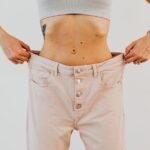
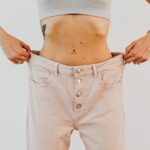
Waist circumference is a simple and reliable proxy for abdominal fat. Measuring your waist weekly can show changes that the scale misses, especially if you are gaining muscle while losing fat. Progress photos and how your clothes fit are also useful indicators.
If you are losing weight rapidly, it is likely not all fat. A sudden drop of several pounds in a week is almost always water and glycogen. Steady, slower loss over months is more likely to be true fat loss.
Frequently Asked Questions
Do you breathe out fat when you lose weight?
Yes. About 84% of fat mass is exhaled as carbon dioxide. The rest becomes water and leaves through urine, sweat, and breath moisture.
Does fat turn into muscle?
No. Fat and muscle are completely different tissues. Fat is burned for energy, and muscle is built through protein synthesis and resistance training. One does not convert into the other.
How long does it take to notice fat loss?
Most people notice changes in clothing fit and waist measurement within 4 to 6 weeks of consistent calorie deficit. Scale changes can happen sooner, but those often include water and glycogen loss.
Can you lose fat without losing weight on the scale?
Yes. If you gain muscle while losing fat, the scale may stay the same or even go up. Muscle is denser than fat, so you can look leaner without a lower number on the scale.
