
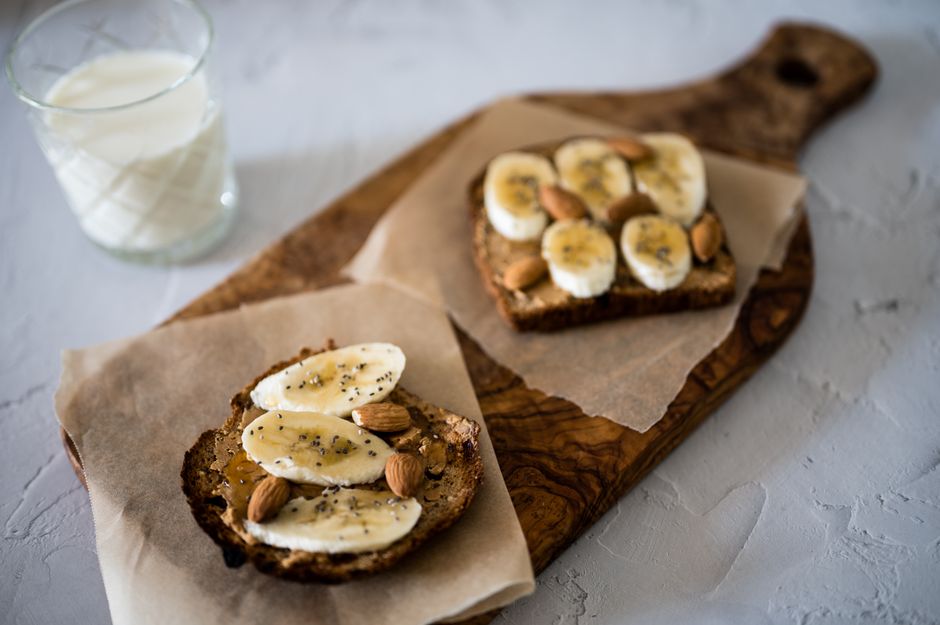
Banana bread is a favorite comfort food, but is it actually good for you? The honest answer is that it depends entirely on how it is made and how much you eat. A traditional slice made with white flour, butter, and a cup of sugar is essentially cake, while a version made with whole grains and less sweetener can be a reasonable snack. The nutritional value of your slice is determined by the recipe, not the banana itself.
What Is the Nutritional Profile of Banana Bread?
A standard slice of homemade banana bread contains roughly 200-250 calories. That number changes significantly based on the recipe. Butter, oil, and added sugar are the main calorie drivers. Bananas themselves contribute natural sugar but also bring fiber and potassium to the mix.
The typical recipe calls for about one cup of sugar for a full loaf. That means each slice carries roughly 15-20 grams of added sugar. The American Heart Association recommends limiting added sugar to no more than 36 grams per day for men and 25 grams for women. One slice of traditional banana bread uses up most of that allowance.
Bananas do provide genuine nutrition. A medium banana offers about 3 grams of fiber, 422 mg of potassium, and vitamin B6. When baked into bread, those nutrients remain. The problem is that they are diluted by flour, fat, and sugar.
Is Banana Bread Good For You Compared to Cake?
This is the most direct comparison. Traditional banana bread and cake share nearly identical ingredient lists. Flour, sugar, butter, eggs, and a leavening agent. The main difference is the banana puree replacing some of the fat or liquid.
Banana bread does have a slight edge. The bananas add fiber and potassium that a plain cake lacks. But the difference is modest. A slice of banana bread is still a dessert by nutritional standards.
Some commercial banana breads are worse than homemade versions. Bakery and grocery store loaves often contain palm oil, high-fructose corn syrup, and preservatives. They can also be sliced thicker, doubling the calories per serving. If you are choosing between a bakery muffin and homemade banana bread, the homemade version is usually the better option.
What Makes Banana Bread Healthier or Less Healthy?
Three main ingredients determine whether your banana bread leans nutritious or leans dessert. The type of flour, the amount of sugar, and the type of fat.
Flour choice matters. White all-purpose flour is stripped of the bran and germ, removing most of the fiber. Whole wheat flour keeps those components, adding about 3 grams of fiber per slice. Oat flour and almond flour are other options that change the texture but improve the nutrient profile.
Sugar is the biggest issue. Many recipes call for a full cup. You can often reduce that to half a cup without ruining the texture. Ripe bananas are naturally sweet, so they carry some of the flavor. Mashed bananas release their sugars during baking, which helps compensate for reduced added sugar.
Fat quality varies. Butter gives the classic flavor but is high in saturated fat. Replacing some butter with plain Greek yogurt or unsweetened applesauce cuts saturated fat and adds protein or fiber. These swaps change the texture slightly, making the loaf denser and more moist.




Can Banana Bread Be Part of a Healthy Diet?
Yes, but portion control is essential. A healthy diet can include dessert foods. The issue is when banana bread becomes a daily breakfast or a snack eaten without thinking about portion size.
One slice is a reasonable serving. Two or three slices turn a snack into a meal’s worth of calories. The visual size of bakery slices is often double what a recipe considers one serving. Reading the serving size on the recipe or package matters.
If you want banana bread to function as a breakfast or snack rather than a treat, choose a recipe with whole grains and reduced sugar. Pair it with a source of protein like Greek yogurt or eggs to balance blood sugar. The fiber in whole wheat banana bread slows digestion, which helps you feel full longer.
Healthy Banana Bread Swaps
- Use whole wheat pastry flour instead of all-purpose flour
- Reduce sugar from 1 cup to ½ cup
- Replace half the butter with unsweetened applesauce
- Add chopped walnuts or pecans for healthy fats and protein
- Use very ripe bananas to maximize natural sweetness
Does Banana Bread Spike Blood Sugar?
Yes, traditional banana bread does spike blood sugar. The combination of refined flour and added sugar creates a high glycemic response. The body digests these carbohydrates quickly, causing blood glucose to rise rapidly.
The ripeness of the bananas changes the effect. Riper bananas have more free sugars and less resistant starch. Green bananas contain more resistant starch, which digests more slowly. Most banana bread recipes call for very ripe bananas because they mash easily and taste sweeter, but that also increases the sugar content.
Whole grain versions blunt the spike. Fiber slows carbohydrate digestion, creating a gentler rise in blood sugar. Adding nuts also helps because fat slows gastric emptying. If you have diabetes or prediabetes, the whole grain version with nuts is the better choice.
There is no clinical guideline that says people with diabetes cannot eat banana bread. The guidance is about portion size and frequency. A small slice with a protein source is different from several slices eaten alone.
Is Store-Bought Banana Bread a Good Option?
Store-bought banana bread is usually less healthy than homemade. Commercial recipes prioritize shelf life and texture over nutrition. They often include more sugar and fat than a home recipe.
Check the ingredient list before buying. If sugar appears in the first three ingredients, that loaf is mostly sugar and flour. Some commercial loaves also contain artificial flavors to mimic banana taste because they use less actual banana.
If you buy banana bread, read the nutrition label carefully. Compare the serving size, added sugar, and fiber content across brands. A brand with 5 grams of fiber and 8 grams of added sugar per slice is meaningfully different from one with 1 gram of fiber and 20 grams of sugar.
Some grocery bakeries sell banana bread by the slice without nutrition information. In that case, assume it is similar to a standard cake recipe. Treat it as a dessert.
What Is the Healthiest Way to Make Banana Bread?
The healthiest banana bread uses whole ingredients and minimizes added sugar. Start with very ripe bananas for natural sweetness. Use whole wheat flour or a blend of whole wheat and oat flour for fiber.
Replace some fat with Greek yogurt or applesauce. This reduces saturated fat and adds protein or fiber. Keep eggs for structure and protein. Add nuts for healthy fats and texture. Walnuts add omega-3 fatty acids and make the bread more satisfying.
You can also increase the banana content beyond what a recipe calls for. Extra mashed banana adds moisture, allowing you to reduce oil or butter further. The bread will be denser but more nutritious.
Even the healthiest banana bread is still a carbohydrate-dense food. It is not a vegetable. But a whole grain, reduced sugar version with nuts provides fiber, potassium, healthy fats, and protein in a satisfying package. That is genuinely better than most breakfast pastries and sweet snacks.
How Much Banana Bread Is Too Much?
There is no universal threshold that applies to everyone. The right amount depends on your total diet, activity level, and health goals. For most people, one slice a few times per week is reasonable within a balanced diet.
Eating banana bread daily as a staple food is harder to justify. The calories and sugar add up over time. If you eat banana bread daily, the healthiest approach is to make it yourself with the nutrient-dense swaps discussed above.
Pay attention to how you feel after eating it. If you get a rapid energy crash or feel hungry again within an hour, the refined flour version is not serving your energy needs. The whole grain version with protein and fat will keep you satisfied longer.
Frequently Asked Questions
Is banana bread healthier than regular bread?
No, banana bread is generally higher in sugar and calories than regular bread. A slice of whole wheat bread has about 80-100 calories and 1-2 grams of sugar, while banana bread averages 200-250 calories and 15-20 grams of sugar.
Can I eat banana bread every day?
You can, but it is not ideal for most people due to the sugar and calorie content. If you eat it daily, choose a whole grain, reduced sugar recipe and keep the portion to one slice.
Is banana bread good for weight loss?
Traditional banana bread is not a weight loss food because it is calorie-dense and high in sugar. A modified version with whole grains, less sugar, and added protein can fit into a weight loss plan in moderation.
Does banana bread have any health benefits?
Banana bread provides potassium, fiber, and vitamin B6 from the bananas. The amounts are modest, and whole grain versions with nuts offer more fiber and healthy fats than traditional recipes.
