
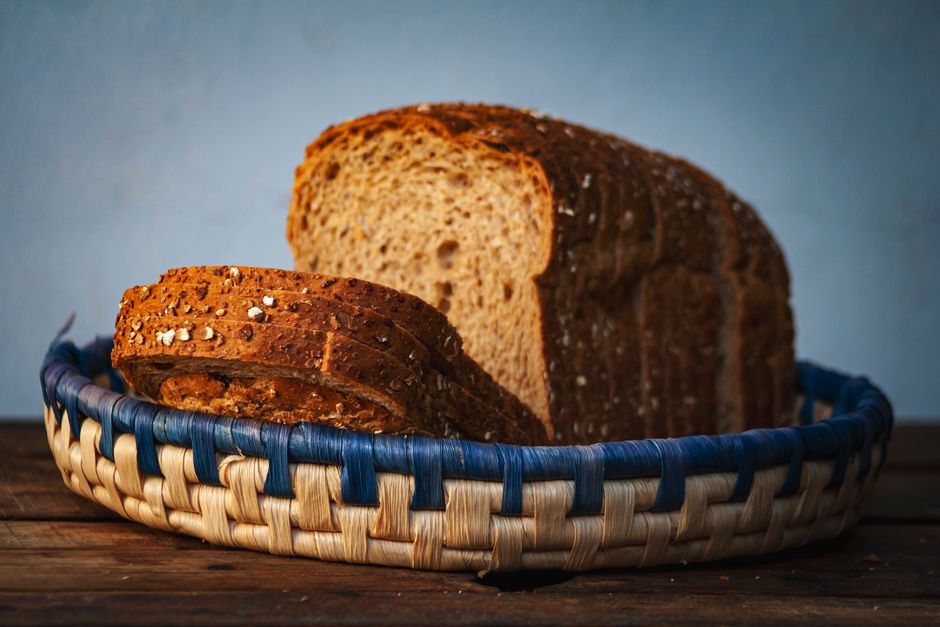
A single slice of regular white sandwich bread contains about 14 to 15 grams of total carbohydrates. Whole wheat bread lands in roughly the same range, usually 12 to 15 grams per slice. The exact number depends on the slice’s weight, the brand, and the type of bread, but 15 grams is the figure most nutrition labels and diabetes exchanges use as a standard.
That number matters more than most people realize. Bread is one of the largest single sources of carbohydrates in the American diet, and the difference between a thin slice of dense rye and a thick slice of Texas toast can be 10 grams or more. If you are counting carbs for diabetes, weight management, or any other reason, the label on the package is the only reliable source.
How Many Carbohydrates In A Slice Of Bread By Type?
Bread type changes the carb count, but often less than people expect. A slice of white sandwich bread and a slice of whole wheat bread are usually within a gram or two of each other. The bigger variables are slice thickness and slice weight, not the grain.
Here is how common breads compare per average slice. These are typical values, not guarantees — brands vary meaningfully.
| Bread Type | Total Carbs Per Slice | Notes |
|---|---|---|
| White sandwich bread | 14–15 g | Standard reference value |
| Whole wheat bread | 12–15 g | Similar carbs, more fiber |
| Sourdough | 15–17 g | Larger average slice |
| Rye bread | 15–17 g | Dense, heavier slice |
| Pumpernickel | 15–18 g | Dense, often thicker cut |
| Bagel (one whole, 4-inch) | 50–60 g | Equals 3–4 slices of bread |
Notice that sourdough and rye are not low-carb options. A common assumption is that darker or tangier bread has fewer carbs. It usually does not. What changes is fiber content, glycemic response, and how filling the bread feels — not the total carbohydrate number in any dramatic way.
Does The Carb Count Change With Fiber?
Fiber is a carbohydrate, but your body does not digest most of it. That is why nutrition labels list total carbohydrates and dietary fiber separately. If you are counting net carbs, you subtract fiber from total carbs.
A slice of white bread typically has less than 1 gram of fiber. A slice of 100% whole wheat bread often has 2 to 3 grams. So while both might show 14 grams of total carbs on the label, the whole wheat slice may count as roughly 11 to 12 grams of net carbs versus about 13 to 14 for white.
This is where the “net carb” concept gets used — and where it also gets misused. The FDA does not formally define net carbs, and food companies use the term loosely. For people managing diabetes, the American Diabetes Association has historically recommended counting total carbohydrates rather than net carbs, because the blood sugar impact of fiber varies by person and by fiber type. Some clinicians use net carbs; the evidence for doing so consistently is not strong. If you are adjusting insulin doses, follow the method your care team has given you.
Why Do Labels Sometimes Show Different Numbers?
Two loaves that look identical can carry different carb counts for a few honest reasons.
- Slice weight. A slice from a 20-ounce loaf is heavier than one from a 16-ounce loaf. More bread means more carbs.
- Added sugars. Many commercial breads contain high fructose corn syrup, honey, or molasses. These add carbs without adding fiber.
- Rounding. The FDA allows food manufacturers to round carbohydrate values. A bread with 14.4 grams can legally be labeled as 14 grams.
- Serving size. Some labels list carbs per 1 slice, others per 2 slices, and some per 100 grams. Read carefully.
The serving size detail trips up more people than any other. A label that reads “26 grams of carbs” may be for two slices, not one. Always check the number of slices the label is based on before you do any math.





How Does Bread Compare To Other Carb Sources?
Bread is often singled out, but it is not unusually carb-dense compared to other staples. What makes it different is how easy it is to eat several slices without noticing.
| Food | Carbs | Portion |
|---|---|---|
| White bread | ~15 g | 1 slice |
| Cooked white rice | ~45 g | 1 cup |
| Cooked pasta | ~43 g | 1 cup |
| Medium banana | ~27 g | 1 fruit |
| Medium potato (baked) | ~37 g | 1 potato |
| Rolled oats (dry) | ~27 g | 1/2 cup |
These values come from standard USDA nutritional data. They show why a sandwich is a bigger carb event than a single slice eaten alone. Two slices of bread plus a spread can easily reach 40 grams before you add anything else.
What About Low-Carb And Keto Bread?
Low-carb breads exist, and their labels often show 1 to 5 grams of net carbs per slice. The catch is how they get there.
Most use a combination of modified wheat starch, resistant starch, psyllium, flax, or added fiber to replace digestible flour. Total carbohydrate on the label may still read 10 to 15 grams, with 8 to 12 grams of that being fiber. The net carb math looks impressive. Whether your blood sugar responds the way the label implies is a separate question — and one that varies by person.
Some small studies have looked at whether resistant starch and modified starches raise blood glucose less than regular flour. Results have been mixed, and the studies are generally short and small. There is no large, long-term trial showing that low-carb bread produces meaningfully better health outcomes than regular bread in the general population. If you eat low-carb bread because it fits your carb budget, that is a reasonable personal choice. It is not a proven health upgrade.
How Do You Count Carbs From Bread Accurately?
Weigh it. That is the only method that removes guesswork.
A food scale costs little and settles the question permanently. Weigh your slice in grams, then use the label’s carbs-per-100-grams figure to calculate the exact amount. A 30-gram slice of a bread labeled “50 g carbs per 100 g” works out to 15 grams of carbs. A 45-gram slice of the same bread is 22.5 grams.
If you do not want to weigh, these habits help:
- Read the serving size every time. It is not always one slice.
- Compare brands by carbs per 100 grams, not per slice. That normalizes for slice size.
- Check fiber. Higher fiber does not lower total carbs, but it changes net carbs.
- Watch the spreads. Butter adds no carbs; jam, honey, and nutella add plenty.
For people with diabetes using carbohydrate counting for insulin dosing, the standard exchange value is 15 grams of carbs per slice of bread. That number has been used in diabetes education for decades and remains the working figure in most clinical settings. It is close enough for most breads and simple enough to use in real time.
Does Bread Type Affect Blood Sugar Differently?
Yes, but less than most people assume, and in ways that vary by individual.
Whole grain breads tend to produce a slower rise in blood glucose than white bread, largely because of fiber, protein, and the physical structure of the grain. Sourdough has also been studied for its lower glycemic response in some research, though results are not consistent across all studies or all people.
What matters more than bread type for most people is what you eat with the bread. Fat, protein, and fiber slow digestion and blunt the blood sugar spike. A slice of white bread with eggs and avocado will affect blood sugar differently than the same slice eaten alone. This is well established in nutrition research.
The takeaway is not that bread type does not matter. It is that the total meal matters more. Chasing the “best” bread while ignoring the rest of the plate misses the bigger picture.
Frequently Asked Questions
How many carbs are in one slice of white bread?
A typical slice of white sandwich bread contains about 14 to 15 grams of total carbohydrates. The exact number depends on slice weight and brand, so check the label for the most accurate figure.
Is whole wheat bread lower in carbs than white bread?
Not usually. Whole wheat and white bread have similar total carbohydrate counts, typically 12 to 15 grams per slice. Whole wheat usually has more fiber, which lowers net carbs but not total carbs.
How many carbs are in two slices of bread?
Two average slices contain roughly 28 to 30 grams of total carbohydrates. Thicker cuts, larger slices, or breads with added sugars can push this higher.
Does toasting bread change the carb count?
No. Toasting removes water but does not change the carbohydrate content of the bread. A slice has the same carbs whether you eat it toasted or not.
