
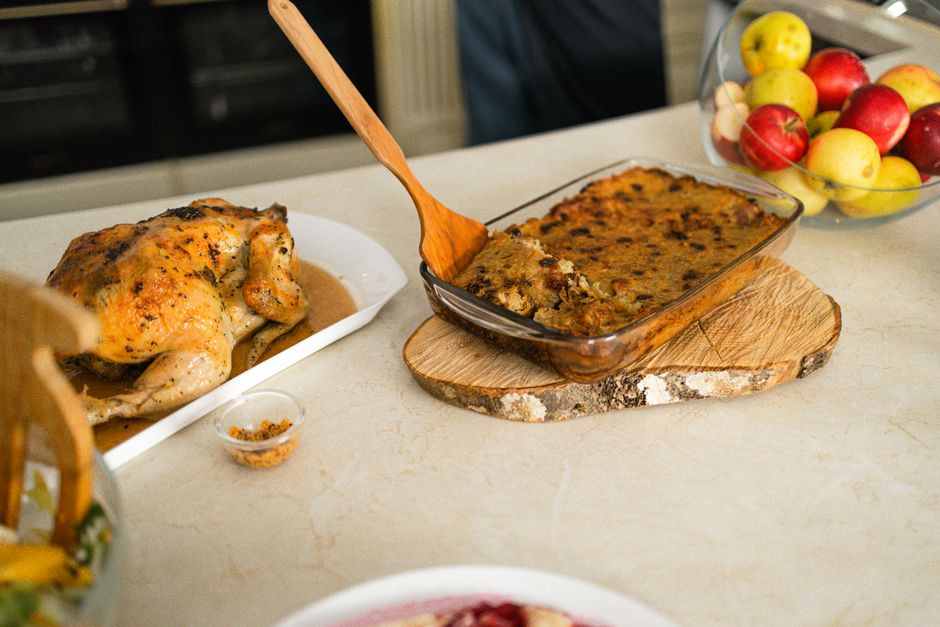
Baked chicken can be a genuinely healthy choice. It is a lean source of complete protein, low in saturated fat when you leave the skin off, and it fits well into most eating patterns. How healthy it ends up being depends almost entirely on two things: which cut you bake and what you put on it before it goes in the oven.
Chicken is one of the most commonly eaten meats in the United States. That popularity makes sense. It is versatile, widely available, and affordable. But “baked chicken” covers everything from a plain skinless breast to a breaded thigh smothered in sauce. Those are very different foods from a nutrition standpoint.
Is Baked Chicken Healthy For You?
Yes, baked chicken is healthy for most people. It delivers high-quality protein with relatively little saturated fat, especially compared with red meat. The baking method itself is one of the better ways to cook chicken because it does not require added fat the way frying does.
Protein matters more than many people realize. It supports muscle maintenance, immune function, and tissue repair. Adults generally need protein every day, and chicken is an efficient way to get it. A skinless chicken breast is roughly 70 to 80 percent water and provides about 31 grams of protein per 100 grams cooked, according to USDA nutrient data.
The health picture changes with the cut and preparation. Dark meat has more fat than white meat. Skin adds fat and calories. Breading adds carbohydrates and often absorbs extra oil. A baked chicken breast with herbs is a different nutritional profile than baked chicken parmesan.
What Nutrients Does Baked Chicken Provide?
Chicken is primarily a protein food, but it brings several micronutrients along with it. The exact amounts vary by cut and whether the skin is on.
Skinless chicken breast is one of the leanest meats available. A 100-gram cooked portion provides roughly 31 grams of protein and about 3 to 4 grams of fat, with most of that coming from unsaturated fat. Dark meat like thighs and drumsticks contains more fat, including a higher share of saturated fat, but also more iron and zinc.
Chicken supplies B vitamins, particularly niacin and vitamin B6, along with phosphorus and selenium. These nutrients support energy metabolism and normal cell function. The liver is far richer in vitamins and minerals than muscle meat, but it is not what most people mean by baked chicken.
One point worth clarifying: chicken is often described as a “complete protein,” meaning it contains all nine essential amino acids your body cannot make on its own. That is accurate. It is also true of most animal proteins and of soy. Chicken is convenient and lean, not uniquely superior.
White Meat vs Dark Meat: Does the Cut Matter?
The cut matters a great deal for fat and calorie content. White meat is leaner. Dark meat is fattier but also more nutrient-dense in certain minerals.
Neither is inherently “bad.” The right choice depends on your overall diet, calorie needs, and health goals. Someone watching saturated fat may prefer breast meat. Someone who finds breast meat dry and unappealing may eat more chicken overall if they choose thighs.
| Cut (100g cooked, skinless) | Protein | Total fat | Saturated fat |
|---|---|---|---|
| Chicken breast | ~31g | ~3-4g | ~1g |
| Chicken thigh | ~25g | ~9-10g | ~2.5-3g |
These figures come from USDA nutrient data and are approximate. Cooking method, exact portion, and whether skin is included shift the numbers. Leaving the skin on can add significant fat and calories to either cut.





Does Baking Make Chicken Healthier Than Frying?
Baking is generally a healthier cooking method than deep frying. Frying adds fat and calories, and high-heat frying can produce compounds that are less desirable in large amounts. Baking avoids the added oil that frying requires.
That does not make all baked chicken automatically healthy. Breading and coating can add fat and refined carbohydrates. Baking in a sugary glaze adds sugar. Baking a chicken in a cream-based sauce changes the fat profile considerably.
There is also a food safety angle that applies to any cooking method. Chicken must reach a safe internal temperature to kill harmful bacteria like Salmonella and Campylobacter. The USDA recommends cooking poultry to an internal temperature of 165°F (74°C). A food thermometer is the only reliable way to confirm this. Color and juice clarity are not dependable indicators.
One practical note: high-temperature baking and roasting can create heterocyclic amines (HCAs), compounds formed when meat is cooked at high heat. The evidence linking typical dietary exposure to cancer risk in humans is not conclusive. The research is more established for very high intakes of well-done, charred meat. Reducing charring and avoiding prolonged high-heat cooking are reasonable precautions, but this is an area of ongoing study rather than settled fact.
What Should You Watch Out For With Baked Chicken?
Most concerns around baked chicken come from what is added to it, not the chicken itself. Marinades, coatings, and sides often carry more sodium, sugar, and fat than people expect.
- Sodium: Many marinades, rubs, and store-bought breadings are high in sodium. The American Heart Association recommends no more than 2,300 mg of sodium per day for most adults, and ideally closer to 1,500 mg for people with high blood pressure. A heavy-handed marinade can contribute a meaningful share of that.
- Added fat: Butter basting and oil-heavy coatings increase fat and calorie content. Olive oil in moderation is a reasonable choice, but quantity matters.
- Breading: Breadcrumbs add refined carbohydrates and often absorb oil. If you are managing blood sugar or calories, a lighter coating or no coating may suit you better.
- Processed or pre-seasoned products: Some packaged chicken products labeled “baked” or “oven-roasted” are highly processed and contain added sodium, phosphates, and preservatives. Reading the label matters.
- Charring: Very dark, charred areas contain more of the compounds formed during high-heat cooking. Trimming charred portions is a simple precaution.
None of these make baked chicken unhealthy by default. They are variables that affect how healthy a given preparation is.
How Does Baked Chicken Fit Into a Healthy Diet?
Baked chicken fits well into most balanced eating patterns, including Mediterranean-style diets and general heart-healthy eating. It works as a protein anchor for a meal that includes vegetables, whole grains, and a source of healthy fat.
Portion size still matters. A typical serving of meat is about 3 to 4 ounces cooked, roughly the size of a deck of cards. Many restaurant portions and home servings run larger than that. The protein itself is not the problem; the overall calorie load of a large portion can be.
How you build the plate around the chicken matters as much as the chicken. Roasted vegetables, a whole grain, and a modest amount of healthy fat make a balanced meal. Creamy sauces, white bread, and fried sides shift the balance.
For people with specific health conditions, the picture can vary. Someone with chronic kidney disease may need to manage protein intake under medical guidance. Someone with high blood pressure may need to watch sodium carefully. These are situations where a clinician’s advice should guide choices, not general nutrition articles.
Is Baked Chicken Healthy For You If You Are Trying to Lose Weight?
Baked chicken can support weight management because it provides satisfying protein with relatively few calories when prepared lean. Protein tends to promote fullness, which can help with appetite control. That is a well-established effect, though individual results vary.
The preparation determines the calorie load. A plain baked skinless breast is very different from a breaded, cheese-topped, sauce-covered version. Weight management depends on total calories and overall diet quality, not on any single food.
Baked chicken is not a magic food. It is a useful building block. What surrounds it on the plate and across the day matters more than the chicken itself.
How Should You Bake Chicken to Keep It Healthy?
Simple preparation keeps baked chicken in healthy territory. Season with herbs, spices, garlic, lemon, or a modest amount of olive oil. Avoid heavy butter basting and sugary glazes. Bake at a moderate temperature and use a food thermometer to confirm the internal temperature reaches 165°F.
Skinless cuts are leaner. If you prefer skin-on chicken for flavor or moisture, you can remove the skin before eating. Dark meat stays moister during baking, which matters for people who find breast meat dry and unappealing.
Batch baking chicken for the week is a practical habit. Cooked chicken keeps in the refrigerator for about 3 to 4 days according to USDA food safety guidance. Cool it promptly and store it properly.
The short version: baked chicken is a healthy food when it is lean, simply seasoned, and cooked safely. The chicken itself is rarely the problem. What goes on it and with it usually is.
Frequently Asked Questions
Is baked chicken breast healthy?
Yes, baked skinless chicken breast is one of the leanest protein foods available, with about 31 grams of protein and 3 to 4 grams of fat per 100 grams cooked. Its healthiness depends on avoiding heavy coatings, sauces, and excess sodium.
Is baked chicken healthier than fried chicken?
Generally yes, because baking avoids the added oil and extra calories that deep frying requires. Breading and heavy sauces can narrow that gap, so preparation still matters.
Is it safe to eat baked chicken every day?
For most people, eating chicken daily as part of a varied diet is not a concern. Variety across protein sources, including fish, legumes, and eggs, is generally recommended for balanced nutrition.
Does baking chicken destroy its nutrients?
Baking causes some nutrient loss, particularly of certain B vitamins, but the effect is modest at typical oven temperatures. Chicken remains a good source of protein and micronutrients after baking.
