
Costco’s pumpkin pie is a 58-ounce dessert that typically sells for under $6, and most people buy it to feed a crowd, not to eat a slice a day. A single serving — one-eighth of that pie — delivers roughly 380 calories, about 40 grams of sugar, and a meaningful share of your daily saturated fat. It is not a health food, and it is not a junk food catastrophe. It is a dessert, and it is best understood as one.
Pumpkin itself is genuinely nutritious. The pie is not the pumpkin. Between the added sugar, the enriched crust, and the fat in the filling, the finished product lands closer to a slice of cake than to a vegetable side dish. Knowing the actual numbers helps you decide how it fits into your day.
What Are the Nutrition Facts for Costco Pumpkin Pie?
The pie is 58 ounces and is typically cut into 12 slices, though many people cut it into 8 larger pieces. Serving size matters more than almost anything else here, because the difference between a 12th and an 8th is a 50% jump in everything.
Based on the label the bakery publishes, one serving — defined as one-twelfth of the pie — contains roughly:
- About 250 to 260 calories
- Around 27 grams of sugar
- Roughly 5 grams of saturated fat
- About 2 grams of fiber
- Around 3 grams of protein
If you cut the same pie into 8 slices instead, each piece lands near 380 calories and about 40 grams of sugar. That is the real-world number most people eat, because an eighth of a pie is a normal-looking slice on a plate.
The sugar figure is the one worth pausing on. The American Heart Association suggests limiting added sugars to no more than about 36 grams per day for most men and 25 grams per day for most women. A single twelfth-slice can approach or exceed that for many people. An eighth-slice goes past it.
None of this is unique to Costco. A homemade pumpkin pie made from a standard recipe lands in a similar range. The size of the Costco pie is what makes it feel different — you are buying a lot of dessert at once, and portion control becomes the whole game.
Is Costco Pumpkin Pie Healthy Nutrition Facts — Does the Pumpkin Help?
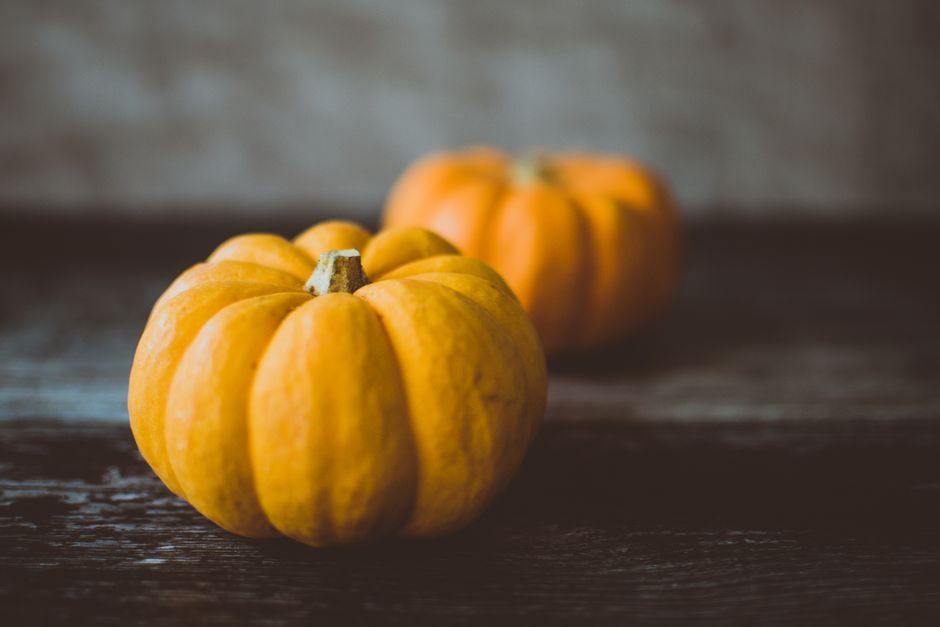
Pumpkin is a genuinely nutrient-dense food, and the pie does contain some of it. But the amount in a single slice is small, and it arrives packaged with sugar and fat that change the overall picture.
Plain cooked pumpkin is high in beta-carotene, which the body converts to vitamin A. It also provides vitamin C, potassium, and fiber, and it is very low in calories. Those are real nutritional strengths.
The problem is dilution and addition. A pie filling uses a modest amount of pumpkin relative to the sugar, evaporated milk, eggs, and spices around it. The finished custard is mostly a sweetened dairy-and-egg matrix with pumpkin stirred in for flavor and color.
You still get some vitamin A from a slice, since beta-carotene is fairly heat-stable and the fat in the filling can actually aid its absorption. But you are paying for that vitamin A with a large dose of added sugar. If your goal is pumpkin’s nutrients, eating roasted pumpkin or adding canned pumpkin to oatmeal gets you there without the sugar load.
How Much Sugar Is in a Slice of Costco Pumpkin Pie?
Roughly 27 grams of sugar per twelfth-slice, and about 40 grams if you cut the pie into eighths. For context, a standard 12-ounce can of regular soda contains about 39 grams of sugar.
That comparison is not meant to say pie and soda are nutritionally identical. Pie also contains fat, protein, and some fiber, which slow digestion and blunt the blood sugar spike compared to a liquid sugar source. But the total sugar load is in the same neighborhood, and that surprises a lot of people.
For anyone managing blood sugar — prediabetes, type 2 diabetes, or gestational diabetes — this matters. The American Diabetes Association does not ban dessert. It emphasizes portion size and pairing carbohydrates with protein and fat. A small slice after a meal that already contains protein and fiber will affect blood glucose differently than eating the same slice alone on an empty stomach.
If you monitor your blood sugar, the most useful thing you can do is check your own response rather than rely on a general rule. Individual glucose responses to the same food vary widely between people.


Is Pumpkin Pie Better or Worse Than Other Holiday Desserts?
Pumpkin pie is generally a middle-of-the-road dessert. It is usually lighter than pecan pie and often comparable to or slightly lighter than many frosted cakes and cheesecakes, depending on the slice.
Pecan pie is the heaviest common holiday option, largely because of the corn syrup filling and the nuts. A typical slice can run well above 500 calories with a large amount of sugar. Cheesecake is dense and calorie-heavy per slice. Fruit pies vary enormously depending on the recipe and the amount of added sugar.
Pumpkin pie’s advantage is that its filling is relatively light — no heavy frosting, no layer of caramel, no cream cheese base. Its disadvantage is the crust, which is made from flour and a solid fat, and the sugar in the custard.
If you are choosing among desserts at a table, pumpkin pie is a reasonable pick. That is a relative statement. It does not make the pie a low-sugar food, and it does not mean you can eat more of it.
How Should You Fit Pumpkin Pie Into a Healthy Diet?
Dessert can be part of a healthy eating pattern. The evidence on long-term health and diet does not support the idea that any single food is off-limits. What matters is how often and how much.
A few practical points that rest on well-established nutrition principles:
- Cut the pie into 12 slices rather than 8. The slice looks smaller but the numbers drop meaningfully.
- Eat it after a meal that includes protein and fiber, not on its own. This tends to soften the blood sugar rise.
- Skip the whipped cream if you are watching calories and saturated fat — it can add 50 to 100 calories per dollop depending on how much you use.
- Freeze what you will not eat within a few days. A 58-ounce pie is a lot of dessert to have sitting on the counter.
A note on the whipped cream: many people focus on the pie and forget the topping. A generous scoop of sweetened whipped cream can add more sugar and saturated fat than the difference between a 12th and an 8th slice. If you are tracking, count both.
For people with diabetes, the general clinical guidance is to account for the carbohydrate in dessert within your overall daily intake and to work with your care team on how to adjust. No clinical guidelines exist that say pumpkin pie is safe or unsafe for any specific person — that depends on your individual glucose control and medications.
Does the Crust or Filling Change the Health Picture?
The crust contributes most of the saturated fat and a good share of the refined carbohydrate. The filling contributes most of the sugar. Both matter, and neither can be removed without changing what the pie is.
A standard pie crust is made from flour, a solid fat such as butter or shortening, water, and often a little sugar and salt. That combination is high in refined carbohydrate and, depending on the fat used, in saturated fat. The crust is not where pumpkin pie’s nutritional value lives.
The filling is a custard of pumpkin, evaporated milk, eggs, sugar, and spices. The eggs and milk add protein and some fat, which is partly why pie does not spike blood sugar the way soda does. The sugar is the main concern.
Some people make a crustless pumpkin pie or use a nut-based crust to reduce the refined carbohydrate and fat. That is a reasonable modification if you are baking at home. It does not apply to the Costco version, which comes as it comes.
Is Costco Pumpkin Pie a Good Value?
By cost per serving, it is one of the cheapest desserts you can buy. At a typical price under $6 for a 58-ounce pie, a twelfth-slice costs well under a dollar. That is genuinely hard to beat.
Value and health are separate questions, though. A food can be inexpensive and still be something to eat in moderation. The low price is part of why the pie is so popular, and part of why people buy more of it than they would otherwise.
If you are feeding a crowd at a holiday meal, the pie does its job. If you are buying it for a household of two, the freezer is your friend. Portioning it out before you start eating makes it easier to keep servings reasonable across the week.
Frequently Asked Questions
How many calories are in a slice of Costco pumpkin pie?
A twelfth-slice has roughly 250 to 260 calories, and an eighth-slice has about 380 calories. The number depends entirely on how many pieces you cut the pie into.
Is Costco pumpkin pie high in sugar?
Yes. A twelfth-slice contains about 27 grams of sugar, and an eighth-slice contains around 40 grams, which is close to the sugar in a 12-ounce soda.
Is pumpkin pie healthier than other desserts?
It is generally lighter than pecan pie and often comparable to many cakes and cheesecakes. That is a relative comparison and does not make it a low-sugar food.
Can people with diabetes eat Costco pumpkin pie?
General clinical guidance allows dessert within a planned carbohydrate intake, paired with protein and fiber. Individual blood sugar responses vary, so check with your care team about your specific situation.
