
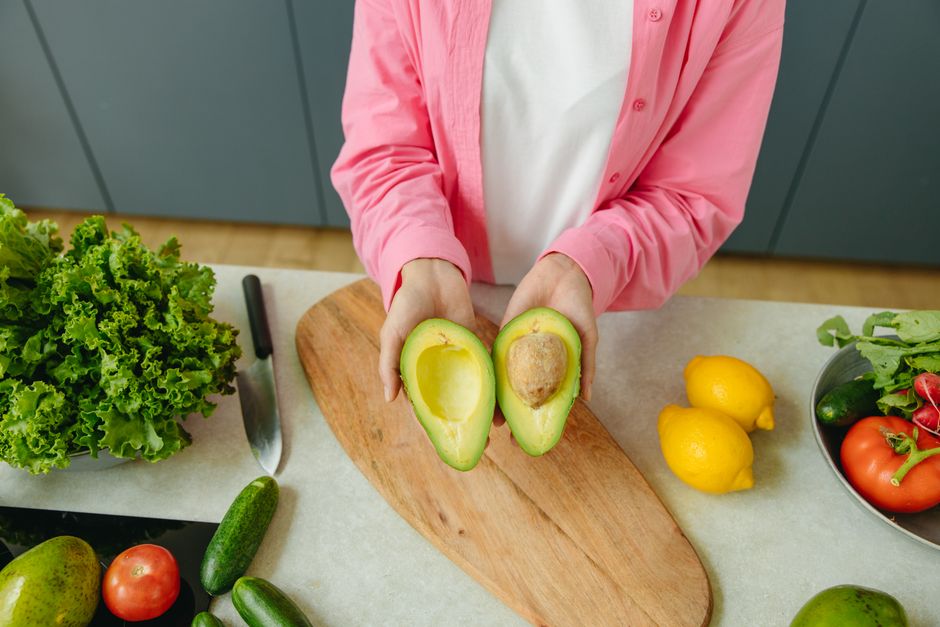
Avocado oil comes from the flesh of the fruit, not the seed. This is a common point of confusion because avocados are often treated like vegetables in cooking, but botanically they are fruits. The oil you buy in a bottle labeled “avocado oil” is pressed from the green pulp, or meat, of the avocado. While the large pit inside does contain compounds, it is not the commercial source of the oil used for cooking and skincare.
What Part of the Avocado Is Used for Oil?
Commercial avocado oil is extracted from the mesocarp, which is the technical name for the fleshy part of the fruit you eat. This is the same green material used to make guacamole. The flesh contains between 15 and 30 percent oil by weight, which makes it a rich source for extraction.
The seed, or pit, is a different story. It is hard, woody, and makes up only a small fraction of the fruit’s total weight. While the seed does contain some oil, it is not commercially viable to extract it on a large scale. The oil you find in grocery stores and health food shops is consistently sourced from the flesh.
Is Avocado Oil a Seed Oil Like Canola or Sunflower?
In the culinary world, the term “seed oil” usually refers to oils pressed from the seeds of plants, such as sunflower, safflower, canola, cottonseed, and grapeseed. These are often highly refined and are common in processed foods and restaurant frying.
Avocado oil does not fit into this category. It is a fruit oil, similar to olive oil. Both are pressed from the fleshy part of the fruit rather than the seed. This distinction matters for several reasons, including the fatty acid profile and how the oil behaves when heated.
How Does the Fatty Acid Profile Compare?
The fat composition of avocado oil is closer to olive oil than to typical seed oils. The majority of the fat in avocado oil is monounsaturated, specifically oleic acid. This is the same heart-healthy fat found in high amounts in olive oil.
Here is a general comparison of the primary fat types in common cooking oils:
| Oil Type | Primary Fat | Smoke Point (Approximate) |
|---|---|---|
| Avocado Oil | Monounsaturated (oleic acid) | High (about 480°F / 250°C) |
| Olive Oil | Monounsaturated (oleic acid) | Medium-High (about 375-405°F / 190-207°C) |
| Canola Oil | Monounsaturated | Medium-High |
| Sunflower Oil | Polyunsaturated (linoleic acid) | Medium-High |
The high smoke point of avocado oil is one reason it is popular for searing and high-heat cooking. The oil can reach high temperatures before it starts to break down and smoke, which is a practical advantage in the kitchen.





Does the Seed Oil Debate Apply to Avocado Oil?
There is a growing online trend that warns against “seed oils” due to their high content of omega-6 polyunsaturated fats. Some influencers claim these fats promote inflammation when consumed in large amounts. This debate is real, but it does not apply to avocado oil in the same way.
Avocado oil is low in polyunsaturated fats. It is primarily monounsaturated, which is the type of fat associated with heart health in numerous studies. Research consistently shows that replacing saturated fats with monounsaturated fats can improve cholesterol levels and reduce cardiovascular risk.
If you are trying to limit your intake of omega-6 fatty acids, avocado oil is not a concern. It is not a concentrated source of these fats. The seed oil debate centers on oils like soybean, corn, and sunflower, which are high in omega-6s and often heavily processed.
Are There Any Benefits to the Avocado Seed Itself?
Some research has looked at the avocado seed as a potential source of bioactive compounds. Studies have found that the seed contains antioxidants and fiber. However, this research is preliminary and mostly conducted in laboratory settings, not in human trials.
No clinical evidence currently confirms that eating the avocado seed provides any health benefit to humans. Some people dry, grind, and add the seed to smoothies, but this practice is not supported by evidence. The seed is hard and fibrous, and there is no established safe dosage or preparation method for human consumption.
The oil from the seed, if it were extracted, would have a different composition than the flesh oil. But again, this is not a commercial product you will find on shelves. The avocado oil available for purchase is from the flesh, and that is what the nutrition data reflects.
Is Cold-Pressed Avocado Oil Better?
Cold-pressed avocado oil is extracted without high heat or chemical solvents. This method preserves more of the natural antioxidants and phytosterols found in the fruit flesh. Refined avocado oil, on the other hand, undergoes processing that removes some of these compounds but also produces a more neutral flavor and an even higher smoke point.
Both forms are safe to consume. The choice depends on your priorities. If you want a more nutrient-dense oil with a richer, greener flavor, cold-pressed is the better option. If you need a neutral-tasting oil for high-heat cooking, refined avocado oil works well.
One important note: avocado oil has been subject to adulteration in the marketplace. Some studies have found that a portion of commercially available avocado oil is mixed with cheaper oils like soybean or sunflower oil. Buying from reputable brands that provide testing certificates can help ensure you are getting pure avocado oil.
What About Avocado Oil in Skincare?
Avocado oil is also used in cosmetics and skincare products. The same fatty acids that make it good for cooking make it a decent moisturizer. It is rich in oleic acid and contains vitamins A and E, which are fat-soluble antioxidants.
Topical application of avocado oil is generally well tolerated, but some people may find it too heavy or comedogenic, meaning it can clog pores. Evidence for its superiority over other plant oils in skincare is limited. It is a reasonable option for dry skin, but it is not a miracle ingredient.
The oil used in skincare is also from the fruit flesh. The seed is not a standard ingredient in commercial cosmetics.
Is Avocado Oil a Healthy Choice?
Yes, avocado oil is a healthy cooking fat. Its high monounsaturated fat content is supported by a large body of evidence linking this fat type to lower risk of heart disease. It also contains lutein, an antioxidant that may support eye health, although the amounts in oil are smaller than in the whole fruit.
Like all oils, avocado oil is calorie-dense. One tablespoon contains about 120 calories and 14 grams of fat. Using it in moderation as part of a balanced diet is the sensible approach. Replacing less healthy fats, like butter or lard, with avocado oil is a positive dietary change.
The distinction between fruit oils and seed oils is not just semantics. It reflects real differences in fat composition and how the body processes them. Avocado oil belongs in the same category as olive oil, not in the same category as canola or sunflower oil.
Frequently Asked Questions
Is avocado oil a seed oil?
No, avocado oil is a fruit oil pressed from the flesh of the avocado, not the seed. It is similar to olive oil in this regard.
Can you eat avocado seed oil?
Avocado seed oil is not a commercial product and is not sold for consumption. The oil available for purchase comes from the fruit flesh.
Is avocado oil healthier than olive oil?
Both are rich in monounsaturated fats and are considered healthy choices. Avocado oil has a higher smoke point, while olive oil has a more established research base.
Does avocado oil cause inflammation?
No evidence indicates that avocado oil promotes inflammation. Its high monounsaturated fat content is generally associated with anti-inflammatory effects.
