
Asbestos is a naturally occurring mineral that was mined and used in thousands of products for most of the 20th century. It is genuinely dangerous: every major health agency that has studied it classifies asbestos as a known human carcinogen. There is no safe level of exposure that researchers have been able to identify, and the diseases it causes can take decades to appear.
The short answer to whether asbestos is really that bad is yes. It kills people every year, and it still sits inside millions of older homes, schools, and workplaces. But the details matter, because the risk depends heavily on the type of asbestos, how it was handled, and whether the fibers became airborne.
What Makes Asbestos So Dangerous to Human Health?
The danger comes down to the shape and persistence of the fibers. Asbestos forms long, thin, needle-like crystals. When materials containing it are disturbed, these fibers can break loose and float in the air. They are small enough to be inhaled deep into the lungs, and the body has no effective way to break them down or clear them out.
Once lodged in lung tissue, the fibers stay there. Over years, they trigger chronic inflammation and scarring. This is the core mechanism behind nearly every asbestos-related disease. The fibers can also migrate into the lining around the lungs and abdomen, where they cause a cancer called mesothelioma.
Three things make asbestos unusually harmful compared to other dusts:
- The fibers resist being dissolved by the body, so they persist for decades.
- They are microscopic and can stay airborne for a long time.
- Repeated or heavy exposure increases the number of fibers that accumulate.
This is why asbestos is not a single hazard but a family of mineral types. The most commonly used form in the United States was chrysotile, or white asbestos. Another group, the amphiboles (including crocidolite and amosite), has been linked to higher rates of mesothelioma. Both are carcinogenic.
Which Diseases Does Asbestos Actually Cause?
Asbestos is linked to several distinct diseases, and they behave differently from one another. This matters because people often assume there is one “asbestos disease.” There are several.
Mesothelioma is a cancer of the thin membrane that lines the lungs, chest wall, and abdomen. It is rare in the general population but strongly associated with asbestos exposure. It can develop even from relatively low exposures and typically appears decades after the exposure occurred.
Lung cancer is the most common cancer caused by asbestos. The risk rises with heavier exposure, and it rises dramatically in people who both smoke and were exposed to asbestos. Smoking and asbestos multiply each other’s effects rather than simply adding them.
Asbestosis is a scarring of the lung tissue that causes shortness of breath and reduced lung function. It generally follows heavier, prolonged exposure rather than a single brief encounter. The scarring is permanent and tends to progress over time.
Other conditions linked to asbestos include cancer of the larynx and ovaries, and changes to the lining of the chest or abdomen. The evidence for these is strong enough that major health agencies include them, though they are less common than lung cancer and mesothelioma.
How Much Asbestos Exposure Is Actually Harmful?
This is where honest answers get uncomfortable. Researchers have not identified a threshold below which asbestos exposure is known to be safe. That is different from saying any single exposure will cause disease — it will not — but it means no one can promise a “safe” amount.
What the evidence does show is a clear relationship between dose and risk. Higher exposure, longer duration, and more frequent contact raise the chance of disease. People who worked directly with asbestos — miners, shipyard workers, insulation installers, and construction trades — had the highest rates of illness.
Lower-dose exposures are harder to study. Family members who washed contaminated work clothes, people who lived near asbestos factories, and building occupants exposed to disturbed materials have all shown elevated risks in some studies. The size of that risk is debated, and it varies by situation.
A single brief encounter with asbestos does not mean a person will get sick. But because the diseases take so long to develop, and because no safe level has been confirmed, public health agencies treat all exposures as something to minimize.





Is Asbestos Still Used Today?
Asbestos is not banned in the United States the way it is in many other countries. As of this writing, it remains legal in some products, though its use has dropped sharply since the 1970s. More than 60 countries have banned it entirely.
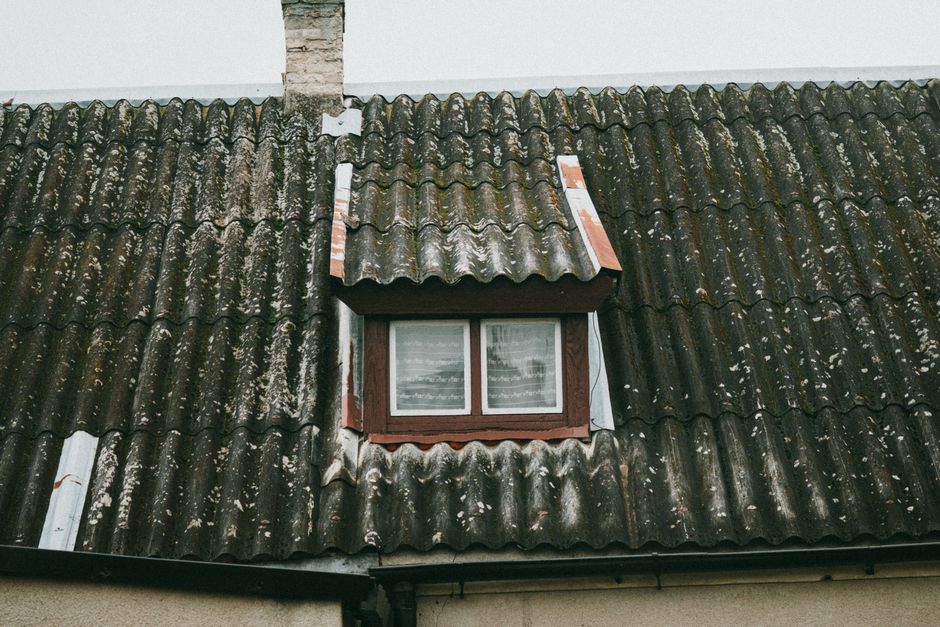
The bigger issue for most people is not new asbestos but old asbestos. It was built into floor tiles, ceiling tiles, pipe insulation, roofing, brake pads, and countless other products. Much of it is still in place in buildings constructed before the 1980s.
Asbestos that is intact and undisturbed is generally considered low risk, because the fibers are not being released. The risk rises when the material is cut, sanded, drilled, or crumbling. That is when fibers become airborne and can be inhaled.
This is why the standard advice for homeowners and workers is simple: if you suspect a material contains asbestos, do not disturb it. Do not sweep, sand, or break it up. If it must be removed, that work is best handled by trained professionals using proper containment and protective equipment.
How Long Does It Take for Asbestos to Cause Illness?
The delay between exposure and disease is one of the most difficult parts of asbestos medicine. Symptoms typically do not appear for many years, often decades, after the exposure happened. This long latency is a defining feature of asbestos-related disease.
Because of that delay, people exposed in the 1960s and 1970s were still being diagnosed in the 2000s and beyond. It also means a person’s current health does not tell you much about whether a past exposure will cause problems later.
This slow timeline has practical consequences. It makes the diseases hard to connect to a specific exposure, and it makes screening and early detection genuinely difficult. There is no routine test that reliably catches these diseases before symptoms begin.
What Should You Do If You Think You Were Exposed?
First, understand that exposure is not the same as disease. Most people exposed to asbestos do not develop an asbestos-related illness, though the risk depends on how much and how often they were exposed.
If you know you had significant exposure — especially through work — it is reasonable to tell your doctor. Mentioning it lets them factor it into your care, even though there is no specific test that predicts who will get sick.
If you are concerned about asbestos in your home, the safest first step is not to touch it. A certified inspector can assess whether a material contains asbestos and whether it poses a risk in its current condition. Removal is not always necessary; in many cases, leaving intact material alone is the safer choice.
For anyone who works around older building materials, the established protections are well documented: proper respiratory protection, wetting materials to reduce dust, containment of work areas, and safe disposal. These measures reduce exposure, and reducing exposure is the only proven way to lower risk.
Frequently Asked Questions
Is one-time asbestos exposure dangerous?
A single brief exposure is unlikely to cause disease, but no safe level of exposure has been confirmed.
Risk depends mostly on how much and how often a person was exposed over time.
Can asbestos in my home make me sick?
Intact asbestos that is not disturbed is generally considered low risk because fibers are not being released.
Risk rises when the material is cut, sanded, or crumbling and fibers become airborne.
How long after exposure do asbestos diseases appear?
Symptoms usually do not appear for many years, often decades, after the exposure occurred.
This long delay is a defining feature of asbestos-related illness.
Does smoking make asbestos worse?
Yes. Smoking and asbestos exposure multiply each other’s effects on lung cancer risk rather than simply adding together.
People who both smoke and were exposed to asbestos face a much higher risk than either factor alone.
