
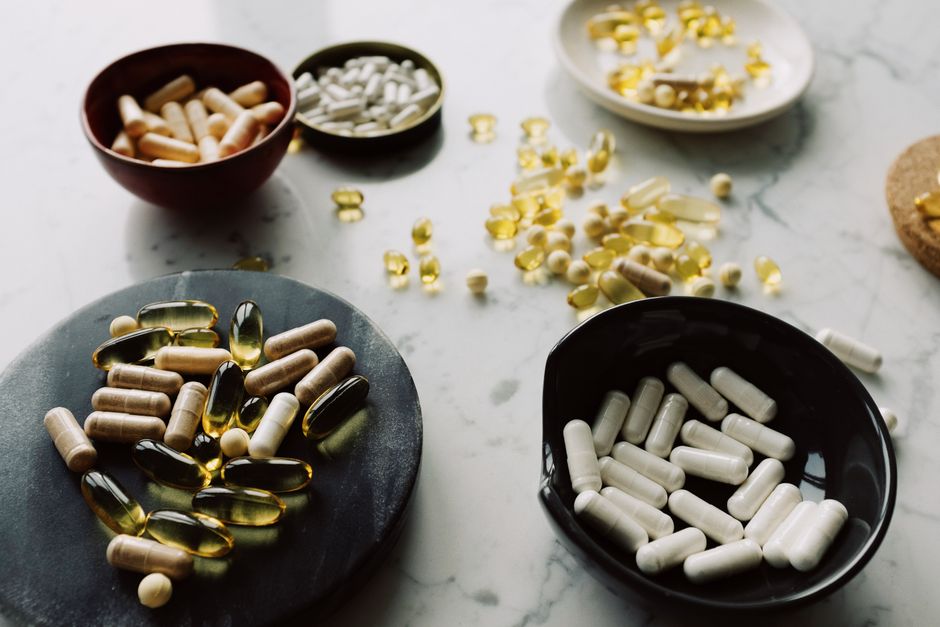
Walk into any health food store and you will see a wall of ashwagandha products. They look similar but they are not the same. The differences between root powder, leaf extract, KSM-66, and Sensoril matter a lot for what you actually get from the supplement. The short answer is no, all ashwagandha is not the same. The form, concentration, and part of the plant used change how it works in your body.
What Are the Main Types of Ashwagandha Supplements?
Ashwagandha supplements come in several distinct forms. The most common is root powder, which is simply the dried and ground root of the Withania somnifera plant. This is the traditional form used in Ayurvedic medicine for thousands of years. It contains a broad range of compounds including withanolides, alkaloids, and other plant chemicals.
Standardized extracts are much more common in modern supplements. KSM-66 is one of the most researched. It is a full-spectrum extract made only from the root. The manufacturer concentrates the withanolides to a specific percentage, usually around 5 percent. Another popular extract is Sensoril, which uses both the root and the leaves. Sensoril is standardized to contain a higher percentage of withanolide glycosides, typically around 10 percent.
You will also find ashwagandha in tinctures, capsules, powders, and gummies. Some products use the whole plant, including leaves and stems. Others use only the root. The part of the plant matters because the chemical profile is different. Leaves contain different withanolides than roots, and some researchers believe the root is more calming while the leaf may be more stimulating.
Does the Extraction Method Change How Ashwagandha Works?
Yes, the extraction method changes the final product significantly. KSM-66 uses a process called milk-based extraction. The manufacturer soaks the root powder in milk and water, then dries it. This method preserves the full spectrum of compounds found in the root. Research published in the Journal of Ethnopharmacology found that KSM-66 maintained a wider range of active compounds compared to alcohol-based extracts.
Sensoril uses a different process. It combines root and leaf material and extracts it with water and ethanol. This produces a higher concentration of withanolide glycosides, which are the compounds most linked to stress reduction. Some studies suggest Sensoril may be more potent for lowering cortisol levels, though the evidence is not definitive.
Alcohol-based extracts are also common. These are often cheaper to produce. They pull out different compounds than water-based methods. The problem is that many alcohol extracts lose some of the beneficial compounds during processing. A 2020 review in the journal Phytomedicine noted that alcohol extracts can degrade certain withanolides, making them less effective.
What Does Research on KSM-66 vs. Sensoril Show?
Research on KSM-66 is extensive. A 2019 study published in the Journal of Clinical Medicine found that KSM-66 reduced stress and anxiety in adults after 60 days. Participants who took 600 mg daily reported a 44 percent reduction in stress scores compared to placebo. The study used the Perceived Stress Scale, a validated measurement tool.
Sensoril has its own body of evidence. A 2012 study in the Indian Journal of Psychological Medicine found that Sensoril reduced cortisol levels by an average of 26 percent after 60 days. Cortisol is the primary stress hormone. Lowering it is linked to better sleep, reduced anxiety, and improved mood.
Both extracts work, but they may work differently. KSM-66 appears to affect the GABA system in the brain, which promotes calmness without drowsiness. Sensoril seems to have a stronger effect on the HPA axis, the system that controls your stress response. If you are looking for general stress relief, either one is a reasonable choice. If you have high cortisol levels specifically, Sensoril may be the better option based on the available evidence.




Is All Ashwagandha The Same Key Differences Explained: Root Powder vs. Extracts
Whole root powder is the least processed form of ashwagandha. It contains all the compounds naturally present in the root, but the concentration of active ingredients varies widely. One batch may have 1 percent withanolides while another has 4 percent. This inconsistency makes it hard to predict what you are getting.
Standardized extracts solve this problem. They guarantee a specific percentage of withanolides, usually between 2.5 and 10 percent. This means each dose delivers a predictable amount of active compounds. For someone who wants consistent results, a standardized extract is the better choice.
There is a tradeoff though. Some researchers argue that whole root powder contains compounds that work together in ways we do not fully understand. This is called the entourage effect. By isolating specific compounds, extracts may lose some of the synergistic benefits. The evidence for this is theoretical rather than proven. Most clinical studies use standardized extracts, so we have more data on their safety and effectiveness.
If you choose whole root powder, look for a product that lists the withanolide content on the label. Many do not. Without that information, you are essentially guessing at the potency. A typical dose of root powder is 1 to 2 grams per day. For standardized extracts, the dose is much smaller, usually 300 to 600 mg per day.
What Are the Side Effects and Safety Differences?
Ashwagandha is generally safe for most people, but the form you take can affect side effects. Root powder is gentler on the stomach than extracts. Some people report nausea, diarrhea, or upset stomach with concentrated extracts, especially at higher doses. Starting with a lower dose and increasing slowly can help.
Thyroid function is another consideration. Ashwagandha can increase thyroid hormone levels. A 2018 study in the Journal of Alternative and Complementary Medicine found that participants with subclinical hypothyroidism who took ashwagandha saw their TSH levels drop significantly. For people with normal thyroid function, this is usually not a problem. But if you have hyperthyroidism or take thyroid medication, you should talk to your doctor first.
Blood pressure and blood sugar can also be affected. Ashwagandha may lower both. This is beneficial for some people but can be dangerous if you already take medication for these conditions. The effect is stronger with standardized extracts than with root powder because the active compounds are more concentrated.
Pregnancy is a clear contraindication. The American Herbal Products Association warns against using ashwagandha during pregnancy because it may cause uterine contractions. There is no solid evidence that it causes miscarriages, but the risk is not worth taking.
How to Choose the Right Ashwagandha for Your Needs
Start by deciding what you want to achieve. If your main goal is stress reduction and better sleep, KSM-66 or Sensoril are both backed by good research. For general daily stress, KSM-66 at 300 to 600 mg is a solid choice. For high cortisol or severe anxiety, Sensoril may be more effective.
If you prefer a more traditional approach, whole root powder is fine as long as you buy from a reputable brand that tests for withanolide content. Look for a certificate of analysis from a third-party lab. This ensures the product actually contains what the label says.
Avoid products that do not list the withanolide percentage. Also avoid blends that mix ashwagandha with other herbs unless you specifically want that combination. You lose the ability to know which ingredient is doing what.
Here is a quick comparison of the main forms:
| Form | Standardized Withanolides | Typical Dose | Best For |
|---|---|---|---|
| Whole root powder | 1-4% (varies) | 1-3 grams | Traditional use, general wellness |
| KSM-66 | 5% | 300-600 mg | Stress reduction, sleep |
| Sensoril | 10% | 125-250 mg | High cortisol, anxiety |
| Alcohol extract | Varies | Varies | Cost savings, but less research |
Quality matters more than price. Cheap ashwagandha is often made from low-quality plant material or has a low withanolide content. You get what you pay for. Brands that invest in third-party testing and transparent labeling are worth the extra cost.
Common Misconceptions About Ashwagandha
One of the biggest myths is that all ashwagandha is the same because it comes from the same plant. This is not true. The part of the plant used, the extraction method, and the standardization level all change the final product. Buying the cheapest option often means getting a product that does very little.
Another misconception is that higher withanolide percentage is always better. This is not necessarily true. KSM-66 has 5 percent withanolides but is very effective because it preserves the full spectrum of root compounds. Sensoril has 10 percent but uses both root and leaf. Higher concentration does not always mean better results for your specific needs.
Some people believe ashwagandha works instantly. It does not. Most studies show benefits after 4 to 8 weeks of consistent use. Taking it for a few days and expecting results will lead to disappointment. This is not a quick fix. It is a gradual adaptogen that helps your body handle stress over time.
Finally, there is a belief that ashwagandha is completely safe because it is natural. Natural does not mean harmless. Ashwagandha interacts with thyroid, blood pressure, and blood sugar. It can cause side effects in some people. Treat it with the same respect you would give any medication.
Frequently Asked Questions
Can I take ashwagandha root powder and extract interchangeably?
No, they are not interchangeable because the concentration of active compounds is very different. Root powder requires a much higher dose and gives less predictable results than a standardized extract.
Does the brand of ashwagandha matter?
Yes, brand quality varies significantly. Look for brands that provide third-party testing and list the withanolide percentage on the label to ensure you are getting what you pay for.
Is KSM-66 better than Sensoril for sleep?
KSM-66 may be slightly better for sleep because it affects the GABA system directly. Sensoril is more focused on lowering cortisol, which also helps sleep but through a different mechanism.
Can I take ashwagandha with other supplements?
Yes, but check for interactions. Ashwagandha can lower blood pressure and blood sugar, so combining it with medications or supplements that do the same may cause levels to drop too low.
