
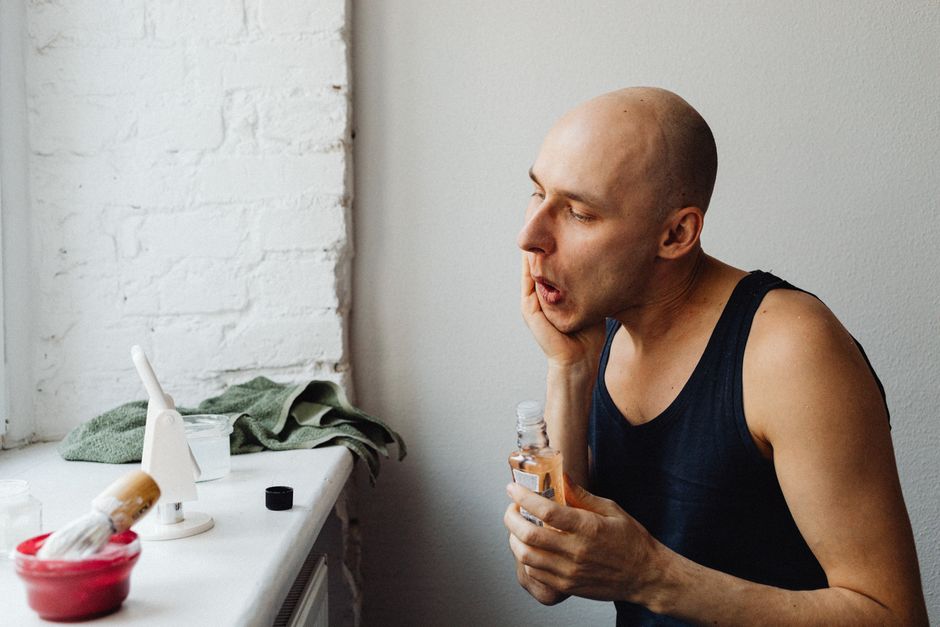
If you have ever splashed on aftershave after shaving and felt a sharp sting, you have probably wondered if it is actually helping your skin or just hurting it. The short answer is that it depends entirely on the formula. A classic alcohol-based aftershave can dry out and irritate skin, while a modern alcohol-free balm or lotion can soothe and protect it. One is a relic of the past, and the other is a legitimate skincare step.
What Is Aftershave Actually Made Of?
Aftershave products fall into two main categories. The traditional splash is mostly alcohol, water, and fragrance. The alcohol content can be as high as 70 percent. That is why it stings on freshly shaved skin. The alcohol acts as an antiseptic, which was important before modern razors and clean water were common. But it also strips the skin of its natural oils.
The second category is aftershave balm or lotion. These are alcohol-free. They contain ingredients like glycerin, aloe vera, vitamin E, and soothing plant extracts. Their job is not to disinfect. Their job is to calm irritation and replace moisture that shaving removes.
Some products sit in the middle. They have a small amount of alcohol plus moisturizers. These can still be drying for people with sensitive skin. The best way to know what you are using is to read the ingredient list. If alcohol or denatured alcohol is one of the first three ingredients, it is a traditional splash.
Is Aftershave Good For Your Skin It Depends on Your Skin Type
Your skin type matters more than the product name. A person with oily, thick skin may tolerate an alcohol splash without issue. Someone with dry, sensitive, or acne-prone skin will likely react badly. The American Academy of Dermatology notes that alcohol-based products can disrupt the skin barrier and worsen conditions like eczema and rosacea.
If you have normal to oily skin and do not experience razor burn, a traditional aftershave may work fine for you. The alcohol can help tighten pores temporarily and give a clean, refreshed feeling. But that feeling is temporary. The drying effect can cause your skin to produce more oil later to compensate.
For anyone with dry or sensitive skin, an alcohol-free balm is the better choice. These products hydrate and reduce redness. They also help repair the tiny cuts and abrasions that shaving creates. Research published in the Journal of Cosmetic Dermatology has shown that moisturizers containing glycerin and ceramides improve skin barrier function after shaving.
Does Aftershave Actually Prevent Razor Burn or Infection?
This is where the marketing and the evidence do not always line up. Traditional aftershave splashes were originally marketed as antiseptics. The idea was that alcohol would kill bacteria on freshly cut skin and prevent infection. That part is true. Alcohol does kill bacteria. But modern shaving with a clean razor on clean skin rarely causes bacterial infections in the first place.
What actually causes razor burn is friction, dull blades, and shaving without enough lubrication. No amount of alcohol will fix that. In fact, alcohol can make razor burn worse by further inflaming already irritated skin. The CDC does not recommend using alcohol-based products on broken skin for wound care because it damages healthy tissue.
Some studies suggest that products containing witch hazel or tea tree oil have mild antibacterial properties without the harsh drying effect of alcohol. But the evidence is not strong enough to say they prevent infection better than simply washing your face with mild soap and water. The best way to prevent razor burn is to use a sharp blade, shave in the direction of hair growth, and apply a moisturizer afterward.



What Are the Side Effects of Traditional Aftershave?
The most common side effect is immediate stinging and redness. That is the alcohol irritating the skin. For some people this goes away quickly. For others it can lead to persistent dryness, flaking, or a tight feeling that lasts for hours. Over time, repeated use of high-alcohol aftershave can weaken the skin barrier.
A weaker skin barrier means your skin loses water more easily and becomes more vulnerable to irritants and allergens. A study in the British Journal of Dermatology found that repeated application of alcohol-based products to the skin increased transepidermal water loss by over 20 percent in participants with sensitive skin. That is a measurable loss of moisture.
Fragrance is another issue. Many aftershaves contain synthetic fragrances that can cause allergic contact dermatitis. The American Contact Dermatitis Society lists fragrance as a common allergen. If you develop a rash, itching, or small bumps after using aftershave, the fragrance may be the cause. Patch testing by a dermatologist can confirm this.
What Should You Look for in an Aftershave Product?
If you want to use aftershave without damaging your skin, avoid anything with alcohol listed in the first five ingredients. Look for products that list a moisturizer like glycerin, shea butter, or aloe vera near the top. A good aftershave balm will have more hydrating ingredients than preservatives and thickeners.
Here is a simple comparison of the two main types:
| Feature | Alcohol Splash | Alcohol-Free Balm |
|---|---|---|
| Primary ingredient | Alcohol (ethanol or SD alcohol) | Water, glycerin, aloe |
| Feel on skin | Cooling, stinging, tight | Soothing, hydrating, soft |
| Best for skin type | Oily, thick, non-reactive | Dry, sensitive, acne-prone |
| Effect on razor burn | Can worsen irritation | Reduces redness and calms |
| Evidence for infection prevention | Weak for modern shaving | Not applicable |
If you prefer the classic splash for the scent or the ritual, you can reduce the damage by applying it only to areas with no visible irritation. You can also follow it with a fragrance-free moisturizer. But if your goal is skin health, an alcohol-free balm is the clear winner.
Common Misconceptions About Aftershave
One common myth is that aftershave closes your pores. Pores do not have muscles. They cannot open or close. The cooling sensation from alcohol can make pores appear temporarily smaller by tightening the skin around them, but the effect lasts only a few minutes. No aftershave permanently changes pore size.
Another myth is that you must use aftershave after every shave. That is not true. Many people skip it entirely and have healthy skin. Shaving itself is the main stressor. What your skin actually needs is hydration and protection. A simple fragrance-free moisturizer applied to damp skin after shaving does the same job as a good aftershave balm, often at a lower cost.
Some people believe that the sting means the product is working. That is false. Stinging is a sign of irritation, not effectiveness. A product that does not sting can still clean, soothe, and protect your skin. In fact, a product that does not sting is usually better for your skin’s long-term health.
When You Might Want to Skip Aftershave Entirely
If you have active acne, open cuts, or a sunburn, skip aftershave completely. Applying any scented product to broken or inflamed skin increases the risk of infection and irritation. Stick to a gentle cleanser and a basic moisturizer until the skin heals.
If you shave in the shower or use a pre-shave oil, you may not need aftershave at all. The oil provides lubrication and moisture. Rinsing with cool water and patting dry is enough. Adding an aftershave product in that case is an unnecessary step that can introduce irritation.
Men and women who shave their faces, legs, or underarms can all benefit from the same rule: if your skin feels tight, dry, or red after shaving, the product you are using is likely making things worse. Switch to an alcohol-free balm or a simple moisturizer and see if the irritation improves within a week. Most people notice a difference quickly.
Frequently Asked Questions
Can aftershave cause acne breakouts?
Yes, especially alcohol-based splashes that strip the skin and trigger excess oil production. Fragrances and heavy oils in some balms can also clog pores.
Is it okay to use aftershave every day?
It depends on the formula. An alcohol-free balm with moisturizing ingredients is safe for daily use. An alcohol splash every day can dry out and irritate your skin over time.
Does aftershave expire or go bad?
Yes. Most aftershaves have a shelf life of one to three years. Check for changes in smell, color, or texture. Expired products can harbor bacteria and cause skin reactions.
Can women use aftershave on their legs or underarms?
Yes, the same rules apply. Alcohol-free balms work well on any shaved area. Avoid alcohol-based splashes on sensitive areas like the bikini line or underarms.
