
Apple cider vinegar is not a probiotic. It is a fermented liquid that contains acetic acid, water, and trace amounts of other compounds, but it does not contain live beneficial bacteria in any meaningful amount. The bacteria used to ferment apple cider into vinegar are killed or removed during processing. Any product claiming otherwise is stretching the definition of what a probiotic actually is.
That distinction matters because probiotics are a specific category of live microorganisms with defined health effects. Apple cider vinegar is a condiment with a long folk history. They are not the same thing, and treating them as interchangeable can lead people to make choices based on a misunderstanding.
What Makes Something a Probiotic?
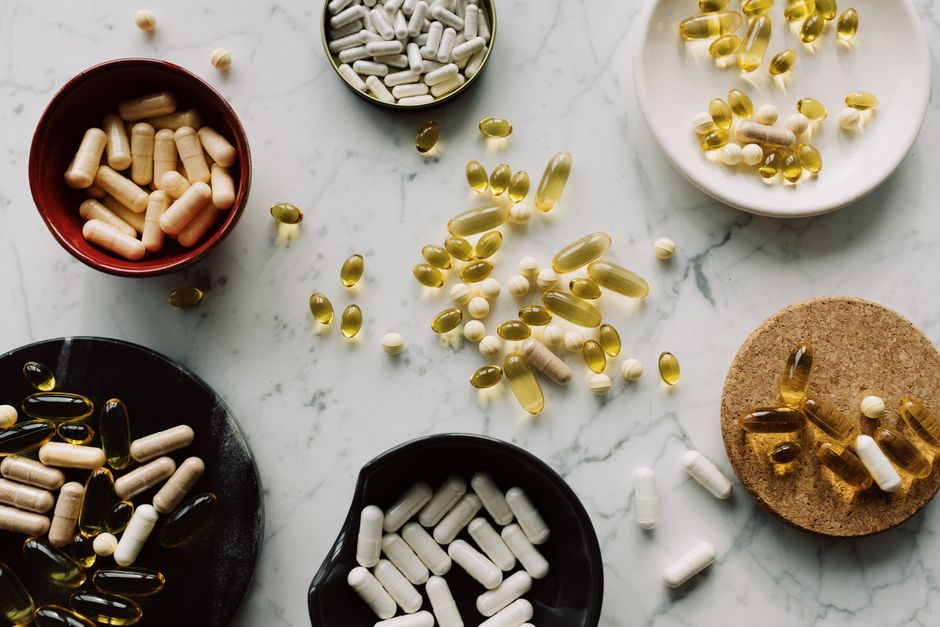
A probiotic is a live microorganism that, when consumed in adequate amounts, provides a health benefit to the host. That definition comes from the World Health Organization and the Food and Agriculture Organization of the United Nations, and it has three parts that all need to be satisfied.
First, the microorganism must be alive. Second, it must be consumed in a sufficient quantity, which is why probiotic products list colony-forming units on the label. Third, and most importantly, there must be evidence of a health benefit in humans.
Common probiotic organisms include certain strains of Lactobacillus and Bifidobacterium, along with some yeasts like Saccharomyces boulardii. These are studied in controlled trials for specific conditions. The evidence varies widely by strain and by health outcome. Some strains have solid support for particular uses, such as reducing antibiotic-associated diarrhea. Others have much weaker evidence.
Not every fermented food qualifies either. The word “fermented” describes a process, not a health claim. A food can be fermented and still contain no live cultures by the time you eat it.
Does Apple Cider Vinegar Contain Live Bacteria?
No, not in amounts that matter. Apple cider vinegar is produced in two fermentation steps. First, yeast converts the sugars in apple juice into alcohol. Then acetic acid bacteria convert that alcohol into acetic acid, which is what gives vinegar its sour taste and preservative quality.
Those acetic acid bacteria are the organisms present during fermentation. But the final product is acidic enough to prevent most microbial life from surviving in it. Vinegar’s low pH is precisely why it works as a preservative. The same environment that keeps food from spoiling also makes it a poor home for live bacteria.
Some unfiltered or raw apple cider vinegars contain a cloudy substance often called “the mother.” This is a mix of cellulose and residual bacterial cells. It is not a probiotic culture in the clinical sense. The bacteria in the mother are largely inactive or dead, and no research has established a health benefit from consuming them.
There is one more issue. Even if some live bacteria survived in the bottle, they would face a hostile environment in the stomach. Stomach acid is designed to kill ingested microorganisms. Probiotic products are formulated and tested to deliver viable organisms past this barrier. Vinegar is not.
Why Do People Confuse Apple Cider Vinegar With Probiotics?
The confusion comes from a few overlapping ideas that get blended together in marketing and social media.
Apple cider vinegar is a fermented product. Probiotics are often found in fermented products. That surface similarity leads to a logical leap that does not hold up. Yogurt, kefir, and some sauerkraut and kimchi contain live cultures. Vinegar does not, for the reasons described above.
There is also growing interest in the gut microbiome and how diet affects it. That interest is legitimate and scientifically active. But it has created a market where almost any fermented food or drink gets marketed with gut health language, whether or not the evidence supports it.
Apple cider vinegar also has a long history of folk use for digestion, blood sugar, and weight management. Some of these uses have been studied, though the evidence is limited and mixed. That research is separate from the probiotic question. A substance can have some metabolic effects without being a probiotic.
Here is the non-obvious part. The main active compound in apple cider vinegar, acetic acid, may influence blood sugar responses to meals through mechanisms that have nothing to do with gut bacteria. Some small studies have looked at vinegar’s effect on post-meal glucose. The results are not consistent enough to support a general recommendation, and the mechanism is not probiotic in nature. This is worth separating from the probiotic claim, because the two are often discussed as if they are the same thing.



What Is Actually in Apple Cider Vinegar?
Understanding the composition helps clarify why it cannot function as a probiotic.
- Water — the primary ingredient by volume
- Acetic acid — typically around 5% in standard vinegar, which is what gives it acidity and flavor
- Trace amounts of other acids, including malic acid and citric acid
- Small amounts of polyphenols and other plant compounds from the apples
- Minimal or no live microorganisms
- Negligible calories and no meaningful vitamins or minerals
Some products labeled “with the mother” contain visible sediment. That sediment is not a measured dose of live cultures. No standard exists for how many viable organisms, if any, such products contain.
Do Fermented Foods Work as Probiotics?
Not automatically. This is a common point of confusion even among people who follow nutrition research closely.
Fermented foods and probiotics overlap but are not identical categories. Many fermented foods contain live microbes, but those microbes have not necessarily been characterized, tested, or shown to provide a specific health benefit. The probiotic definition requires that evidence.
Yogurt with live and active cultures is a familiar example. It contains bacteria, and some specific strains used in yogurt have been studied for health effects. But not all yogurt qualifies, and the benefits depend on the strain and the person.
Kefir, a fermented milk drink, contains a more diverse mix of bacteria and yeasts. Some research suggests it may affect the gut microbiome, though the clinical evidence for specific health outcomes is still limited.
Apple cider vinegar sits outside this group entirely. It is fermented, but the live culture stage does not survive into the finished product. Calling it a probiotic misrepresents both the product and the science.
Is Apple Cider Vinegar Good for Gut Health?
The evidence does not support strong claims here. Some research has looked at whether vinegar or acetic acid affects digestion or the gut microbiome, but the findings are preliminary and mixed.
There is a plausible mechanism worth mentioning honestly. Acetic acid can affect stomach emptying and may influence how quickly food moves through the digestive tract. That is a physiological effect, not a probiotic one. Whether it translates into meaningful gut health benefits in humans is not established.
What is clear is that apple cider vinegar does not repopulate the gut with beneficial bacteria. It does not deliver live cultures. It does not act as a prebiotic in any well-documented way either, though some sources loosely use that term.
If someone is looking to support gut health through diet, the better-supported approaches involve fiber-rich foods, a varied diet, and fermented foods that actually contain live cultures. That is a general statement about dietary patterns, not a specific recommendation for any individual.
What Should You Know Before Using Apple Cider Vinegar?
Apple cider vinegar is generally recognized as safe when used in normal food amounts, such as in salad dressings. Concentrated doses, especially undiluted, can cause problems.
Acidic liquids can irritate the esophagus and damage tooth enamel over time. Some clinicians recommend diluting vinegar in water and drinking it through a straw if someone chooses to consume it regularly. This is common-sense guidance based on the known effects of acid on tissue, not a formal clinical recommendation.
Vinegar can also interact with certain medications, including diuretics and insulin, because of its potential effects on potassium and blood sugar. Anyone taking those medications should talk to a healthcare provider before using apple cider vinegar in large amounts.
None of this is about probiotics. It is about the acid content of vinegar and its effects on the body. The two topics get tangled together, but they are separate.
What Are Better Sources of Probiotics?
If the goal is to consume actual probiotics, apple cider vinegar is the wrong place to look. Better options include products that list specific strains and viable colony-forming units on the label.
Common sources include:
- Yogurt with live and active cultures
- Kefir
- Some types of sauerkraut and kimchi, if unpasteurized
- Certain miso and tempeh products
- Probiotic supplements with documented strains and CFU counts
Even among these, the health benefits depend on the specific strain and the person consuming it. Probiotics are not a single thing with a single effect. Different strains have different evidence behind them for different conditions.
Anyone considering probiotics for a specific health issue should know that the evidence base varies widely. Some uses are well supported. Many are not. A healthcare provider can help sort through what is worth trying for a given situation.
Frequently Asked Questions
Is apple cider vinegar a probiotic?
No, apple cider vinegar is not a probiotic because it does not contain live beneficial bacteria in meaningful amounts. The fermentation process that creates vinegar leaves behind an acidic environment where most microorganisms cannot survive.
Does apple cider vinegar have live cultures?
No, it does not contain live cultures in any clinically meaningful way. Even unfiltered versions with “the mother” contain mostly inactive or dead bacterial cells, not viable probiotic organisms.
Can I take apple cider vinegar for gut health?
The evidence for apple cider vinegar improving gut health is limited and mixed, and it does not work by adding beneficial bacteria. If you want probiotic benefits, fermented foods with live cultures or documented probiotic supplements are better-supported options.
Is the mother in apple cider vinegar a probiotic?
No, the mother is a mix of cellulose and residual bacterial cells, not a live probiotic culture. No research has established a health benefit from consuming it as a probiotic.
