
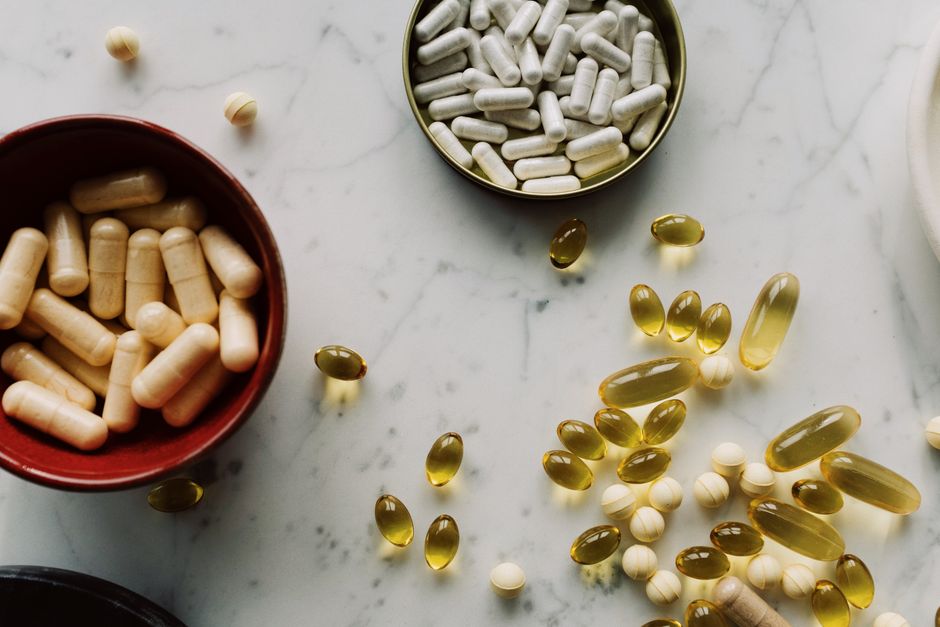
Testosterone boosters are a category of supplements sold with the promise of raising your body’s natural testosterone levels. Most products marketed this way contain herbs, vitamins, minerals, or plant extracts rather than actual testosterone. The safety picture varies widely because these products are not held to the same manufacturing standards as prescription drugs, and many have not been tested in large human trials for either safety or effectiveness.
Is A Testosterone Booster Safe Risks Explained
Safety depends almost entirely on what is inside the bottle, and that is often unclear. In the United States, dietary supplements are regulated as food, not as drugs. They do not need approval from the Food and Drug Administration before they are sold. That means a product can reach the shelf without proof that it works or that it is safe for everyone who takes it.
Some ingredients used in these products are generally recognized as safe at typical dietary amounts. Others have documented risks, especially when taken in high doses or combined with other supplements. A few ingredients have been linked to liver injury in case reports. The risk is not the same for every product or every person.
There is also a labeling problem. Research has found that some supplement products contain ingredients not listed on the label, or contain amounts that differ from what is stated. This makes it hard to know exactly what you are taking. For a category like testosterone boosters, where the marketing often targets men worried about energy, mood, or sexual function, that uncertainty matters.
What Ingredients Are Commonly Found In Testosterone Boosters?
Common ingredients include ashwagandha, fenugreek, tribulus terrestris, D-aspartic acid, zinc, magnesium, vitamin D, and various plant extracts. Each one has a different evidence base.
- Ashwagandha — Some small studies suggest it may affect testosterone levels, but the research is limited and results vary. Larger trials are needed.
- Fenugreek — Some studies indicate possible effects on libido or hormone levels, but findings are not consistent across trials.
- Tribulus terrestris — Most research has not shown a reliable increase in testosterone in men with normal levels.
- D-aspartic acid — Early studies suggested a possible effect, but more recent trials have not confirmed a consistent benefit.
- Zinc and magnesium — These are essential minerals. If you are deficient, correcting that deficiency can support normal hormone function. If you already get enough from food, extra amounts are unlikely to raise testosterone further.
- Vitamin D — Similar to zinc, vitamin D matters for normal health. Supplementing when you are not deficient has not been shown to reliably raise testosterone.
The pattern here is important. A nutrient that your body needs can support normal function when you are low on it. That is not the same as a supplement pushing your testosterone above normal. Those are different claims, and the evidence for the second one is much weaker.
What Are The Documented Risks And Side Effects?
The most serious risk with any supplement is contamination or mislabeling. Some products have been found to contain prescription drugs, steroids, or other compounds not disclosed on the label. This is not unique to testosterone boosters, but the risk exists across the supplement market.
Specific ingredients carry specific concerns. Some herbal ingredients have been associated with liver damage in case reports, though these events are uncommon. Others can cause digestive upset, headaches, or changes in mood. A few can interact with medications, including blood thinners, diabetes drugs, and antidepressants.
There is another angle that gets less attention. If a product actually does raise testosterone, that is not automatically harmless. Testosterone is a hormone that affects many systems in the body. In men, excess testosterone can suppress sperm production, cause acne, and increase red blood cell counts. In women, it can cause unwanted hair growth, voice changes, and menstrual disruption. The body regulates hormone levels tightly for a reason.
Products that claim to boost testosterone without affecting other hormones are making a claim that is difficult to support. Hormones do not work in isolation.




Who Should Be Cautious About Testosterone Boosters?
Certain groups should be especially careful. This includes people taking prescription medications, people with liver or kidney conditions, and anyone with a history of hormone-sensitive cancer. Women who are pregnant or breastfeeding should avoid these products unless a clinician specifically recommends one.
No clinical guidelines currently establish safe dosing for testosterone booster supplements in pregnant women, infants, or children. These products are not intended for those groups.
If you have symptoms that you think are related to low testosterone — such as persistent fatigue, low mood, or changes in sexual function — a supplement is not the right first step. Those symptoms have many possible causes, and some of them are serious. A doctor can check your hormone levels with a blood test and help identify what is actually going on.
Does Low Testosterone Need Treatment?
Testosterone levels naturally decline with age, starting gradually after about age 30. This is a normal part of aging for many men. It is not the same as a clinical deficiency.
When testosterone is genuinely low and causes symptoms, that condition is called hypogonadism. It is diagnosed by a doctor using blood tests, typically taken in the morning when testosterone levels are highest. Treatment usually involves prescription testosterone therapy, not supplements.
Prescription testosterone therapy itself is not without risks. It can affect sperm production, red blood cell counts, and other markers. It requires monitoring by a clinician. This is one reason why self-treating with supplements based on symptoms alone is not a good idea.
The gap between “my levels are a bit lower than they used to be” and “I have a medical condition that needs treatment” is where a lot of supplement marketing lives. Those are not the same situation.
What Does The Evidence Actually Show About Effectiveness?
For most ingredients in testosterone boosters, the evidence for raising testosterone in healthy men is weak or absent. Some small studies show changes in hormone levels. Others do not. When results are inconsistent across studies, that usually means the effect, if any, is small or not reliable.
There is also a measurement problem. Many studies look at short-term changes in blood levels, not at whether someone actually feels better or has improved health outcomes. A number moving on a lab report is not the same as a meaningful benefit.
Zinc and vitamin D are worth separating from the rest. If you are deficient in either, correcting that deficiency is good for your overall health and can support normal hormone function. But if your levels are already normal, adding more has not been shown to push testosterone higher.
How Can You Make A Safer Decision?
If you are considering a testosterone booster, a few practical steps can reduce risk.
- Talk to your doctor first, especially if you take any medications or have a health condition.
- Look for products that have been tested by an independent third-party organization. This does not guarantee effectiveness, but it does reduce the chance of contamination.
- Be skeptical of claims that sound too strong. If a product promised to raise testosterone significantly in everyone, that claim would need large, well-controlled trials to support it.
- Pay attention to how you feel. If you notice side effects, stop and talk to a clinician.
The most reliable ways to support healthy testosterone are not found in a bottle. Getting enough sleep, maintaining a healthy body weight, staying physically active, and managing stress all support normal hormone function. These are well-established factors. They are not exciting, but they are supported by evidence.
Heavy alcohol use and certain medications can lower testosterone. So can some medical conditions. If you are concerned about your levels, the most useful thing you can do is get tested and talk to a doctor about what the results mean for you.
Frequently Asked Questions
Are testosterone boosters safe to take every day?
Safety depends on the specific ingredients and whether the product is contaminated or mislabeled. No blanket safety guarantee exists for this category because products are not reviewed by the FDA before sale.
Do testosterone boosters actually raise testosterone?
For most ingredients, the evidence in healthy men is weak or inconsistent. Zinc and vitamin D can support normal levels if you are deficient, but they have not been shown to raise testosterone above normal.
Can testosterone boosters cause liver damage?
Some herbal ingredients have been linked to liver injury in case reports, though these events are uncommon. The risk varies by ingredient and dose, and contaminated products add another layer of concern.
Should I see a doctor before taking a testosterone booster?
Yes, especially if you take medications or have a health condition. Symptoms of low testosterone can have many causes, and a blood test is the only way to know your actual levels.
