
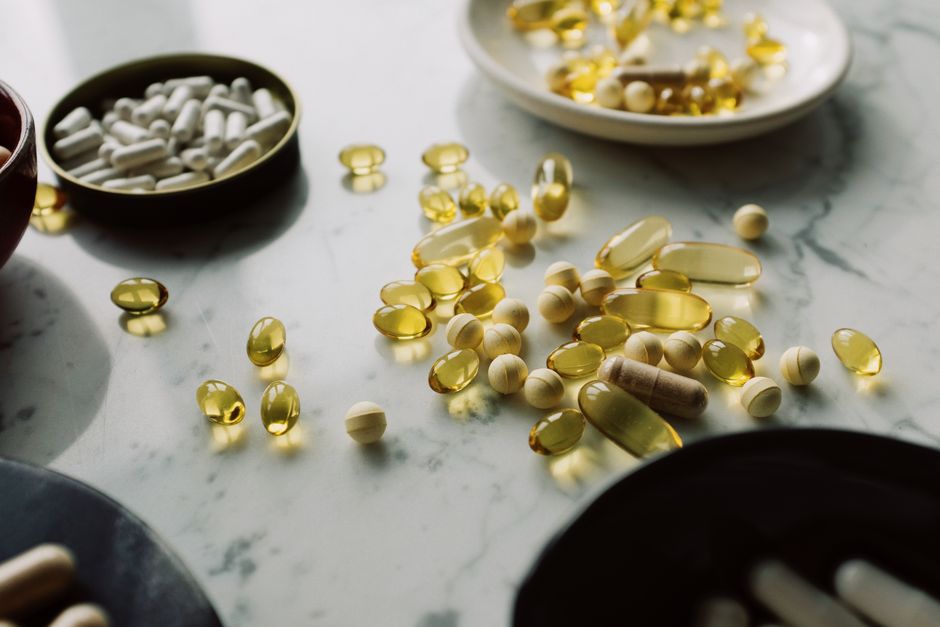
Ashwagandha is one of the most popular herbs sold in the United States, and a small number of case reports have linked it to liver injury. That link is real but rare — and it is not the same thing as saying the herb is broadly unsafe. Most people who take ashwagandha at typical doses do not develop liver problems. A minority appear to be unusually susceptible, and researchers do not yet know how to identify them in advance.
If you take ashwagandha and develop fatigue, nausea, dark urine, or yellowing of the eyes or skin, stop the product and seek medical care. Those are warning signs of hepatitis, and they warrant prompt evaluation regardless of what you believe caused them.
What Does the Evidence Actually Say About Ashwagandha and Liver Injury?
The evidence consists almost entirely of published case reports, not controlled trials. That distinction matters enormously for how you interpret the risk.
A case report describes one patient, or a handful, in which a clinician suspected a connection. It cannot prove cause. It cannot tell you how often something happens. What it can do is flag a signal worth investigating. Over the past decade or so, a number of case reports have described liver injury in people taking ashwagandha products, with recovery after they stopped.
Clinical trials of ashwagandha — mostly small and short in duration — have generally not reported liver injury as a common adverse event. But these trials were not designed or powered to detect rare events. A reaction that occurs in a small fraction of users will often be invisible in a study of 50 or 100 people followed for eight weeks.
So the honest summary is this: a rare association is plausible and documented, the mechanism is unclear, and no one can currently predict who is at risk. That is a genuinely uncertain position, and it should be described as one.
How Common Is Ashwagandha Liver Damage?
Nobody knows the true rate, and anyone who states a number is guessing. There is no national surveillance system that captures every case, and mild liver enzyme elevations often go unnoticed because they cause no symptoms.
What can be said is that the reports are uncommon relative to how widely the herb is used. Ashwagandha appears in capsules, powders, gummies, teas, and coffee blends, and millions of doses are sold annually. If serious liver injury were common, it would likely be far more visible in emergency departments and hepatology clinics than it appears to be.
That is not reassurance. Rare events still happen, and when they happen to you, population-level rarity is irrelevant. The practical point is that the risk appears low in absolute terms but is not zero, and it is not evenly distributed across all users.
Why Might Ashwagandha Harm the Liver in Some People?
There is no confirmed mechanism, and several explanations are plausible. This is an area where biological reasoning is easy to generate and hard to prove.
One possibility is a direct toxic reaction in a susceptible individual — an idiosyncratic response, meaning it is not dose-dependent in the usual way and does not occur in most people exposed. Many drug-induced liver injuries work this way.
Another possibility is contamination or adulteration. Herbal supplements in the US are regulated as dietary supplements, not as drugs. Under this framework, products are not required to demonstrate efficacy or safety before sale, and the FDA generally acts after problems emerge rather than before. Independent testing has repeatedly found that some herbal products contain ingredients not listed on the label, or contain less of the labeled ingredient than claimed. Heavy metals and other contaminants have also been detected in some imported herbal products.
A third possibility is interaction with other substances. Ashwagandha is often taken alongside other supplements, medications, or alcohol, and isolating the culprit in a real-world case is difficult.
Finally, some liver injury attributed to ashwagandha may not involve ashwagandha at all. People take multiple products. They may have underlying conditions. Attribution in a single case is often a judgment call.





What Are the Signs of Liver Trouble to Watch For?
Symptoms of liver injury are often vague at first, which is part of what makes them easy to dismiss.
- Fatigue that is unusual for you or does not improve with rest
- Nausea, vomiting, or loss of appetite
- Pain or tenderness in the upper right abdomen
- Dark urine, often described as tea-colored
- Pale or clay-colored stools
- Yellowing of the skin or the whites of the eyes
- Itching without a rash
Yellowing of the eyes or skin is the most specific of these and the most concerning. It reflects a buildup of bilirubin, which happens when the liver is not processing it normally. That finding alone justifies urgent medical attention.
Blood tests can detect liver injury before symptoms appear. A standard panel includes ALT and AST, enzymes that leak from damaged liver cells, along with bilirubin and alkaline phosphatase. Normal ranges vary by laboratory, so results are best interpreted by a clinician against your own baseline rather than against a single universal cutoff.
Does Ashwagandha Interact With Medications or Alcohol?
Ashwagandha has been studied for interactions far less than most prescription drugs, and much of what circulates online is extrapolation rather than measured data.
There is some evidence that ashwagandha can affect thyroid hormone levels, which matters for people taking thyroid medication. There is also reason to think it may interact with sedatives, since it is often used for stress and sleep, and with medications that affect blood sugar or blood pressure. These interactions are not well characterized in human trials.
Alcohol deserves separate mention. Heavy drinking is a leading cause of liver disease on its own. Combining regular alcohol use with an herbal supplement whose liver effects are incompletely understood adds an unknown on top of a known risk. That is not a claim that the combination is dangerous — it is a statement that no one has studied it well enough to say.
Who Should Be Cautious About Taking Ashwagandha?
People with existing liver disease, a history of liver injury, or abnormal liver enzymes should discuss any herbal supplement with their clinician before starting it. This is standard practice, not a specific warning about ashwagandha.
People who drink heavily, take multiple medications, or already use several supplements are in a similar position. The more variables in play, the harder it is to attribute a problem to any one of them.
Pregnant and breastfeeding women should be especially careful. Ashwagandha has not been established as safe in pregnancy, and there is no reliable dosing guidance for this population. Some traditional uses of the herb have raised concerns about effects on the uterus. No clinical guidelines currently support ashwagandha use during pregnancy or breastfeeding.
Children are another group with essentially no safety data. The herb is not recommended for them outside of a clinician’s supervision.
How Should You Take Ashwagandha If You Choose To?
There is no established dose that eliminates liver risk, because the suspected reactions do not appear to follow a simple dose-response pattern. What follows is general caution, not a prescription.
Choose products from manufacturers that publish third-party testing results for identity, potency, and contaminants. This does not guarantee safety, but it reduces the chance of taking something other than what the label says.
Take one new supplement at a time. If you start three products in the same week and feel unwell, you have no way to know which one is responsible.
Tell your doctor what you are taking, including doses. Supplement use is frequently left out of medical histories, and that omission makes diagnosis harder when something goes wrong.
If you notice any of the symptoms listed above, stop the product and get evaluated. Do not wait to see whether it resolves on its own.
Is Ashwagandha Bad For Your Liver Risks Explained: The Bottom Line
Ashwagandha is not a known liver toxin in the way that, say, high-dose acetaminophen is. It is also not a substance with a clean, well-documented safety record at the level expected of a prescription drug.
The honest position sits between those two poles. A rare association with liver injury has been reported in the medical literature. The mechanism is unknown. The true incidence is unknown. Risk does not appear to be spread evenly, and susceptibility cannot currently be predicted.
For most healthy adults taking a tested product at a typical dose, the absolute risk appears low. For people with existing liver conditions, heavy alcohol use, pregnancy, or a stack of other supplements, the calculus is different and warrants a conversation with a clinician rather than a decision made from a label or a social media post.
Frequently Asked Questions
Can ashwagandha cause liver damage?
A small number of published case reports have linked ashwagandha to liver injury, with recovery after stopping the product. The association appears rare, and no confirmed mechanism or incidence rate exists.
How long does it take for ashwagandha to affect the liver?
Reported cases have varied widely in timing, and no reliable interval can be stated. Some people have developed symptoms within weeks of starting, while others took it for much longer without apparent problems.
Is ashwagandha safe if I have fatty liver disease?
There is no evidence establishing ashwagandha as safe for people with existing liver disease. Anyone with a diagnosed liver condition should talk to their clinician before taking it.
Does ashwagandha affect liver enzymes on blood tests?
In reported cases of suspected liver injury, ALT and AST levels rose and then fell after the product was stopped. Routine monitoring is not standard for herbal supplements, so abnormalities are usually found only when symptoms prompt testing.
