
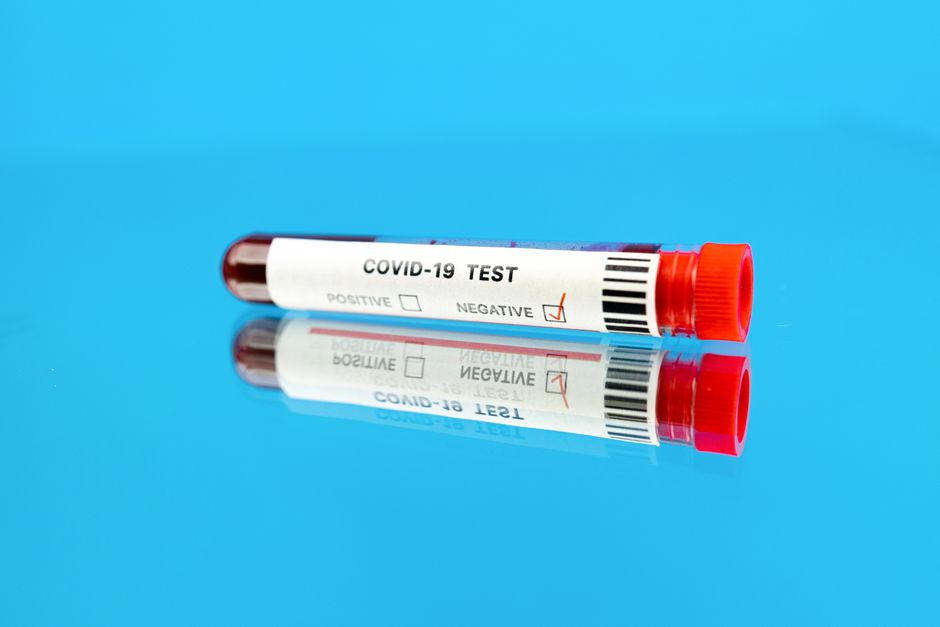
Blood types are one of those things most people only think about when donating blood or getting a lab result back. If you have A negative blood, you might have heard it called “rare” and wondered what that actually means for your health. The short answer is that A negative is not rare in the strictest sense, but it is less common than the positive blood types. Roughly 6 out of every 100 people in the United States have A negative blood, making it a relatively uncommon but well-understood blood type.
What Does A Negative Blood Mean?
Blood type is determined by two systems working together: the ABO system and the Rh factor. The ABO system classifies blood as A, B, AB, or O based on specific antigens on the surface of your red blood cells. The Rh factor is a separate protein that may or may not be present on those same cells. If the protein is there, your blood is positive. If it is missing, your blood is negative.
A negative blood means you have the A antigen but lack the Rh protein. This combination is what makes your blood type distinct from A positive, which is far more common. About 34% of Americans are A positive, while only about 6% are A negative. The difference matters most during blood transfusions and pregnancy, not in daily life.
How Common Is A Negative Blood?
In the United States, A negative blood is present in about 6% of the population. That makes it the third most common negative blood type after O negative and B negative. Globally, the percentage varies by region and ethnicity, but A negative remains a minority blood type in every population studied.
Compare that to O positive, which is the most common blood type worldwide at about 38% of the population, and you can see why A negative might feel rare. But rare is a relative term. Blood types like AB negative occur in only about 1% of people, making them genuinely rare. A negative is uncommon, but it is nowhere near the rarest type.
Why Is A Negative Blood Important for Donations?
Blood banks track negative blood types carefully because they are more versatile than positive types. When someone needs a transfusion, they can only receive blood that is compatible with their own type. Negative blood types can often be given to people with either positive or negative Rh factors, depending on the ABO match.
A negative red blood cells can be given to people with A negative, A positive, AB negative, and AB positive blood types. That means about 40% of the population can receive A negative blood in an emergency. This makes A negative donations valuable, though not as universally needed as O negative, which can be given to anyone.
Platelets and plasma from A negative donors are also used for patients with specific needs. If you have A negative blood, your donations are genuinely useful, especially if you are a regular donor. Blood centers often reach out to A negative donors because their type is in steady demand.




Can A Negative Blood Affect Your Health?
Having A negative blood does not affect your general health. It does not make you more likely to get sick, develop chronic disease, or live a shorter life. Your blood type is simply a biological marker, not a health condition.
That said, blood type can matter in specific medical situations. The most important one is pregnancy. If an Rh-negative mother carries an Rh-positive baby, her immune system may produce antibodies against the baby’s blood. This is called Rh incompatibility. It rarely affects a first pregnancy, but it can cause complications in later pregnancies if untreated.
Medical guidelines recommend that Rh-negative pregnant women receive an injection called Rh immunoglobulin, often known by the brand name RhoGAM. This prevents the mother’s immune system from attacking future babies. This is standard care and highly effective when given at the right times during pregnancy.
Is A Negative Blood Linked to Any Diseases?
Some research has explored whether blood type influences disease risk. A few studies have suggested that people with type A blood may have slightly higher risks for certain conditions, such as stomach cancer or blood clots. Other studies have looked at connections between blood type and heart disease or cognitive decline.
The evidence here is real but modest. These are associations, not causes. Having A negative blood does not mean you will develop any of these conditions. The risk differences are small, and lifestyle factors like diet, exercise, and smoking have far greater impacts on your health than blood type.
No major medical organization recommends changing your health habits based on your blood type. If you have A negative blood, you should follow the same preventive health guidelines as everyone else.
How Do You Find Out Your Blood Type?
Most people learn their blood type from a blood donation, a blood test, or a hospital stay. If you have never been tested, you can request a blood type test from your doctor. Some pharmacies and clinics also offer at-home blood type testing kits, though these are not regulated as medical devices in the same way laboratory tests are.
Knowing your blood type is useful for several reasons. It helps if you ever need a transfusion. It matters during pregnancy. And it helps blood banks match you with donation opportunities. If you do not know your type, finding out is simple and takes only a few minutes during a routine blood draw.
Should You Donate Blood If You Have A Negative?
Yes. If you are eligible to donate, A negative blood is genuinely needed. Blood centers maintain inventories of all types, and negative types are often in shorter supply. Donating A negative blood helps ensure hospitals have what they need for both scheduled surgeries and emergency transfusions.
Eligibility requirements vary slightly by location, but generally include being at least 16 or 17 years old, weighing at least 110 pounds, and being in good health. You can donate whole blood every 56 days. Platelet donations can happen more frequently, sometimes every 7 days up to 24 times a year.
If you have A negative blood and are willing to donate, contact your local blood center. They can tell you where to go and what the current need is in your area.
What Makes Some Blood Types Truly Rare?
Blood types are considered rare when they occur in less than 1 in 1,000 people. Some extremely rare types are found in only a handful of individuals worldwide. These are often discovered during blood testing for transfusion or pregnancy and are tracked by international registries.
A negative does not fall into this category. It is uncommon but well represented in the donor pool. The confusion often comes from hearing that negative blood types are “rare” in the context of donation drives, where the focus is on maintaining sufficient supply of all types.
Frequently Asked Questions
Is A negative blood rare?
A negative blood is uncommon but not rare, occurring in about 6% of the US population. It is much less common than A positive but far more common than truly rare blood types like AB negative.
Can A negative blood receive any blood type?
No. A negative blood can receive A negative and O negative red blood cells. It cannot receive B or AB blood because the immune system would reject it.
Is A negative blood good for donation?
Yes. A negative red blood cells can be given to about 40% of the population, making it a valuable type for blood banks. Regular donations from A negative donors are always appreciated.
Does A negative blood cause pregnancy problems?
Only if the mother is Rh-negative and the baby is Rh-positive. This condition, called Rh incompatibility, is preventable with a standard injection given during pregnancy.
