
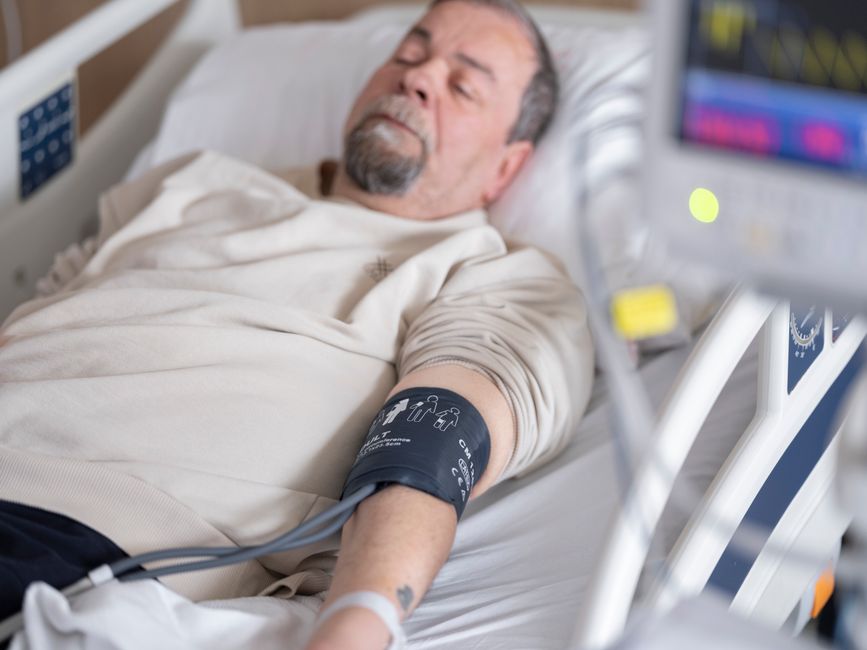
A colonoscopy is generally safe for older adults, but age changes the risk picture in ways that matter. The procedure itself rarely causes serious harm. The bigger question is whether the preparation, sedation, and possible treatment during the exam are appropriate for a person’s overall health, not just their birth year.
Most serious complications are uncommon. Bleeding and perforation — a tear in the colon wall — are the two main concerns, and both are more likely when polyps are removed during the exam. For adults over 75, the decision to screen often depends less on age and more on life expectancy, other health conditions, and what the person wants.
What Makes a Colonoscopy Risky for Older Adults?
Age alone does not make a colonoscopy dangerous. What raises risk in older adults is the combination of frailty, chronic disease, and medications that many people in this age group take.
The colon wall becomes thinner and less elastic with age. That makes perforation slightly more likely during the exam or when tissue is removed. Older adults also tend to have more polyps, and removing them is the main driver of bleeding risk.
Sedation is another factor. Many sedatives used during colonoscopy are cleared more slowly by an aging body. That can mean a longer recovery, more confusion afterward, and a higher chance of breathing problems during the procedure. People with heart or lung disease face more of this risk.
Blood thinners add a separate layer of concern. Drugs like warfarin, apixaban, and clopidogrel increase bleeding risk, and clinicians often adjust or briefly pause them before the exam. That decision has to balance bleeding risk against the risk of a clot, and it is made case by case.
None of this means colonoscopy is off the table for older adults. It means the pre-procedure conversation should cover heart health, kidney function, medications, and how well the person can handle the bowel prep.
What Are the Actual Complications and How Common Are They?
The two complications that get the most attention are bleeding and perforation. Both are uncommon in routine screening, and both become more likely when polyps are removed.
Bleeding usually happens days after the procedure, not during it. It occurs when a clot falls off the spot where a polyp was removed. Most cases are minor and stop on their own or with a repeat colonoscopy. Some require a transfusion or another procedure to seal the site.
Perforation is a tear through the colon wall. It is rare but serious, and it usually needs surgery to repair. The risk is higher when a large polyp is removed, when the colon is inflamed, or when the exam is technically difficult.
Other complications are less discussed but real:
- Reactions to sedation, including low blood pressure and breathing problems
- Dehydration and electrolyte imbalances from the bowel prep
- Kidney injury from the prep solution, especially in people with existing kidney disease
- Confusion or delirium after sedation, more common in people with dementia
The exact complication rates vary widely depending on the study population, whether polyps were removed, and how the procedure was performed. That is why no single number applies to every older adult. The pattern is consistent, though: complications rise with age, frailty, and the amount of treatment done during the exam.
Is the Bowel Prep Dangerous for Older Adults?
The bowel prep is often the hardest part of a colonoscopy for older adults, and it is where many of the real risks sit.
Prep solutions draw water into the bowel to flush it out. That can lead to dehydration and shifts in electrolytes like sodium and potassium. In a healthy 50-year-old, the body corrects this quickly. In a frail 80-year-old on diuretics, it can cause weakness, dizziness, confusion, or an irregular heartbeat.
People with kidney disease or heart failure are at higher risk. Some prep solutions are not recommended for these groups. Clinicians often choose a different prep or adjust the plan when kidney function is reduced.
Dehydration is the most common problem. Older adults often have a weaker thirst response, so they may not drink enough during the prep. Staying hydrated with clear fluids is one of the few things a person can control.
If someone becomes confused, very weak, or cannot keep fluids down during the prep, that is a reason to call the clinic before the procedure. It is not a normal part of the process.





Does Age Alone Determine Whether Screening Is Worth It?
No. Age is one factor among several, and it is not the most important one.
Screening guidelines in the United States generally recommend colorectal cancer screening starting at age 45 for average-risk adults. For adults aged 76 to 85, the guidance is less clear-cut. Most organizations say the decision should be individualized — based on overall health, prior screening history, and personal preference — rather than made by age alone.
The reason is straightforward. A screening test only helps if the person is likely to live long enough to benefit. Colonoscopy can prevent cancer by removing polyps before they turn into cancer, but that benefit takes years to appear. For someone with a limited life expectancy from other conditions, the risks of the prep and procedure may outweigh a benefit they are unlikely to live to see.
This is why a 78-year-old who runs marathons and a 78-year-old with advanced heart failure may get very different recommendations. Same age, very different risk and benefit.
For adults over 85, most guidelines do not recommend routine screening. That does not mean it never happens. It means the default shifts away from screening unless there is a specific reason to continue.
How Do Doctors Decide If an Older Adult Should Have One?
Clinicians weigh several things that have nothing to do with a birthday.
- Life expectancy. A person expected to live another 10 years or more is more likely to benefit from screening.
- Overall health. Frailty, dementia, and multiple chronic conditions shift the balance toward risk.
- Prior screening. Someone with a long history of normal results may need less frequent testing.
- Medications. Blood thinners and certain heart or kidney drugs change the plan.
- Patient preference. Some people want to stop screening. Others want to continue. Both are reasonable.
There is also the question of whether a colonoscopy is even the right test. For some older adults, a stool-based test like FIT is a reasonable alternative. It is non-invasive, requires no sedation, and needs no bowel prep. It is less sensitive for detecting polyps, but it can still catch cancers. For someone who cannot safely undergo sedation or prep, it may be the better option.
Some clinicians use a CT colonography, also called a virtual colonoscopy, as an alternative. It still requires bowel prep, but no sedation. It cannot remove polyps during the exam, so a positive result means a follow-up colonoscopy.
What Can Reduce the Risk?
A few things consistently lower the risk of complications in older adults.
First, a thorough pre-procedure review. That means going over every medication, especially blood thinners, and checking kidney function and heart status. Adjusting medications when needed is one of the most effective steps.
Second, choosing the right prep. For people with kidney or heart conditions, some solutions are safer than others. This is a clinical decision, not something to figure out alone.
Third, staying hydrated during the prep. Clear fluids are the main tool here. Older adults should not wait until they feel thirsty.
Fourth, having a clear plan for sedation. Some older adults do better with lighter sedation or with an anesthesiologist involved. This depends on the person and the facility.
Fifth, knowing when to stop. If a person’s health has declined significantly since their last screening, it may be time to reconsider whether more screening makes sense. That conversation is worth having with a doctor.
When Should You Call a Doctor After the Procedure?
Most people recover within a day. Some bloating, mild cramping, and grogginess from sedation are normal.
Certain symptoms are not normal and need medical attention:
- Severe or worsening belly pain
- Heavy rectal bleeding or blood in the stool that does not stop
- Fever or chills
- Dizziness, fainting, or a rapid heartbeat
- Persistent nausea or vomiting
- Confusion that does not clear
Bleeding can start days after the procedure, so it is worth watching for. Perforation usually causes pain and sometimes fever, and it typically shows up within hours to a day or two.
These symptoms are uncommon, but they are the ones that need a call. Waiting to see if they pass is not the right move.
Frequently Asked Questions
Is a colonoscopy safe for an 80-year-old?
It can be safe for many 80-year-olds, but the decision depends on overall health, not age alone. Adults with frailty, advanced heart or kidney disease, or limited life expectancy may face more risk than benefit.
What is the most serious risk of colonoscopy in older adults?
Perforation of the colon wall is the most serious complication, though it is rare. Bleeding after polyp removal is more common and usually occurs days later.
Can the bowel prep be dangerous for older adults?
Yes. The prep can cause dehydration and electrolyte imbalances, which are more dangerous in frail adults or those with kidney or heart conditions. Some prep solutions are not recommended for people with kidney disease.
At what age should you stop having colonoscopies?
There is no single age cutoff. Most guidelines suggest individualizing screening decisions for adults aged 76 to 85 and do not recommend routine screening after 85.
