
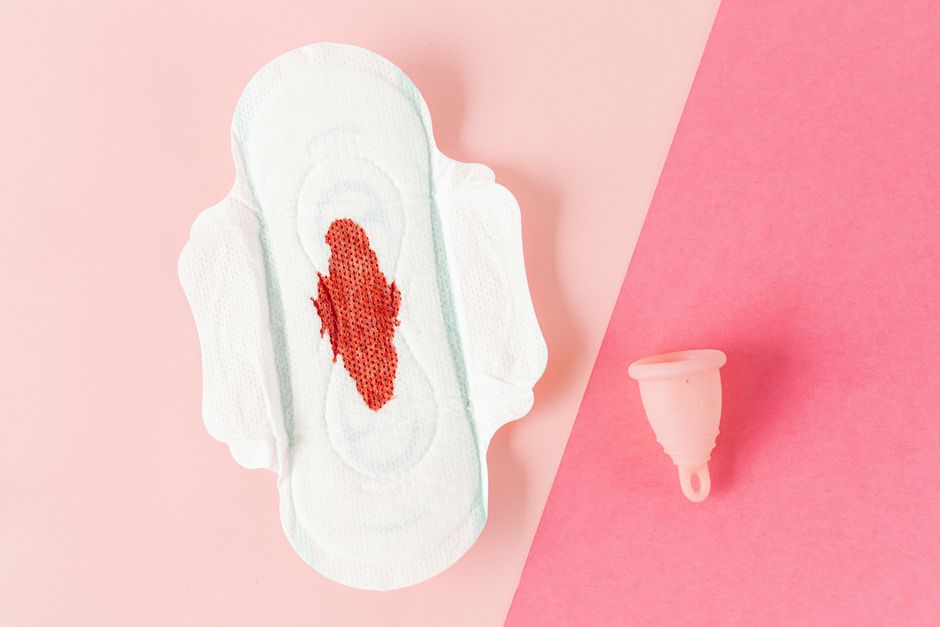
A 21-day menstrual cycle is shorter than the average, but it is often normal for many women. Cycle lengths between 21 and 35 days are generally considered within the normal range. However, a cycle that is consistently 21 days or shorter may warrant a conversation with a healthcare provider, especially if it is new for you or accompanied by other symptoms.
What Does a “Normal” Menstrual Cycle Actually Look Like?
The menstrual cycle is counted from the first day of one period to the first day of the next. The average cycle is 28 days, but that is just an average. Only about 13% of women have a cycle that is exactly 28 days. Most women have cycles that fall between 24 and 34 days.
Cycle length also changes over a woman’s lifetime. In the first few years after periods start, cycles are often longer and less regular. In the years leading up to menopause, cycles often get shorter before they stop entirely. A 21-day cycle is common in women in their late 30s and 40s as hormone levels begin to shift.
Is A 21 Day Menstrual Cycle Normal Or Too Short?
A 21-day cycle sits right at the lower edge of what is considered normal. The clinical definition of a normal cycle is between 21 and 35 days. If your period comes every 21 days consistently, that is generally not a cause for concern. It simply means you have more periods in a year than someone with a 28-day cycle — about 17 instead of 13.
The bigger question is whether your cycle has always been this length or whether it has recently changed. A sudden shift from a 30-day cycle to a 21-day cycle is different from having a 21-day cycle your whole life. A change in pattern is often more significant than the number itself.
What Causes Short Menstrual Cycles?
Several factors can shorten the time between periods. The most common cause is a shorter follicular phase. This is the first half of your cycle, when an egg is maturing in the ovary. If this phase is shorter, ovulation happens earlier, and your period comes sooner.
Hormonal changes are the usual driver. Estrogen and progesterone levels influence how quickly the uterine lining builds up and sheds. As women approach menopause, estrogen levels fluctuate and cycles often shorten. This is a natural process, not a medical problem.
Other factors can play a role. Stress, significant weight changes, and intense exercise can all affect hormone levels. Thyroid disorders can also alter cycle length. If you have recently started or stopped hormonal birth control, that can change your cycle timing as well. Some research suggests that short cycles may be linked to lower ovarian reserve, but this is not something to assume without testing.





When Short Cycles Signal a Problem
There are times when a 21-day cycle deserves medical attention. If your cycle is shorter than 21 days, that is called polymenorrhea. This means bleeding occurs more frequently than every 21 days. That pattern can interfere with quality of life and may indicate a hormonal imbalance.
Bleeding that happens less than 21 days apart is not considered normal. It may be caused by anovulation, which means you are not releasing an egg. It can also be caused by uterine fibroids, polyps, or other structural issues. In some cases, what looks like a short cycle is actually breakthrough bleeding between periods rather than a true period.
You should also pay attention to the bleeding itself. A period that is much heavier than usual, lasts longer than 7 days, or is accompanied by severe pain is worth discussing with a doctor. These symptoms can point to conditions like endometriosis or adenomyosis, regardless of your cycle length.
Tracking Your Cycle Accurately
To know your true cycle length, you need accurate data. Many women estimate their cycle length by memory, which is often unreliable. Use a period tracking app or a simple calendar. Mark the first day of each period. Count the days between first days. Do this for at least three months before drawing conclusions.
It is also helpful to track symptoms. Note whether your period is light, moderate, or heavy. Track pain, mood changes, and any spotting between periods. This information gives your healthcare provider a clearer picture than a single number. It can also help you identify whether your cycle is changing over time.
What Does a Short Cycle Mean for Fertility?
For women trying to conceive, cycle length matters. A 21-day cycle means ovulation likely occurs around day 7 to day 10. This is earlier than the typical day 14. The fertile window is still there, but it happens sooner after your period ends.
If you are trying to get pregnant, timing intercourse earlier in the cycle is important. Ovulation predictor kits can help identify your exact ovulation day. These kits detect the surge of luteinizing hormone that happens just before ovulation.
There is some evidence that very short cycles may be associated with lower fertility. This is because a short follicular phase may indicate that the egg is not maturing fully. However, a 21-day cycle alone does not mean you will have trouble conceiving. Many women with 21-day cycles have no fertility issues at all.
When to See a Doctor
You do not need to see a doctor just because your cycle is 21 days. But you should make an appointment if you notice any of the following:
- Your cycle is consistently shorter than 21 days
- Your cycle length has changed suddenly and stayed changed
- You are bleeding between periods
- Your periods are very heavy or last longer than 7 days
- You have severe pelvic pain that is not relieved by over-the-counter pain medication
- You are trying to conceive and have not been successful after a year of trying
At your appointment, your doctor will likely ask about your cycle history and may order blood tests to check hormone levels. They may also recommend an ultrasound to examine the uterus and ovaries. These tests help rule out structural causes and identify hormonal imbalances.
Treatment Options for Short Cycles
Treatment depends entirely on the underlying cause. If your short cycles are due to perimenopause, no treatment is needed. This is a natural transition. If your cycles are short because of a thyroid condition, treating the thyroid may restore normal cycle length.
Hormonal birth control is a common option for women who want to regulate their cycles. Birth control pills, patches, or hormonal IUDs can make cycles more predictable and reduce bleeding. This is effective but does not address the underlying cause. It simply changes how your body cycles.
For women with anovulation, medications like clomiphene or letrozole may be used to induce ovulation. These are prescription medications used under medical supervision. They are typically used in the context of fertility treatment rather than just to regulate cycles.
Lifestyle changes may help in some cases. Managing stress, maintaining a healthy weight, and moderating intense exercise can support regular hormone function. These changes are not guaranteed to lengthen your cycle, but they support overall hormonal health.
What About Perimenopause and Short Cycles?
Shortening cycles are one of the earliest signs of perimenopause. This transition typically begins in a woman’s mid-to-late 40s, though it can start earlier. During perimenopause, estrogen levels fluctuate unpredictably. This often causes cycles to become shorter before they become irregular and eventually stop.
If you are in your 40s and your cycle has shortened from 28 days to 21 days, this is a common pattern. It does not require treatment unless your symptoms are bothersome. Some women in perimenopause experience heavier bleeding or more frequent periods. If this affects your daily life, talk to your doctor about management options.
Frequently Asked Questions
Is a 21 day cycle too short to get pregnant?
A 21-day cycle is not too short to get pregnant. Ovulation simply occurs earlier in the cycle, usually around day 7 to day 10, so timing intercourse earlier is important.
Does a 21 day cycle mean early menopause?
A 21-day cycle does not mean early menopause by itself. Shortening cycles are common in perimenopause, but many women with 21-day cycles are not near menopause.
Why is my cycle suddenly 21 days when it used to be 30?
A sudden change in cycle length can be caused by stress, weight changes, thyroid issues, or approaching perimenopause. If the change persists for several months, it is worth discussing with a doctor.
Can birth control change my cycle to 21 days?
Hormonal birth control can change cycle length and bleeding patterns. Some methods cause shorter, lighter cycles, while others cause irregular bleeding during the first few months of use.
