
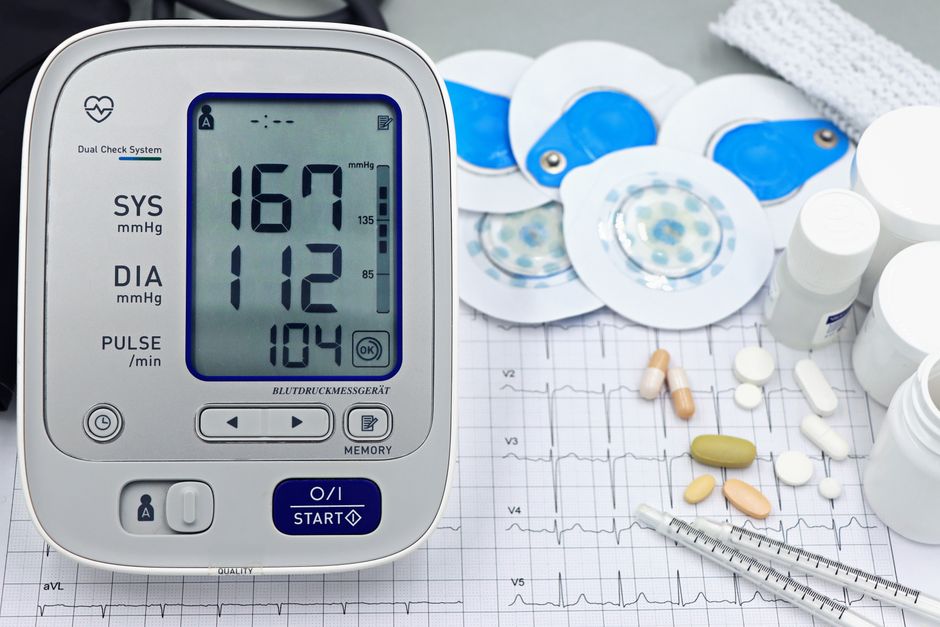
A total cholesterol of 211 mg/dL is above the desirable range but does not automatically mean you need medication. For most healthy adults, total cholesterol below 200 mg/dL is considered desirable. A reading of 211 falls into the “borderline high” category — between 200 and 239 mg/dL. Whether that number matters for your health depends heavily on the breakdown of your cholesterol particles, your other risk factors, and your overall cardiovascular risk profile.
The number 211 by itself tells only part of the story. Two people can both have a total cholesterol of 211 and face very different heart risks. One might have high HDL (the “good” cholesterol) driving that number up, which is not necessarily concerning. The other might have dangerously elevated LDL (the “bad” cholesterol) with low HDL, which is a genuine concern. Context determines meaning.
What Do the Numbers Actually Mean?
Cholesterol numbers are not arbitrary. They come from decades of population research linking blood lipid levels to cardiovascular disease risk. The standard categories used by most clinicians and major health organizations are well established:
| Total Cholesterol Level | Category |
|---|---|
| Below 200 mg/dL | Desirable |
| 200–239 mg/dL | Borderline high |
| 240 mg/dL and above | High |
At 211 mg/dL, you are 11 points into the borderline high range. That is not a dramatic elevation. It is a signal — not a diagnosis. The question is what is driving that number and whether it represents a pattern that increases your risk of heart disease over time.
Total cholesterol is exactly what it sounds like: the sum of all cholesterol carried in your blood. That includes LDL (low-density lipoprotein), HDL (high-density lipoprotein), and a smaller fraction called VLDL (very-low-density lipoprotein). When your doctor orders a standard lipid panel, you typically get total cholesterol, LDL, HDL, and triglycerides.
The total number alone cannot tell you whether your risk is elevated. You need the breakdown.
Why the Breakdown Matters More Than the Total
LDL cholesterol is the primary target in most cholesterol treatment decisions. It is the particle that deposits cholesterol into artery walls, contributing to plaque buildup — a process called atherosclerosis. Higher LDL levels are consistently associated with higher cardiovascular risk in large population studies.
HDL cholesterol works in the opposite direction. It helps transport cholesterol away from arteries back to the liver for processing. Higher HDL levels are generally associated with lower cardiovascular risk. But the relationship is not as simple as “more HDL is always better.” Some research suggests that extremely high HDL levels may not confer additional protection, and certain genetic variants that raise HDL do not appear to reduce heart attack risk. The picture is more nuanced than early research suggested.
Triglycerides are another type of blood fat. Elevated triglycerides are associated with increased cardiovascular risk, though the relationship is complex and often intertwined with other metabolic factors like insulin resistance and low HDL.
Here is a non-obvious point: a total cholesterol of 211 driven by an HDL of 75 mg/dL tells a very different story than the same total driven by an LDL of 160 mg/dL. The first scenario might reflect a favorable lipid profile. The second suggests a pattern that many clinicians would want to address.
Without knowing your LDL, HDL, and triglyceride numbers, the total cholesterol of 211 is incomplete information.
What Other Factors Change the Picture?
Cholesterol does not exist in a vacuum. Your overall cardiovascular risk depends on a combination of factors, and cholesterol is just one of them. Major risk factors that clinicians consider include:
- Age and sex
- Smoking status
- Blood pressure
- Diabetes or prediabetes
- Family history of early heart disease
- Obesity, particularly abdominal obesity
- Physical inactivity
A 45-year-old nonsmoker with normal blood pressure, no diabetes, and a strong family history of longevity might have a very different risk profile at 211 mg/dL than a 60-year-old smoker with hypertension and diabetes.
This is why major clinical guidelines — including those from the American College of Cardiology and American Heart Association — recommend calculating a 10-year risk score rather than treating cholesterol in isolation. These risk calculators incorporate multiple factors to estimate the probability of a cardiovascular event over the next decade. Treatment decisions are then based on that overall risk, not just the cholesterol number.
Some clinicians also use additional testing when the standard lipid panel leaves questions unanswered. These can include lipoprotein(a), apolipoprotein B, or LDL particle number. These advanced markers can provide more detail about risk, though their routine use remains an area of ongoing discussion.


When Does 211 Require Treatment?
Treatment guidelines do not recommend medication based on total cholesterol alone. The decision to start a statin or other lipid-lowering medication depends primarily on your LDL level and your calculated cardiovascular risk.
For adults without diabetes and without established heart disease, most guidelines recommend considering statin therapy when LDL is significantly elevated or when the 10-year risk of a cardiovascular event crosses a certain threshold. The specific thresholds vary slightly between guidelines, but the principle is consistent: treat risk, not just a number.
For someone with a total cholesterol of 211, the more relevant question is what their LDL is. If LDL is below 100 mg/dL and other risk factors are absent, many clinicians would recommend lifestyle measures rather than medication. If LDL is above 160 mg/dL with additional risk factors, the conversation shifts.
It is also worth understanding that cholesterol treatment is not binary. There is a wide range of approaches between “do nothing” and “start a high-dose statin.” Some people benefit from dietary changes alone. Others may benefit from a moderate-dose statin. The right approach depends on individual circumstances.
No clinical guidelines currently recommend treating a total cholesterol of 211 mg/dL with medication in the absence of other risk factors or an elevated LDL.
Can Lifestyle Changes Lower Cholesterol?
Diet and exercise can meaningfully affect cholesterol levels, though the degree of change varies considerably between individuals. Some people respond strongly to dietary changes; others see minimal movement.
Dietary patterns associated with lower LDL cholesterol in clinical studies include:
- Reducing saturated fat intake
- Increasing soluble fiber from foods like oats, beans, and barley
- Adding plant sterols and stanols, found in some fortified foods
- Eating more fruits, vegetables, and whole grains
- Replacing some saturated fats with unsaturated fats from nuts, seeds, and olive oil
Regular physical activity is associated with higher HDL and lower triglycerides, though its effect on LDL is generally modest. Weight loss, when appropriate, can improve multiple lipid parameters simultaneously.
These lifestyle factors are well established as contributors to cardiovascular health. What is less predictable is how much any individual’s cholesterol will drop in response to diet and exercise alone. Some people see significant changes within weeks. Others see little change even with dedicated effort.
It is also important to acknowledge that genetics play a substantial role. For some people, lifestyle changes alone cannot bring cholesterol into a desirable range, no matter how strict the diet or how much they exercise. This is not a failure of willpower — it is biology.
How Often Should You Check Your Cholesterol?
For most adults, checking cholesterol every four to six years is considered sufficient if levels are normal and risk factors are stable. If cholesterol is borderline or elevated, or if you have other cardiovascular risk factors, more frequent monitoring may be appropriate.
Some clinicians recommend annual lipid panels for people with known risk factors or those who have started treatment. The frequency should be individualized based on your overall health picture and any changes in your risk status.
Children and adolescents are generally not screened routinely unless there is a family history of early heart disease or other specific risk factors. Recommendations for pediatric screening vary, and no universal consensus exists on the ideal approach.
If you have a total cholesterol of 211, the next step is not panic. It is a conversation with your healthcare provider about what the number means in the context of your full lipid panel and your overall health.
Frequently Asked Questions
Is 211 cholesterol considered high?
A total cholesterol of 211 mg/dL falls into the borderline high category, which ranges from 200 to 239 mg/dL. It is above the desirable level of below 200 mg/dL but not in the high range of 240 mg/dL and above.
Do I need medication if my cholesterol is 211?
Not necessarily. Treatment decisions depend on your LDL level, HDL level, and overall cardiovascular risk — not total cholesterol alone. Many people with a total cholesterol of 211 do not meet criteria for medication.
Can I lower my cholesterol from 211 without medication?
Diet and exercise can lower cholesterol for some people, though individual responses vary widely. Reducing saturated fat, increasing soluble fiber, and regular physical activity are well-established approaches that may help.
What LDL level is considered high?
Generally, LDL below 100 mg/dL is considered optimal for most adults. LDL between 100 and 129 mg/dL is near optimal, 130 to 159 mg/dL is borderline high, 160 to 189 mg/dL is high, and 190 mg/dL and above is very high.
