
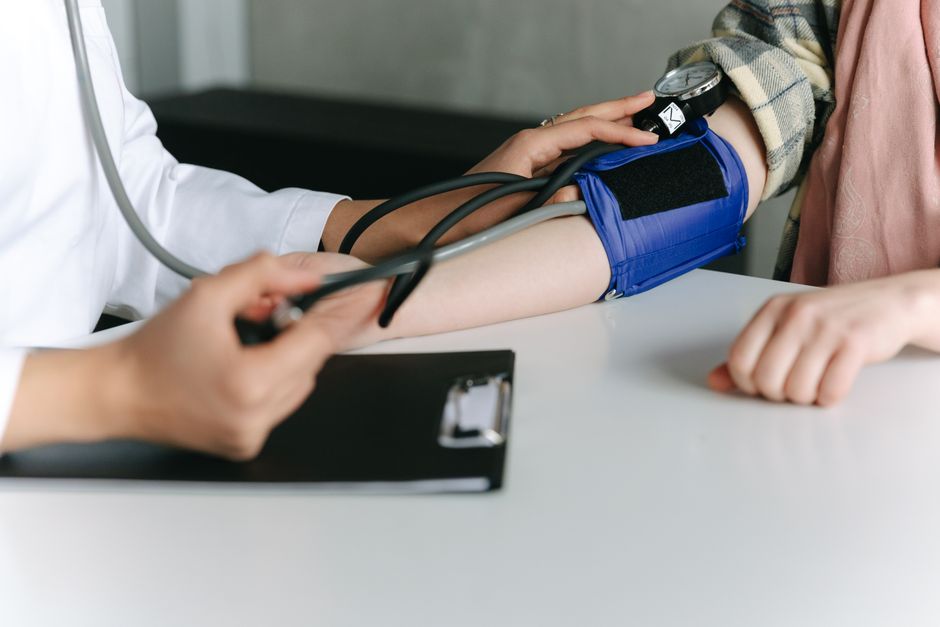
Yes, 108/70 is a good blood pressure reading. It is not too low. This reading falls within the normal range that doctors and health organizations like the American Heart Association consider healthy. Systolic pressure (the top number) at 108 is well below the 120 threshold for elevated blood pressure. Diastolic pressure (the bottom number) at 70 is comfortably above the 60 mark where low blood pressure symptoms might begin. For most adults, this is an ideal reading that suggests your heart and blood vessels are working efficiently without excessive strain.
What Do the Numbers 108 and 70 Actually Mean for Your Health?
Blood pressure readings have two numbers. The top number is systolic pressure. It measures the force in your arteries when your heart beats. The bottom number is diastolic pressure. It measures the force when your heart rests between beats.
A reading of 108/70 means your systolic pressure is 108 millimeters of mercury (mmHg) and your diastolic is 70 mmHg. The American Heart Association classifies normal blood pressure as anything below 120/80. Your reading is well within that category. It is not borderline. It is not prehypertension. It is a clear normal reading.
Some people worry that 108 is too close to 100. That is not how blood pressure works. The body naturally regulates pressure within a range. 108 is not low enough to cause concern for most people. It simply indicates your heart is pumping blood effectively without pushing too hard against artery walls.
Is 108 70 A Good Blood Pressure Or Too Low for Someone Your Age?
Age changes what “normal” looks like. For younger adults, 108/70 is excellent. For older adults, it is still good but worth understanding in context. Research published in the Journal of the American Medical Association found that optimal systolic pressure for older adults may be slightly higher than for younger people.
For people over 60, some doctors accept a systolic reading up to 130 as still reasonable. So 108 is on the lower side but not dangerous. The concern with very low blood pressure in older adults is the risk of falls from dizziness. But 108/70 does not typically cause symptoms like lightheadedness or fainting in most people.
The key is how you feel. If you are 65 and your reading is 108/70 and you feel fine, there is no reason to change anything. If you feel dizzy or unusually tired, that is worth discussing with your doctor even if the numbers look good.
What Does the Research Say About Blood Pressure Below 120/80?
The SPRINT study, published in the New England Journal of Medicine in 2015, changed how doctors think about lower blood pressure. It found that targeting a systolic pressure below 120 reduced cardiovascular events and death compared to a target below 140. This study included over 9,000 participants and was stopped early because the benefits were so clear.
However, the SPRINT study used intensive monitoring and medication adjustments. It was not about naturally low blood pressure like 108/70. It showed that lower is generally better, but only down to a point. The study also found increased side effects from medications in the intensive treatment group, including low blood pressure episodes and kidney issues.
Other research from the American College of Cardiology supports the idea that readings between 100/60 and 120/80 are associated with the lowest risk of heart disease and stroke. This is called the “optimal” range. Your 108/70 sits right in the middle of that sweet spot.


When Could 108/70 Be a Problem?
There are specific situations where 108/70 might signal something. If your normal blood pressure has always been 130/80 and suddenly drops to 108/70, that change matters. A sudden drop can indicate dehydration, blood loss, medication side effects, or an underlying medical condition.
Symptoms matter more than the number. If you have 108/70 but also feel dizzy, faint, have blurred vision, or feel unusually weak, those symptoms deserve attention. The medical term for blood pressure that causes symptoms is hypotension, and the threshold varies by person.
Some medications can push blood pressure lower than intended. Beta blockers, diuretics, and some antidepressants can lower pressure significantly. If you take medication for high blood pressure and your reading is 108/70, your dose may be too high. Do not stop medication on your own, but discuss it with your doctor.
Pregnancy changes blood pressure norms. During pregnancy, blood pressure often drops in the first and second trimesters. A reading of 108/70 is normal in pregnancy. But if it drops much lower or if you have symptoms, your obstetrician should know.
| Blood Pressure Category | Systolic (Top Number) | Diastolic (Bottom Number) |
|---|---|---|
| Normal | Less than 120 | Less than 80 |
| Elevated | 120-129 | Less than 80 |
| High Stage 1 | 130-139 | 80-89 |
| High Stage 2 | 140 or higher | 90 or higher |
| Hypotension (Low) | Less than 90 | Less than 60 |
What Causes Blood Pressure to Sit at 108/70?
Several factors can keep your blood pressure in this range. Genetics play a large role. If your parents have naturally lower blood pressure, you likely will too. Body composition matters. People with lower body weight tend to have lower blood pressure. Regular exercise strengthens the heart so it pumps more efficiently with less force.
Diet also influences blood pressure. A diet low in sodium and rich in potassium, magnesium, and fiber supports lower readings. The DASH diet, which the National Heart, Lung, and Blood Institute recommends, is designed to lower blood pressure. If you eat this way naturally, 108/70 is a predictable result.
Hydration status affects blood pressure. Dehydration can lower blood pressure temporarily. So can spending time in hot weather. These are normal fluctuations. Your body adjusts. Only persistent low readings with symptoms need attention.
Common Misconceptions About Low Blood Pressure
Many people believe that lower blood pressure is always better. That is mostly true but not completely. Extremely low blood pressure, below 90/60, can reduce blood flow to vital organs. The brain, kidneys, and heart need enough pressure to receive oxygen and nutrients. Below a certain threshold, organs can be damaged.
Another myth is that 108/70 means you are at risk of fainting. Fainting from low blood pressure typically happens below 90/60. Orthostatic hypotension, which causes dizziness when standing up, involves a drop of 20 mmHg or more in systolic pressure when changing position. A steady 108/70 does not cause this.
Some people think they need to eat more salt to raise their blood pressure if it is 108/70. That is not necessary for most people. The average American diet already contains more than enough sodium. Increasing salt intake for normal blood pressure can actually harm your kidneys and increase heart disease risk over time.
- Normal blood pressure range: Below 120/80. 108/70 is well within this.
- Low blood pressure threshold: Below 90/60. 108/70 is nowhere near this.
- Symptom threshold: Symptoms like dizziness or fainting matter more than the exact number.
- Medication caution: If on blood pressure medication, 108/70 may mean your dose needs adjustment.
- Age consideration: Older adults can have slightly higher targets but 108/70 is still fine.
How to Maintain Healthy Blood Pressure at 108/70
If your blood pressure is 108/70, you are in a good place. The goal is to keep it there. Continue eating a balanced diet with plenty of vegetables, fruits, whole grains, and lean protein. Keep sodium intake under 2,300 milligrams per day, which is about one teaspoon of salt.
Stay active. The American Heart Association recommends at least 150 minutes of moderate exercise per week. That could be brisk walking, cycling, swimming, or any activity that raises your heart rate. Exercise keeps blood vessels flexible and your heart strong.
Monitor your blood pressure occasionally. You do not need to check it daily if it stays in this range. Checking once a month or every few months is enough. If you notice a pattern of readings below 90/60 or above 120/80, that is worth noting.
Avoid smoking and limit alcohol. Smoking damages blood vessel walls and raises blood pressure. Alcohol in excess can raise blood pressure and also cause dehydration, which can temporarily lower it. Moderation matters.
Frequently Asked Questions
Is 108/70 too low for a 70 year old?
No, 108/70 is not too low for a 70 year old as long as there are no symptoms like dizziness or fainting. Some doctors prefer slightly higher readings in older adults, but this number alone is not dangerous.
Should I be worried if my blood pressure is 108/70?
No, 108/70 is a normal and healthy blood pressure reading. You should only be concerned if you have symptoms like lightheadedness, blurred vision, or unusual fatigue.
Can 108/70 cause dizziness?
Rarely. Most people do not experience dizziness at 108/70. Dizziness from low blood pressure typically occurs below 90/60 or when blood pressure drops suddenly when standing.
What should I do if my blood pressure drops from 130/80 to 108/70?
If the drop is sudden and you have symptoms, see a doctor. If it happens gradually and you feel fine, it may simply be a normal variation. Check for dehydration or medication changes.
