
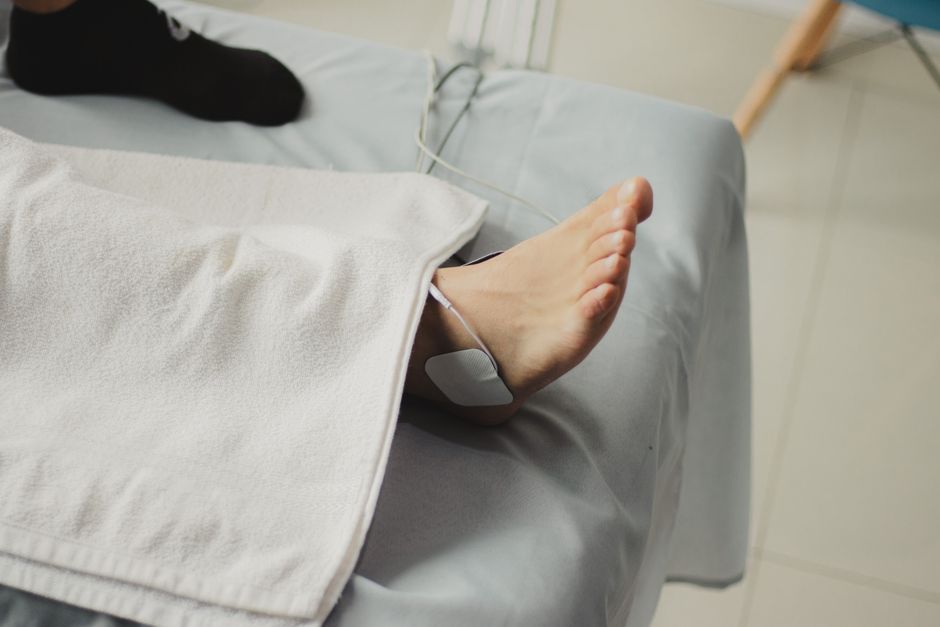
Gout is a form of arthritis that happens when uric acid builds up in your blood and forms sharp crystals in a joint. You get gout when your body produces too much uric acid or your kidneys cannot remove enough of it. These crystals cause sudden, intense pain, swelling, and redness, most often in the big toe.
What Exactly Causes Uric Acid to Build Up?
Your body makes uric acid when it breaks down purines. Purines are natural substances found in your body’s cells and in many foods. Most uric acid dissolves in your blood, travels to your kidneys, and leaves your body through urine. When this process gets disrupted, uric acid levels rise.
Two main things can go wrong. Your body may produce too much uric acid. Or your kidneys may not filter out enough. Some people have both problems. The result is the same — uric acid levels get high enough to form needle-like crystals in a joint space.
Research published in Arthritis & Rheumatology has shown that about 10% of people with high uric acid levels will develop gout over a five-year period. Not everyone with high uric acid gets gout. But the higher your level goes, the greater your risk becomes.
Which Foods and Drinks Raise Your Risk?
Diet plays a real role in how you get gout, though it is not the whole story. Foods high in purines increase the amount of uric acid your body has to process. Red meat, organ meats like liver, and certain seafoods like sardines, anchovies, and mussels are the biggest dietary contributors.
Alcohol is a major trigger. Beer is especially problematic because it contains purines from the yeast and barley. But all alcohol can raise uric acid levels by increasing production and reducing how much your kidneys excrete. A study in The Lancet found that men who drank two or more beers daily had a 2.5 times higher risk of developing gout compared to non-drinkers.
Sugary drinks matter too. Fructose, the sugar in sodas and many fruit juices, directly increases uric acid production. The CDC notes that sugar-sweetened beverages are linked to higher gout risk, especially in women. Diet sodas do not appear to have the same effect.
This does not mean you need to avoid all these foods forever. But if you have had a gout attack, cutting back on high-purine foods and alcohol is one of the most effective steps you can take.
Are Genetics and Family History Important?
Yes, genetics matter more than most people realize. Some people have a genetic tendency to produce more uric acid or to excrete less through their kidneys. If a close family member has gout, your own risk is higher.
Researchers have identified specific gene variants linked to gout. The SLC2A9 gene, for example, helps regulate uric acid transport in the kidneys. Variations in this gene can significantly affect your uric acid levels. A large study in Nature Genetics found that these genetic factors can explain up to 40% of the variation in uric acid levels between individuals.
But genetics are not destiny. Even if you have a family history, lifestyle choices still make a big difference. You can lower your risk through diet, weight management, and staying hydrated, even if your genes are not in your favor.





How Do Medical Conditions and Medications Contribute?
Several health conditions increase your chances of developing gout. High blood pressure, diabetes, kidney disease, and obesity are all associated with higher uric acid levels. These conditions can affect how your kidneys handle uric acid or cause your body to produce more of it.
Obesity is a particularly strong risk factor. The American College of Rheumatology reports that excess body weight increases uric acid production and reduces kidney excretion. Losing weight can lower uric acid levels, though rapid weight loss can actually trigger a gout attack temporarily because of changes in tissue breakdown.
Some medications can also raise uric acid levels. Diuretics, often called water pills and used for high blood pressure, reduce fluid volume and can increase uric acid concentration. Low-dose aspirin and certain immunosuppressants like cyclosporine have similar effects. If you take these medications and develop gout, talk to your doctor before stopping them. The benefits of the medication may still outweigh the risk.
What Actually Happens During a Gout Attack?
A gout attack is your immune system reacting to uric acid crystals in a joint. These crystals are sharp and irritating. Your immune cells try to eat them, which triggers inflammation. This is why the pain, swelling, and redness come on so fast — often within hours.
The big toe is the most common site, but gout can affect any joint. Ankles, knees, wrists, and elbows are also frequent locations. The pain is often described as intense, throbbing, or like the joint is on fire. Even the weight of a bedsheet can feel unbearable during an attack.
Attacks typically peak within 12 to 24 hours and then start to improve on their own over a week or so. But without treatment, the underlying high uric acid levels remain. This means more attacks are likely, and they can become more frequent and severe over time.
How You Get Gout Compared to Other Joint Pain
Gout is often confused with other types of arthritis, especially pseudogout and osteoarthritis. The table below shows key differences.
| Condition | Cause | Typical Onset | Most Common Joint |
|---|---|---|---|
| Gout | Uric acid crystals | Sudden, often at night | Big toe |
| Pseudogout | Calcium pyrophosphate crystals | Sudden to gradual | Knee |
| Osteoarthritis | Wear and tear of cartilage | Gradual over years | Knees, hips, hands |
| Rheumatoid arthritis | Autoimmune attack on joints | Gradual, often symmetrical | Hands, wrists, feet |
The key difference is the crystal formation. Only gout and pseudogout involve crystals, and they require different treatments. A doctor can confirm gout by drawing fluid from the affected joint and looking for uric acid crystals under a microscope.
Common Misconceptions About Gout
One widespread myth is that gout only happens to older men who eat rich foods. While it is more common in men, women can get gout too, especially after menopause when estrogen levels drop. Estrogen helps kidneys excrete uric acid, so its decline raises risk.
Another myth is that gout is caused by a single night of overindulgence. A big meal or heavy drinking can trigger an attack, but the underlying high uric acid levels build up over months or years. The trigger is not the cause.
Some people believe that cherry juice or vitamin C can cure gout. Some studies suggest these may modestly lower uric acid levels, but the effect is small. The American College of Rheumatology does not recommend them as primary treatment. They are not a substitute for medication if you need it.
There is also no clinical evidence that apple cider vinegar, baking soda, or Epsom salt baths treat gout effectively. These are widely claimed online, but strong evidence is lacking. Stick with what research supports.
What Steps Can You Take to Lower Your Risk?
If you want to reduce your chances of getting gout, focus on the factors you can control. The most effective steps are backed by solid research.
- Stay hydrated. Drinking plenty of water helps your kidneys flush out uric acid. Aim for at least 8 cups a day unless your doctor advises otherwise.
- Limit high-purine foods. Reduce red meat, organ meats, and shellfish. You do not have to cut them out completely, but make them occasional rather than daily.
- Avoid sugary drinks. Sodas and fruit juices with added sugar raise uric acid levels. Water, coffee, and unsweetened tea are better choices.
- Limit alcohol, especially beer. If you drink, keep it moderate. For men, that means two drinks or fewer per day. For women, one drink or fewer.
- Maintain a healthy weight. Losing excess weight lowers uric acid levels. But lose weight slowly — crash diets can trigger attacks.
These steps are not a guarantee. Some people with excellent diets still develop gout because of genetics or medical conditions. But for most people, lifestyle changes make a meaningful difference.
Frequently Asked Questions
Can you get gout from eating too much meat?
Eating large amounts of red meat and organ meats can raise your uric acid levels and increase your risk of gout. It is rarely the sole cause, but it is a significant contributor.
Is gout caused by drinking too much alcohol?
Yes, alcohol, especially beer, increases uric acid production and reduces how much your kidneys remove. Heavy drinking is a well-established trigger for gout attacks.
Can women get gout?
Yes, women can get gout, though it is less common before menopause. After menopause, estrogen levels drop and the risk rises significantly.
Does gout go away on its own without treatment?
A single gout attack often resolves within a week, but the underlying high uric acid levels remain. Without treatment, attacks become more frequent and can cause joint damage.
