
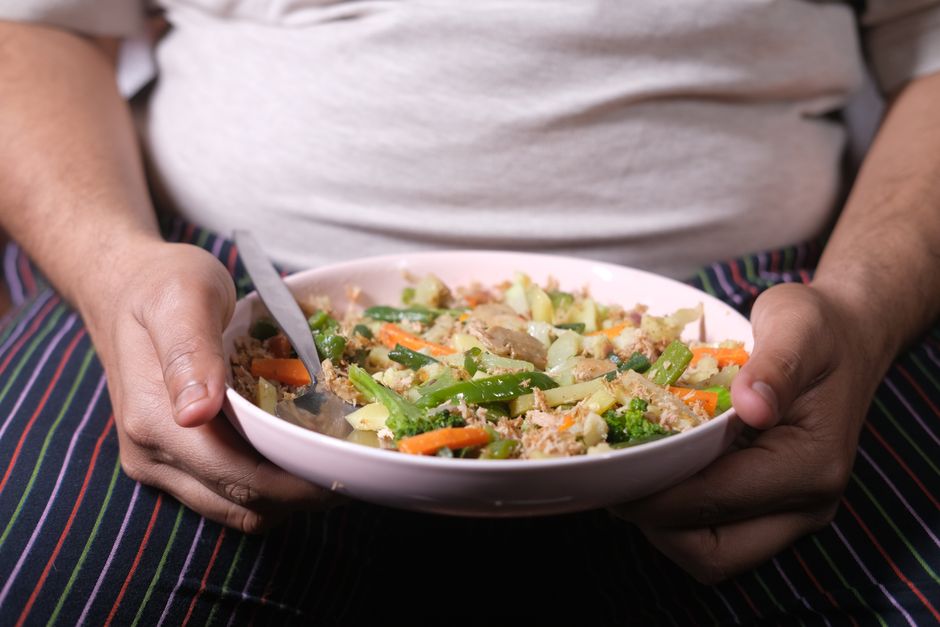
American Chinese food can be genuinely high in sodium and fat, but the numbers swing wildly depending on what you order. A plate of steamed vegetables with plain chicken sits in a completely different nutritional universe from a carton of orange beef. The cuisine itself is not the problem. The specific dish, the portion, and the kitchen’s cooking style decide everything.
Why Chinese Restaurant Food Has So Much Sodium
Sodium in Chinese restaurant cooking comes from three places at once: soy sauce, MSG, and the sauces built on top of them.
Soy sauce alone contains roughly 900 to 1,000 milligrams of sodium per tablespoon, according to USDA nutritional data. A single stir-fry might use two or three tablespoons. Add oyster sauce, hoisin, bean paste, or a splash of broth made from base powder, and the total climbs fast.
Then there is MSG. Monosodium glutamate gets blamed for a lot, but its actual sodium content is about one-third that of table salt by weight. The bigger issue is that MSG is usually added on top of soy sauce, not instead of it. So it stacks rather than replaces.
Restaurant kitchens also salt aggressively because salt suppresses bitterness and makes food taste richer. That is a real culinary technique, not a conspiracy. It just means the same dish cooked at home often lands far lower in sodium than the restaurant version.
How Unhealthy Is Chinese Food Sodium Fat More Than Other Takeout?
Chinese takeout is not uniquely worse than other fast food. It is roughly in the same range as pizza, burgers, and fried chicken — sometimes lower, sometimes higher.
A 2023 survey of takeout meals in the United States found that a typical Chinese restaurant entrée delivered somewhere between 1,000 and 3,000 milligrams of sodium, depending on the dish. That is a wide range, and it overlaps heavily with what you would see from a burger meal or a large pizza order.
What makes Chinese food stand out is not the average. It is the ceiling. Some dishes — General Tso’s chicken, orange beef, lo mein with extra sauce — can push past 3,000 milligrams in a single serving. The American Heart Association recommends no more than 2,300 milligrams of sodium per day for most adults, and ideally closer to 1,500 milligrams for people with high blood pressure. One entrée can exceed a full day’s limit.
Fat follows a similar pattern. Deep-fried dishes like sweet and sour pork, egg rolls, and crab rangoon absorb oil during cooking. That oil is not visible on the plate, but it is there. A single egg roll can carry 10 to 15 grams of fat depending on size and frying method.
Which Chinese Dishes Are Highest in Sodium and Fat?
The dishes that cause the most trouble share a pattern: battered, deep-fried, and coated in a sweet, glossy sauce.
- General Tso’s chicken — deep-fried, then tossed in a sauce built on soy, sugar, and cornstarch. Sodium and fat both run high.
- Orange beef — similar construction, often with more sugar to balance the citrus.
- Sweet and sour pork — battered and fried, with a sauce that is mostly sugar and vinegar.
- Lo mein — noodles absorb sauce, and the sauce is soy-based. Sodium adds up quickly.
- Egg rolls and crab rangoon — fried wrappers plus salty fillings.
The pattern is not random. Sugar, salt, and fat are the three things that make food hyper-palatable. Restaurant chains know this, and they design dishes around it. That is why the same dish from different chains can vary by 1,000 milligrams of sodium or more.





Are There Chinese Dishes That Are Actually Healthy?
Yes. Several dishes are genuinely moderate in sodium and fat, especially when you ask for sauce on the side.
Steamed dishes are the clearest example. Steamed chicken with broccoli, steamed fish with ginger and scallion, and steamed dumplings skip the frying step entirely. They still contain sodium from soy sauce, but the total is typically much lower than a fried entrée.
Stir-fried vegetables with tofu or plain chicken can also work well. The key is to ask for light sauce or sauce on the side. That single request can cut sodium substantially, because much of the sodium sits in the sauce that coats the dish.
Brown rice instead of fried rice removes a meaningful amount of fat and sodium. Fried rice is cooked with oil and seasoned with soy sauce. Steamed brown rice is neither.
Hot and sour soup and egg drop soup are lower in fat than fried appetizers, but both can be high in sodium. Wonton soup varies widely depending on the broth.
Does MSG Make Chinese Food Unhealthy?
No. MSG is not the main problem, and the evidence linking it to symptoms is weak.
The idea that MSG causes headaches, flushing, or “Chinese restaurant syndrome” traces back to a 1968 letter to a medical journal, not a controlled study. Since then, double-blind trials have generally failed to reproduce consistent symptoms in people who believe they are sensitive to MSG. Some people may genuinely react to large amounts, but the effect is not well established and does not appear in most people.
What matters more is that MSG contains sodium. If a dish already has soy sauce, adding MSG increases total sodium. The concern is the sodium load, not the glutamate.
How Can You Make Chinese Takeout Less Unhealthy?
You can cut sodium and fat substantially with a few specific requests. None of them require giving up the food you like.
- Ask for sauce on the side. This is the single biggest lever.
- Choose steamed over fried when the option exists.
- Order brown rice or steamed rice instead of fried rice.
- Skip or share the fried appetizers.
- Eat half the entrée and save the rest for another meal.
- Drink water instead of soda, which adds sugar without helping the sodium load.
Portion size matters as much as the recipe. A typical restaurant entrée is often two or three standard servings. Splitting it in half changes the math more than any ingredient swap.
If you eat Chinese food regularly and have high blood pressure, the sodium is the part worth paying attention to. The fat matters too, but sodium has a more direct effect on blood pressure for most people.
Is Chinese Food Worse Than Other Takeout?
Not inherently. Chinese food gets singled out partly because the sauces are visible and partly because of the MSG myth. But a burger with fries, a large pizza, or a fried chicken meal can easily match or exceed the sodium and fat in a Chinese entrée.
The real issue is the American restaurant model in general: large portions, heavy salt, and a lot of frying. Chinese food is one example of that pattern, not the cause of it.
Traditional Chinese home cooking looks very different. It relies more on steamed rice, vegetables, and smaller amounts of meat, with sauces used sparingly. The takeout version most Americans know was adapted for a different market and a different set of taste preferences.
Frequently Asked Questions
Is Chinese food high in sodium?
Many Chinese restaurant dishes are high in sodium, often ranging from 1,000 to over 3,000 milligrams per entrée. Steamed dishes with sauce on the side are typically much lower.
Is MSG bad for you?
No strong evidence shows MSG causes harm in most people. The main concern is that it adds sodium to dishes that already contain soy sauce.
What is the healthiest Chinese food to order?
Steamed dishes with vegetables, tofu, or plain chicken, served with brown rice and sauce on the side, are generally the lowest in sodium and fat.
Is Chinese food worse than burgers or pizza?
Not consistently. Sodium and fat levels overlap heavily across all fast food categories, and the specific dish matters more than the cuisine.
