
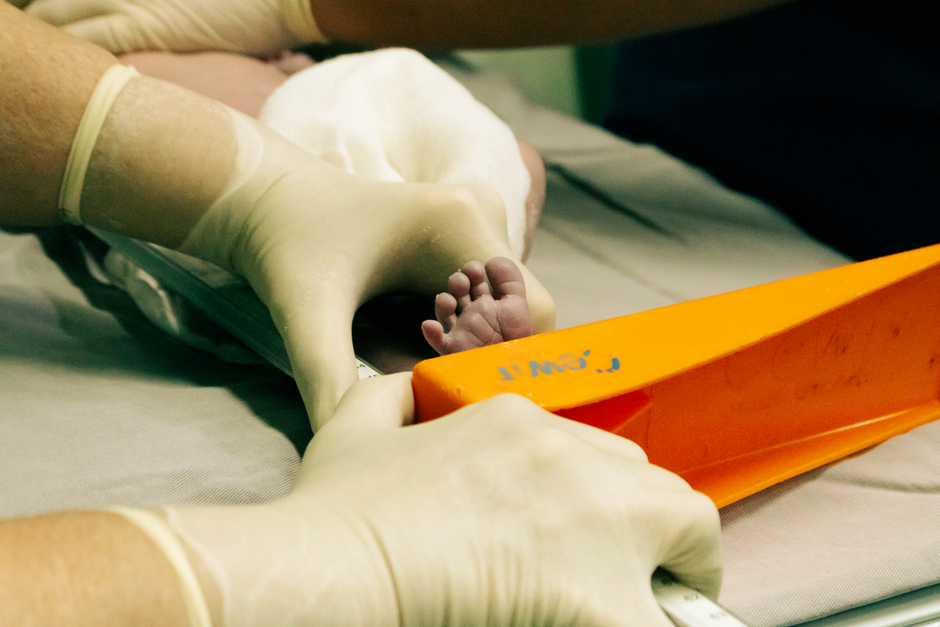
Working with babies in a hospital means caring for patients who cannot describe what hurts, cannot ask for help, and can change quickly. The people who do this work fall into a few broad groups: doctors who specialize in newborn and infant medicine, nurses and nurse practitioners, respiratory and physical therapists, and a wide range of support staff. Each role has its own training path, its own daily tasks, and its own level of responsibility for medical decisions.
What Does It Mean To Work With Babies In The Hospital?
Infant care in a hospital is not one job. It is a system of jobs that overlap and depend on each other. A premature baby in a neonatal intensive care unit, or NICU, might be seen by a neonatologist, several nurses, a respiratory therapist, a dietitian, and a pharmacist in a single day. A healthy newborn in a regular maternity ward may only need a nurse and a pediatrician.
The common thread is that babies cannot communicate. Every assessment depends on observation, monitoring equipment, and clinical training. A nurse notices a subtle change in breathing. A doctor interprets a blood gas result. A therapist watches how a baby moves and feeds. None of it works without the others.
This is also why the field attracts a certain kind of person. You need patience, sharp observation, and the ability to stay calm while a parent watches you work. Communication with families is not a side task. It is part of the job.
Which Medical Roles Care For Babies In The Hospital?
Physicians who care for hospitalized babies fall into several categories, and the differences matter if you are considering a career path.
Neonatologists are pediatricians who completed additional fellowship training in newborn intensive care. They lead care in the NICU, manage ventilators and feeding tubes, and make decisions about premature birth complications. This is one of the longest training paths in medicine: four years of medical school, three years of pediatric residency, and three more years of neonatology fellowship in most cases.
Pediatricians care for babies in general hospital settings. They examine newborns after delivery, manage common issues like jaundice and feeding difficulty, and coordinate care when a baby needs a specialist. A general pediatrician may also follow babies in the hospital who were born early but are stable enough not to need intensive care.
Pediatric hospitalists are pediatricians who work specifically in hospital settings rather than outpatient clinics. They handle admissions, daily rounds, and discharge planning. This role has grown over the past two decades as hospitals have moved toward having dedicated inpatient physicians.
Pediatric subspecialists get involved when a baby has a specific condition. A pediatric cardiologist evaluates heart defects. A pediatric surgeon operates on conditions like bowel obstruction. A pediatric neurologist assesses seizures. These doctors usually consult rather than lead daily care.
What Do Nurses And Nurse Practitioners Do With Babies?
Nurses provide the most continuous care of anyone in the hospital. A NICU nurse might be assigned to one or two critically ill babies for an entire shift. That means monitoring vital signs, adjusting oxygen, feeding through tubes, changing diapers, and documenting everything.
Neonatal nurses often complete specialty certification beyond their nursing degree. The work requires comfort with technology — ventilators, monitors, infusion pumps — and the ability to recognize when something is wrong before it shows up on a screen.
Neonatal nurse practitioners hold advanced degrees and can perform many tasks that once belonged only to doctors. Depending on state law and hospital policy, they may order tests, adjust medications, place lines, and lead resuscitations. Scope of practice for nurse practitioners varies by state, so the role looks different depending on where you work.
Lactation consultants are often nurses or other health professionals with additional certification in breastfeeding support. They help mothers establish milk supply, teach positioning, and troubleshoot feeding problems. This matters because feeding is one of the main reasons babies stay in the hospital longer than expected.




Which Therapy And Support Roles Work With Hospitalized Babies?
Not every role is medical in the traditional sense, but each one affects how a baby progresses.
- Respiratory therapists manage breathing support. They set up and adjust ventilators, deliver inhaled medications, and respond when a baby’s oxygen drops. In many NICUs they are present at every delivery of a premature infant.
- Physical and occupational therapists work on movement, muscle tone, and feeding skills. For babies who have been in the hospital for weeks or months, therapy can help address developmental delays that come from limited movement and medical equipment.
- Speech-language pathologists often focus on swallowing and feeding safety in infants, especially those with neurological conditions or those who have had prolonged tube feeding.
- Registered dietitians calculate nutrition needs. Premature babies have specific requirements for calories, protein, and minerals, and dietitians adjust feeding plans as babies grow.
- Pharmacists review medications for dosing accuracy. Infant doses are often based on weight and change as a baby gains grams, so pharmacist review is a genuine safety layer.
- Social workers help families navigate insurance, transportation, and the emotional strain of a hospital stay. They also coordinate with child protective services when needed.
- Child life specialists focus on developmental and emotional support. In infant settings their work often centers on helping parents bond with their baby despite tubes and monitors.
One point worth clarifying: these roles are not ranked by importance. A NICU stay can hinge as much on a dietitian’s feeding plan as on a physician’s medical decisions.
How Do You Actually Get Into This Work?
The path depends entirely on which role you want. There is no single entry point.
For nursing, you need a nursing degree and a license. Many hospitals prefer or require a bachelor’s degree, and NICU positions often ask for prior experience in a related setting. New graduate residency programs exist at many hospitals specifically to train nurses for specialty areas like neonatal care.
For physician roles, the path is long and structured. Medical school, residency, and often fellowship. There is no shortcut, and the training requirements are set by accrediting bodies rather than individual hospitals.
For therapy roles, you need a graduate degree in physical therapy, occupational therapy, or speech-language pathology, plus state licensure. Pediatric experience is usually built through clinical placements and continuing education rather than a separate degree.
For support roles like child life specialist, certification typically requires a bachelor’s degree in a related field plus a supervised internship and a certification exam.
Volunteering in a hospital nursery or NICU is a common first step for people exploring the field. It does not substitute for training, but it gives you a realistic look at the environment.
What Is It Actually Like To Work In A NICU?
The NICU is a strange environment. It is quiet and loud at the same time. Alarms go off constantly. Lights are dimmed to protect developing eyes. Parents sit beside incubators for hours.
The emotional weight is real. Not every baby survives, and staff who work in intensive care over years carry that. Many hospitals now offer structured debriefing after difficult cases, though the availability of this support varies widely.
The work is also deeply technical. Small changes in a baby’s condition can signal something serious. A nurse who notices a subtle color change or a shift in feeding behavior may be the reason a problem is caught early. That kind of attention is not something a monitor can replace.
Pay varies by role, region, and experience. Nursing and therapy roles generally pay less than physician roles, but they also require less training time. Shift work is common in nursing and respiratory therapy. Physician roles often involve long hours and overnight call during training years.
Do You Need Special Certification To Work With Babies?
For some roles, yes. For others, no. This is where people often get confused.
Neonatologists must be board certified in pediatrics and then in neonatology. That certification comes through a recognized medical board and requires passing exams after fellowship.
Neonatal nurses can pursue certification through professional nursing organizations, but it is usually voluntary rather than required for employment. Many hospitals encourage it and some pay a differential for certified staff.
Lactation consultants are certified through an international board that requires specific clinical hours and coursework. The credential is not a license, but many hospitals prefer or require it for feeding support positions.
Respiratory therapists, physical therapists, and pharmacists are licensed by their states. Pediatric or neonatal specialization within those fields is usually demonstrated through experience and optional certification rather than a separate license.
If you are considering a specific role, the most reliable source of information is the credentialing body for that profession and the hiring requirements listed by hospitals in your area. Requirements can differ between hospitals even for the same job title.
Frequently Asked Questions
What is the highest-paying role working with babies in a hospital?
Neonatologists and pediatric subspecialists generally earn the most, reflecting their length of training. However, pay varies widely by region, hospital type, and years of experience, so no single figure applies across the field.
Can you work in a NICU without being a nurse or doctor?
Yes. Respiratory therapists, dietitians, pharmacists, social workers, and child life specialists all work in NICUs without nursing or medical degrees. Each role has its own training and certification requirements.
How long does it take to become a NICU nurse?
A nursing degree typically takes two to four years depending on the program, followed by licensure. Many hospitals then require or prefer additional NICU experience or a new graduate residency program before hiring into intensive care.
Do you need a special degree to work with babies in a hospital?
It depends on the role. Physicians need medical school plus residency and often fellowship, while support roles like child life specialist require a bachelor’s degree and certification. Some hospital positions, such as unit clerk or volunteer, have no specialized degree requirement.
