
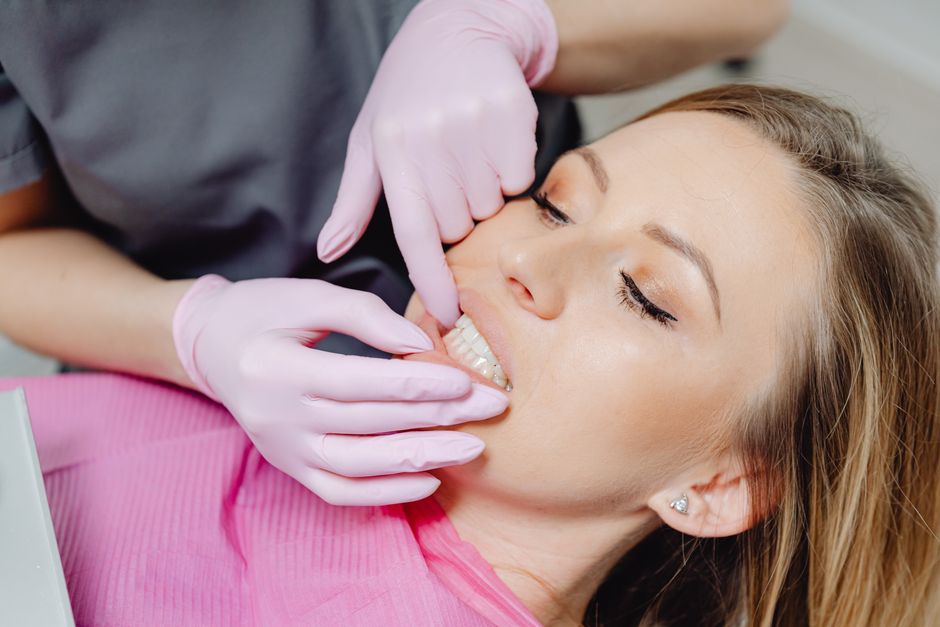
Temporary acrylic teeth — often called flippers, partials, or temporary dentures — collect stains just like natural teeth do. Coffee, tea, red wine, and tobacco can leave them looking dull or yellow within weeks. The good news is that you can whiten them at home without damaging the acrylic. The key is to use gentle cleaning methods and avoid anything abrasive or acidic. Whitening toothpastes and bleach-based products can ruin temporary acrylics by scratching the surface or weakening the material. Instead, use a soft brush, mild dish soap, or a denture cleaner made specifically for acrylic appliances.
Why Do Temporary Acrylic Teeth Stain So Quickly?
Acrylic is a porous material. Unlike natural enamel, it has microscopic openings that trap pigment molecules from food and drink. That is why a single cup of coffee can leave a visible mark.
Saliva does not wash acrylic the way it washes natural teeth. Natural teeth have a protective protein layer that resists staining. Acrylic has no such defense. Every sip of dark liquid leaves a residue that builds up over time.
Temporary teeth are also worn for weeks or months while you wait for a permanent restoration. That extended wear time gives stains more opportunity to set in. The longer the stain sits, the harder it is to remove.
What Cleaners Are Safe For Temporary Acrylic Teeth?
Not all denture cleaners are safe for temporary acrylic. Some contain harsh chemicals that can warp or discolor the material. Always check the label for the words “acrylic-safe” before using any product.
Safe options include:
- Mild dish soap like Dawn or Palmolive mixed with warm water
- Acrylic-safe denture tablets such as Polident or Efferdent
- Baking soda paste made with water only (use sparingly)
- White vinegar diluted with water (one part vinegar to three parts water)
Unscented hand soap also works in a pinch. The goal is to break down the film of saliva and food particles that holds stains to the acrylic surface. Any gentle soap accomplishes this without damaging the material.
Do not use toothpaste. Most toothpastes contain silica or other abrasives that scratch acrylic. Those scratches become new homes for stains. The same rule applies to baking soda — use it rarely and gently, not as a daily cleaner.
Step-By-Step: How To Whiten Temporary Acrylic Teeth At Home
This method works for most surface stains. It takes about 15 minutes and uses items you likely already have in your kitchen.
Step 1: Rinse the appliance under lukewarm running water. Never use hot water — it can warp acrylic and change the fit of your temporary teeth.
Step 2: Brush gently with a soft-bristled toothbrush and a drop of mild dish soap. Use light pressure. You are not scrubbing a pan; you are lifting a film off a delicate surface. Brush for 60 to 90 seconds, paying attention to grooves and crevices where stains hide.
Step 3: Soak in an acrylic-safe cleaner. Dissolve one denture tablet in a glass of lukewarm water according to the package directions. Soak for the recommended time — usually 5 to 15 minutes. Do not leave acrylic in the solution overnight unless the package specifically says that is safe.
Step 4: Rinse thoroughly under lukewarm water. Any cleaner residue left on the acrylic can irritate your gums when you put the appliance back in.
Step 5: Dry and inspect. Pat dry with a clean cloth. Check for remaining stains. If you still see discoloration, repeat the soak for another 10 minutes.
This routine removes surface stains from coffee, tea, and most food pigments. It will not remove deep stains that have penetrated the acrylic over months of wear. Those may require professional polishing by your dentist or dental lab.


What Should You Never Use On Temporary Acrylic Teeth?
Some common household products can permanently ruin your temporary teeth. Avoid all of these:
- Bleach or hydrogen peroxide — These weaken acrylic and can turn it chalky white or cause it to crack.
- Whitening toothpaste — The abrasives scratch the surface, and the whitening agents do nothing for acrylic.
- Mouthwash with alcohol — Alcohol can dry out and warp acrylic over time.
- Hot or boiling water — Heat distorts the shape of acrylic, and a warped temporary tooth will not fit correctly.
- Vinegar soaks longer than 30 minutes — The acid can soften acrylic if left too long.
- Ultrasonic cleaners with harsh solutions — These devices are fine with the right solution but can damage acrylic if used with bleach or alcohol-based products.
If you are ever unsure whether a product is safe, ask your dentist or dental lab. A damaged temporary tooth may need to be remade, which costs time and money.
How To Prevent Stains From Forming In The First Place
Prevention is easier than removal. A few simple habits keep your temporary acrylic teeth looking white for the entire time you wear them.
Rinse after every meal and drink. A quick rinse with plain water removes the fresh pigment before it has a chance to bind to the acrylic. This single habit prevents most staining.
Limit dark beverages. Coffee, tea, red wine, and cola are the biggest culprits. If you drink them, rinse your mouth with water afterward. You do not need to give them up — just follow each cup with a water rinse.
Remove the appliance when eating. If your dentist allows it, take your temporary teeth out before meals. This keeps food pigments from ever touching the acrylic. Many patients find eating more comfortable without the appliance anyway.
Clean the appliance daily. A 5-minute soak and gentle brush each evening removes the day’s buildup before it hardens into a stain. Skipping a day gives stains a head start.
Do not smoke. Tobacco tar is one of the most difficult stains to remove from acrylic. It penetrates quickly and turns the material yellow-brown. If you smoke, expect your temporary teeth to discolor regardless of how often you clean them.
When To See Your Dentist Instead Of DIY Whitening
Some stains cannot be fixed at home. If your temporary teeth have been stained for weeks or if the discoloration is deep and dark, home cleaning may not be enough.
Your dentist or dental lab can professionally polish acrylic. This process removes a thin layer of the surface, along with the stains embedded in it. Polishing restores the original shine and color. It is a common service for temporary appliances.
See your dentist if you notice any of the following:
- The acrylic has turned yellow or brown throughout, not just on the surface
- The material feels rough or chalky
- The appliance no longer fits snugly
- There are visible cracks or chips
- Home cleaning has not improved the appearance after two weeks
In some cases, a heavily stained temporary tooth may need to be replaced entirely. This is not a reflection of poor care — some acrylic materials stain faster than others, and prolonged wear time makes staining almost inevitable.
Does Whitening Toothpaste Work On Acrylic?
No. Whitening toothpaste is designed for natural enamel, not acrylic. The active ingredients in whitening toothpaste — usually hydrogen peroxide or carbamide peroxide — do not penetrate acrylic the way they penetrate enamel.
Worse, the abrasives in whitening toothpaste are often stronger than those in regular toothpaste. These abrasives scratch acrylic, leaving a dull, rough surface that collects even more stains. The result is a temporary tooth that looks worse after brushing than before.
If you want to use a toothpaste-like product on your acrylic, look for one labeled “denture paste” or “denture cleanser.” These are formulated for the softer surface of acrylic appliances. They clean without scratching.
Can Baking Soda Whiten Acrylic Teeth?
Baking soda can help, but only with caution. It is mildly abrasive, which means it can remove surface stains through gentle friction. Used occasionally, it is safe for acrylic. Used daily, it will scratch the surface just like toothpaste.
Make a paste with one teaspoon of baking soda and enough water to form a thick consistency. Apply with a soft toothbrush using light pressure. Rinse thoroughly afterward. Limit this treatment to once or twice a week at most.
Baking soda will not whiten deep stains. It only lifts surface discoloration. If your temporary teeth have been stained for a long time, you will need a professional polish instead.
Frequently Asked Questions
How long does it take to whiten temporary acrylic teeth at home?
Surface stains usually lift within one or two cleaning sessions. Deep stains that have set in over weeks may not respond to home whitening at all.
Can I soak my temporary acrylic teeth in hydrogen peroxide?
No. Hydrogen peroxide weakens acrylic and can cause it to turn chalky white or crack. Use an acrylic-safe denture cleaner instead.
Will whitening strips work on temporary acrylic teeth?
No. Whitening strips are designed for natural enamel and will not change the color of acrylic. The peroxide in the strips does not penetrate the material.
How often should I clean my temporary acrylic teeth?
Clean them once daily with a soft brush and mild soap, and rinse after every meal or drink. Daily cleaning prevents stains from setting in.
