
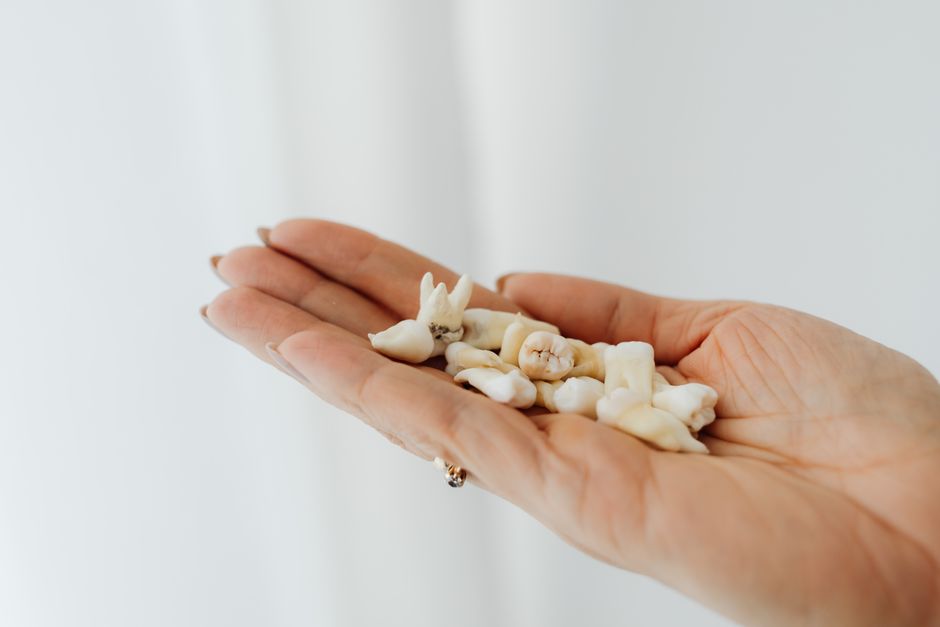
Waiting to vape after wisdom tooth removal is not about inconvenience — it is about protecting the healing socket. The short answer: most oral surgeons recommend waiting at least 72 hours, but the safest approach is to avoid vaping for 7 to 10 days. Vaping sooner than 72 hours significantly increases your risk of a painful complication called dry socket, which can set your recovery back by days or weeks.
Why Vaping After Wisdom Teeth Removal Is Dangerous
The main risk is dry socket. When your wisdom tooth is removed, a blood clot forms in the empty socket. This clot protects the bone and nerve endings underneath while new tissue grows. Dry socket happens when that clot is dislodged or dissolves too early.
Vaping creates two problems at once. The suction from inhaling can pull the clot right out of the socket. And the chemicals in vapor — including nicotine — can slow down blood flow and delay healing. Some research also suggests nicotine itself may interfere with the body’s ability to form a stable clot in the first place.
Dry socket is not just uncomfortable. It exposes the underlying bone and nerves, causing severe, throbbing pain that often radiates to your ear or eye. It typically requires a return visit to your dentist for a medicated dressing. Recovery from dry socket can add several days to your healing time.
What Actually Happens in the First 72 Hours
In the first 24 hours, the blood clot is forming and stabilizing. This is the most fragile period. The clot is not firmly attached, and any suction can easily dislodge it.
By 48 to 72 hours, the clot is more secure but still not fully established. The socket is beginning to form granulation tissue — new blood vessels and connective tissue that will eventually fill the hole. This tissue is delicate and can be disrupted by the pressure changes from vaping.
After day 5 to 7, the socket is usually covered with new tissue, and the risk of dry socket drops significantly. However, the deeper bone is still healing. Even if the surface looks closed, the area underneath remains vulnerable for several weeks.
How Long After Wisdom Teeth Can I Vape Safely?
There is no universal number that makes vaping completely safe after any oral surgery. The risk decreases over time, but it never drops to zero until the socket is fully closed.
Here is the practical breakdown:
- 0 to 72 hours: Highest risk. The clot is fragile. Most cases of dry socket occur in this window.
- 3 to 5 days: Risk is lower but still present. Some surgeons will clear patients to vape gently at this point, but many recommend waiting longer.
- 7 to 10 days: The socket is typically covered with new tissue. Dry socket risk is low, though not absent.
- 2 weeks and beyond: The surface is usually healed. Deeper bone remodeling continues for months, but the main risk period has passed.
If you choose to vape after the first week, take precautions. Use the lowest nicotine strength you have, or ideally zero nicotine. Inhale gently and shallowly. Avoid holding the vapor in your mouth. And rinse your mouth with water after vaping to clear any residue from the surgical site.
The Difference Between Nicotine and Nicotine-Free Vaping
Nicotine is a vasoconstrictor. It narrows blood vessels, which reduces blood flow to the healing area. Reduced blood flow means fewer oxygen and nutrients reach the tissue that is trying to repair itself. This can slow healing and increase the chance of infection.
Nicotine-free vaping removes that chemical effect, but it does not remove the mechanical risk. The suction from inhaling is still there. The physical force of pulling air through the mouth can still dislodge a clot.
Some patients ask if they can vape through their nose. This is not a safe alternative. The suction is still created in the mouth, and the pressure change can still affect the socket. Additionally, exhaling through the nose does not eliminate the suction generated on the inhale.
What About Smoking Cigarettes or Using Other Tobacco Products?
Smoking carries the same risks as vaping, plus additional ones. The heat and smoke irritate the surgical site directly. The chemicals in tobacco smoke are more numerous and more damaging to healing tissue than those in vapor.
Research consistently shows that people who smoke after tooth extraction have higher rates of dry socket and delayed healing compared to non-smokers. The same suction mechanism applies, but the chemical burden is heavier.
Chewing tobacco is not a safe alternative either. The physical presence of the product near the socket can disrupt the clot, and the nicotine is absorbed directly into the bloodstream, producing the same vasoconstrictive effect.
Signs of Dry Socket and When to Call Your Surgeon
Dry socket typically develops 2 to 5 days after the extraction. The pain is usually severe and different from the normal post-surgical discomfort. You may notice an empty-looking socket, and the pain may worsen rather than improve over time.
Other signs include:
- Pain that radiates from the extraction site to your ear, eye, or temple
- An unpleasant taste in your mouth
- Bad breath that does not resolve with rinsing
- Visible bone in the socket
If you experience these symptoms, contact your oral surgeon or dentist. Do not try to treat it yourself. Dry socket requires professional management, usually a medicated dressing that soothes the exposed nerve and promotes healing.
Fever, heavy bleeding, or swelling that gets worse after a few days are also reasons to call. These can indicate infection, which is a separate but serious complication.
How to Manage the Urge to Vape While You Wait
Withdrawal from nicotine is real, and the first few days after surgery can be uncomfortable for regular vapers. The key is to have a plan before the surgery, not after.
If you vape with nicotine, consider reducing your nicotine strength in the week before surgery. This makes the forced break less jarring. Some patients use nicotine replacement therapy — patches or gum — during the healing period. This delivers nicotine without the suction or the smoke. Discuss this with your surgeon beforehand, as even the patch can affect healing, but it is far safer than vaping.
For the oral fixation component, sugar-free hard candies or ice chips can help. Chewing on the opposite side of your mouth is fine once the anesthesia wears off and your surgeon clears you for solid food. Avoid using straws entirely for at least a week — the suction from a straw creates the same risk as vaping.
Frequently Asked Questions
Can I vape 24 hours after wisdom teeth removal?
No. At 24 hours, the blood clot is still fragile and the risk of dry socket is at its highest. Waiting at least 72 hours is the minimum recommendation, and longer is safer.
Is dry socket more likely with vaping or smoking?
Both carry significant risk, but smoking adds heat and a heavier chemical load to the surgical site. The suction from either activity can dislodge the clot equally.
Can I vape zero nicotine after wisdom teeth removal?
Zero nicotine removes the chemical slowdown of healing, but the suction from inhaling still poses a clot-displacement risk. Wait at least 72 hours, and preferably a week, even with nicotine-free liquid.
How long does the socket take to fully heal after wisdom teeth removal?
The surface tissue usually closes within 2 to 3 weeks, but the underlying bone continues to remodel for several months. The high-risk period for dry socket ends around day 7 to 10.
