
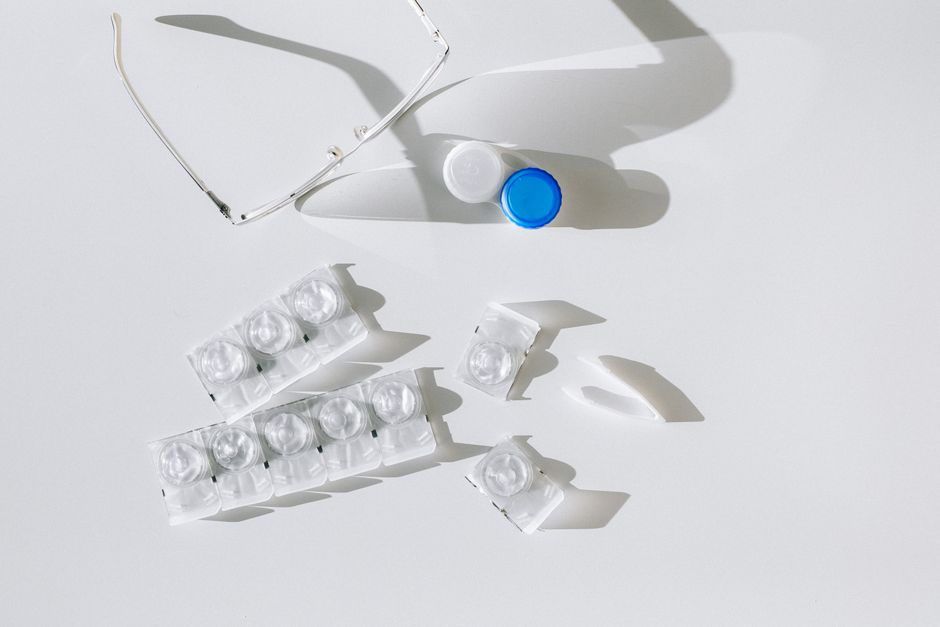
Wearing contact lenses safely comes down to a few habits: clean hands, the right lens solutions, and never sleeping in lenses unless your eye doctor specifically approved it. Most serious contact lens complications are linked to poor hygiene or wearing lenses longer than recommended. Getting the basics right from day one prevents the majority of problems beginners run into.
How To Wear Contact Lenses Tips For Beginners
Start with clean, dry hands every single time. Wash with soap and water, then dry with a lint-free towel. Soap residue and water both cause problems on lenses.
Before touching a lens, check it. Place it on your fingertip and look at the shape. A lens that is inside out has a bowl edge that flares outward like a saucer rather than curving in like a bowl. If it is inside out it will feel uncomfortable and may not stay centered.
To insert: look up, pull your lower eyelid down with your middle finger, and place the lens on the lower white part of your eye. Then look down slowly and release your eyelid. Blink gently. The lens should center itself.
To remove: look up, pull the lower lid down, and slide the lens down to the white part of your eye with your index finger. Pinch it gently between thumb and index finger and lift it out. Never pinch it on the colored part of your eye.
- Always insert the same lens first so you do not mix up right and left
- Keep your fingernails short to avoid scratching the lens or your eye
- Do not use tap water on lenses or lens cases
- Replace lenses on the schedule your eye doctor gave you, even if they feel fine
- Never share lenses with anyone
Why Is Hand Hygiene So Important With Contact Lenses?
Hand hygiene is the single most important step in contact lens care. The most serious eye infection linked to contact lens use is microbial keratitis, an infection of the cornea. Research consistently shows that poor hand hygiene and contact with water are major risk factors.
Your hands pick up bacteria, fungi, and viruses from everyday surfaces. If you handle a lens with unwashed hands, you transfer those organisms directly onto the lens surface, which then sits against your cornea for hours. The cornea has no blood vessels to mount a rapid immune response, so infections there can progress quickly.
Water is a separate hazard. Tap water, swimming pools, hot tubs, and showers can contain Acanthamoeba, a free-living organism that causes a rare but severe corneal infection. This infection is difficult to treat and can cause permanent vision loss. Never rinse lenses or cases with water. Never swim or shower in lenses unless you wear tight-fitting goggles and your eye doctor has approved it.
What Are the Most Common Beginner Mistakes?
Sleeping in lenses is the mistake most strongly linked to serious complications. When your eyes are closed, the cornea gets less oxygen from the air. Lenses that are not approved for overnight wear can trap bacteria and reduce oxygen further. Some lenses are FDA-approved for extended wear, but this must be specifically prescribed. Do not assume your lenses are safe to sleep in.
Wearing lenses past their replacement schedule is another common error. Even if a lens feels fine, protein and lipid deposits build up on the surface over time. These deposits can harbor bacteria and cause irritation. Daily disposable lenses are thrown away every day. Two-week and monthly lenses have specific replacement schedules that should be followed.
Topping off solution is a mistake many beginners make. This means adding fresh solution to old solution in the case instead of emptying and refilling. Old solution loses its disinfecting ability, and topping off dilutes the fresh solution. Empty the case completely, rinse with fresh solution, and refill.
Using the wrong solution is also common. Saline is not a disinfectant. It can rinse but it does not kill organisms. Hydrogen peroxide systems and multipurpose solutions work differently. Never mix them. Never use homemade saline. Never use solution past its expiration date.





How Should You Clean and Store Your Lenses?
Follow the specific instructions that came with your lenses and solutions. Different products have different requirements.
For multipurpose solution: rinse the lens, place it in the case, and fill with fresh solution. Let it soak for the minimum time listed on the product, usually at least four to six hours. Never reuse solution.
For hydrogen peroxide systems: place the lens in the special case with the neutralizing disc or tablet. Never put hydrogen peroxide solution directly in your eye. The neutralization step converts it to a gentle saline-like solution, which takes several hours.
Replace your lens case at least every three months. Some guidelines suggest more often. Cases harbor bacteria even when they look clean. Rinse the case with fresh solution after each use and leave it open to air dry upside down.
Do not store lenses in water. Do not use saliva. Do not use any liquid not specifically made for contact lenses.
What Are the Warning Signs You Should Not Ignore?
Remove your lenses immediately and call your eye doctor if you notice any of these:
- Eye pain that does not go away after removing the lens
- Redness that worsens or does not improve
- Blurred vision that persists after lens removal
- Light sensitivity
- Excessive tearing or discharge
- A feeling that something is stuck in your eye
- Swelling around the eye
These symptoms can indicate an infection or a corneal abrasion. Do not wait to see if it gets better. Do not put the lens back in. Do not use old antibiotic drops or any drops not prescribed for this specific problem. Corneal infections can worsen quickly, and prompt treatment matters for preserving vision.
Do You Need a Prescription to Buy Contact Lenses?
Yes. In the United States, contact lenses are regulated as prescription medical devices. You cannot legally buy them without a valid prescription, even if you only want them for cosmetic purposes. Non-prescription decorative lenses sold at costume shops or online without a prescription are illegal and have caused serious eye injuries.
A contact lens prescription is different from a glasses prescription. It includes the base curve, diameter, and specific lens brand and material. Your eye doctor measures your cornea and evaluates how your eyes respond to lenses. This is why you cannot simply use your glasses prescription to order contacts.
Get a yearly eye exam. Even if your vision seems fine, your eye doctor checks for signs of lens-related problems, changes in corneal shape, and other issues that may not cause symptoms yet.
Can You Wear Contact Lenses If You Have Dry Eyes or Allergies?
Many people with mild dry eye or seasonal allergies can wear lenses successfully. Your eye doctor may recommend specific lens materials, daily disposables, or prescription eye drops that are compatible with lenses.
Some people with moderate to severe dry eye cannot tolerate lenses comfortably. If you have dry eye, talk to your eye doctor before assuming lenses are not an option. There are lenses designed for dry eye, and treatment for the underlying dry eye may improve tolerance.
For allergies: some allergy medications dry out the eyes. If your eyes feel dry, gritty, or uncomfortable during allergy season, that may be why. Never use allergy eye drops while wearing lenses unless the product is specifically labeled for contact lens use.
What Else Should Beginners Know?
Give yourself time to adjust. New lens wearers often notice increased awareness of the lens, mild tearing, or slight blurriness for the first few days. This usually improves as you adapt. If discomfort persists beyond a few days, see your eye doctor.
Carry a backup pair of glasses. If a lens tears, gets lost, or your eye becomes irritated, you need a way to see.
Do not wear lenses longer than your prescribed wearing schedule. If your lenses are approved for daily wear only, that means remove them before sleep. If they are approved for extended wear, follow the specific number of days your doctor recommended.
Replace lenses as directed. Do not try to stretch a two-week lens to three weeks or a monthly lens to six weeks. The replacement schedule is based on how the lens material performs over time.
Keep your follow-up appointments. Contact lens wear changes the surface of your eye over time. Regular exams catch problems early.
Frequently Asked Questions
Can I sleep in my contact lenses?
Only if your eye doctor specifically prescribed lenses approved for overnight wear and told you it is safe for your eyes. Sleeping in lenses not approved for overnight use increases the risk of corneal infection and oxygen deprivation.
Can I wear contact lenses in the shower or while swimming?
No. Water can introduce organisms that cause serious eye infections, including Acanthamoeba keratitis. If you must swim, wear tight-fitting goggles and remove lenses afterward.
How often should I replace my contact lens case?
Replace your lens case at least every three months. Rinse it with fresh solution after each use and let it air dry upside down with the caps off.
What should I do if my eye hurts while wearing a lens?
Remove the lens immediately and do not put it back in. If pain, redness, or blurred vision continues after removal, contact your eye doctor right away.
