
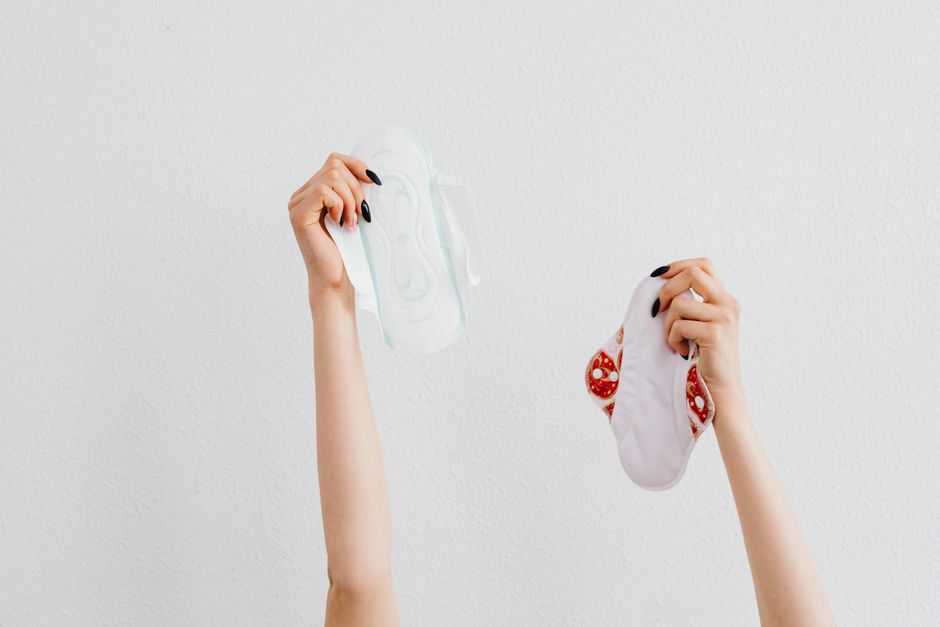
Washing reusable pads comes down to four steps: rinse them in cold water right after use, wash them with a mild detergent in warm water, rinse until the water runs clear, and dry them completely before storing. Cold water first matters more than most people realize, because heat sets blood proteins into fabric the same way it sets stains in any other laundry. Get that order right and the rest of the routine is simple.
Reusable pads are a normal laundry item. They are not fragile, and they do not need special equipment. What they need is a consistent routine, correct water temperature, and thorough drying. This guide walks through each step and explains the reasons behind them.
What Do You Need Before You Start Washing Reusable Pads?
You need three things: cold water, a mild detergent, and a place to dry them fully. That is the entire list. Specialty “period care” washes exist, but no clinical evidence shows they clean better than a plain, fragrance-free detergent.
Skip fabric softener and dryer sheets. Softeners coat fibers with a waxy film that reduces absorbency over time. For a product whose whole job is absorbing liquid, that coating works directly against you.
Have a small waterproof bag or wet bag for storage between washing. A dedicated container with a lid works too. The goal is to keep used pads separate from other laundry and to stop them drying out before you wash them.
How Do You Rinse Reusable Pads Right After Use?
Rinse each pad in cold water as soon as you can after changing it. Hold it under the tap or soak it in a basin until the water runs mostly clear. This removes the bulk of the blood before it has a chance to dry into the fibers.
Cold water is doing real work here. Blood contains proteins, and hot water causes those proteins to coagulate and bind to fabric. That is why hot water makes blood stains harder to remove, not easier. Cold water keeps the proteins soluble so they rinse away.
If you cannot rinse immediately, that is not a disaster. Fold the pad inward and place it in your wet bag. Rinse it when you get home. Pads that sit damp for a day are still washable — they may just need a longer soak.
A short soak in cold water before the main wash helps with heavier flow days. Fifteen to thirty minutes is plenty. There is no need to soak overnight, and long soaks in warm water encourage odor and bacterial growth.
How To Wash Reusable Pads Step By Step Routine
Here is the full routine from rinse to storage. Follow the order — it matters.
- Step 1: Rinse in cold water. Remove the bulk of the blood under running cold water or in a cold basin.
- Step 2: Pre-soak if needed. For heavier pads or older stains, soak in cold water with a small amount of detergent for 15 to 30 minutes.
- Step 3: Wash in warm water. Use a mild, fragrance-free detergent. Warm water — not hot — is enough to clean the fabric without setting stains.
- Step 4: Rinse thoroughly. Rinse until the water runs clear. Detergent residue left in the fabric can irritate sensitive skin.
- Step 5: Dry completely. Air dry in direct sunlight or use a dryer on low heat if the manufacturer allows it. Damp pads grow bacteria and smell.
- Step 6: Store dry. Keep clean pads in a dry, ventilated place until use.
Wash reusable pads separately from other laundry, or at least away from towels and heavy items that shed lint. Lint clings to the absorbent surface and reduces performance.
One clarification worth knowing: the rinsing step is not optional busywork. Pads that go straight into the machine without rinsing put a heavy load of blood into the wash water, which can redeposit onto the fabric and onto other items in the same load. A thirty-second rinse saves a lot of trouble.




Can You Machine Wash Reusable Pads?
Yes. Most reusable pads are machine washable, and a washing machine does a thorough job. Check the care label first, because some brands specify hand washing or restrict water temperature.
Use a gentle or normal cycle with warm water and a mild detergent. Avoid the hottest setting — heat sets protein stains and can also degrade the waterproof backing layer on many pads over time. Skip the fabric softener and skip bleach unless the manufacturer explicitly says otherwise.
If you wash pads with other laundry, put them in a mesh laundry bag. This keeps them from tangling with other items and makes it easy to pull them out for air drying.
How Should You Dry and Store Reusable Pads?
Dry reusable pads completely before storing or reusing them. This is the step most often rushed, and it is the one most tied to odor and skin irritation.
Air drying in direct sunlight is a good option. Sunlight helps dry fabric quickly and has a long traditional use for reducing odor on laundry, though the effect depends on weather and exposure. If you use a dryer, choose low heat and confirm the manufacturer permits it — high heat can damage the waterproof layer.
Pads are fully dry when there is no dampness at the seams or in the thicker absorbent core. Feel the center, not just the surface. A pad that feels dry on top but holds moisture inside will develop a smell within a day.
Store clean, fully dry pads flat or folded in a dry drawer or cupboard. Keep them away from damp bathrooms where humidity lingers.
How Do You Handle Stains and Odor on Reusable Pads?
Treat stains with cold water and time, not heat. For stubborn marks, soak the pad in cold water with a small amount of detergent for up to a few hours, then wash as normal. Oxygen-based stain removers are generally gentler on fabric than chlorine bleach, though check the care label before using any product.
Persistent odor usually points to one of three things: pads that were not fully dry before storage, detergent residue left in the fabric, or pads washed in water that was too cool to clean effectively. Rinsing until the water runs clear and drying completely solves most odor problems.
If a pad still smells after a full wash and complete dry, rewash it. Do not store it with clean pads. Persistent odor after repeated washing can also mean the pad has reached the end of its useful life — absorbent layers do wear out.
How Often Should You Wash Reusable Pads?
Wash reusable pads after every use, or at minimum every one to two days during your period. Do not let used pads sit unwashed for more than a few days. Damp, blood-soaked fabric is a favorable environment for bacterial growth, and the longer it sits, the harder it is to clean.
Rinsing immediately buys you time. A rinsed pad can wait a day or two in a wet bag before the full wash. An unrinsed pad should not.
Wash frequency also depends on how many pads you own. Most people find a set of eight to twelve pads covers a cycle comfortably without daily laundry. That is a practical estimate, not a clinical guideline — your own flow and habits determine what works.
What About Skin Sensitivity and Hygiene?
Reusable pads are used against sensitive skin, so residue matters. Choose a fragrance-free, dye-free detergent, and rinse thoroughly. Detergent left in the fabric is a common cause of irritation that people mistakenly blame on the pad itself.
Change pads as often as you would a disposable — typically every few hours depending on flow. Reusable pads are not meant to be worn longer than disposables. The fabric does not change how often changing is needed.
If you notice persistent itching, burning, or a rash, stop using the pads and talk to a healthcare provider. Irritation can come from detergent residue, a material sensitivity, or an infection, and those need different responses. Do not assume it is the pad.
Frequently Asked Questions
Can I wash reusable pads with my regular laundry?
Yes, though washing them separately or in a mesh bag is cleaner and prevents lint from clinging to the absorbent surface. Rinse them first so blood does not transfer to other items in the load.
What water temperature should I use for reusable pads?
Use cold water for rinsing and warm water for the main wash. Hot water sets blood proteins into the fabric and can damage the waterproof backing on many pads.
How do I get blood stains out of reusable pads?
Soak the pad in cold water with a small amount of mild detergent, then wash as normal. Heat makes blood stains harder to remove, so avoid hot water on a fresh stain.
Can reusable pads go in the dryer?
Some can on low heat, but check the care label first because high heat can damage the waterproof layer. Air drying is the safer default and works well in direct sunlight.
